Resume Words with a Punch!

Below are action words that provide punch to your resume statements. Grouped in skill areas below, these words
provide readers a clearer understanding of skills used. The words you choose for your resume can help you catch the
attention of a potential employer. It is important to use action words to highlight or describe your current (or previous) job
duties. Your resume should not contain any sentences. For example: “Trained new employees” instead of “I trained new
employees.” Here are some words you can use in your resume:

Supervision-
assessed
delegated
demonstrated
encouraged
influenced
mediated
oversaw
remedied
reported
solved
supervised
tested

Akash shinde

TOP RULES FOR INTERVIEWING,

continued about blog
Give a firm handshake. A weak handshake could make
or break a job offer.
Show enthusiasm. Even though you may be nervous, try
to be calm and make sure you make direct eye contact
with your interviewer. Lean forward to show interest.
Be confident. Do not be afraid to make yourself sound
great. You are selling yourself to the interviewer!
Listen. Make sure you have heard and understood what
the interviewer is asking you. If you are unsure, ask him/
her to repeat what they said.
Answer the question asked and give specific
examples. There is nothing worse than being
vague. Concentrate on giving examples of your
accomplishments. Accomplishments demonstrate your
potential.
Choose your words wisely. Never talk negatively about
previous work experiences. It can give your prospective
employer a bad impression of you.
Ask questions. Your questions indicate your interest in
the job (or college). Employers appreciate your curiosity
and interest.
Be yourself. Interviewers want to get to know the type
of person they are considering hiring for the job and how
they are going to act on a day-to-day basis. Pretending to
be someone you are not is going to show through to the
interviewer quite noticeably! Leave slang, gum, and bad
manners at home.
Express thanks. At the end of the interview, express
thanks and appreciation for the interviewer’s time.
Follow up. A personal handwritten thank you card,
email, or a letter lets the interviewer know that you are
interested. If more than one person interviewed you, write
to each person.

DO YOU HAVE WHAT IT TAKES?
Employers want to hire someone who possesses the
following characteristics, abilities, and background:

  1. Motivation
  2. Maturity
  3. Personality
  4. Hobbies and interests
  5. Attitude
  6. Appearance
  7. Character
  8. Loyalty
  9. Reliability
  10. Tact
  11. Decisiveness
  12. Ability to communicate
  13. Common sense
  14. Willingness to work
  15. Perseverance
  16. Alertness
  17. Ability to look ahead
  18. Prior work experience
  19. Leadership skills
  20. Ability to work as a team member
    Be prepared to respond to questions with specific
    examples that clearly illustrate these characteristics.

Blogger-Akash Shinde (Assistant Director)

Student of Journalism and Mass Communication.

More Tips for Interviewing

TRANSFERABLE SKILLS
It is often difficult to “sell” yourself and respond to “Tell
me something about yourself.” A great way to respond
is by using transferable skills. Unlike job-related skills
(e.g., used a cash register), these skills can be applied
in every occupation. Below is a list of transferable skills.
Check off 5-8 words that apply to your school activities,
volunteer work, and/or current or previous jobs.
Budget-minded
Help people
Motivate others
Repair
Tutor
Coordinate activities
Invent
Use computers
Seek out help
Volunteer
Explain
Locate information
Planner
Speak in public
Word processing
Creative
Delegate
Raise money
Think ahead
Write reports
Calm
Eager
Goal-oriented
Organized
Reliable
Competent
Flexible
Helpful
Polite
Optimistic
Conscientious
Friendly
Initiative
Punctual
Trustworthy
Dependable
Kind
Orderly
Quick-learner
Versatile
Here is an example of how you identify a skill and then
use it in a statement to answer the question, “Can you tell
us a little about yourself?”
Skill: Trustworthy
Statement: I am a trustworthy individual.
Example: I have been baby-sitting for the last four years.
Parents are comfortable leaving me for long periods of
time with their children. I care, play and cook for their
children.

Blogger-Akash Shinde

Overview of History of Indian Cinema

Let’s take an overview of Indian film Industry to understand various landmarks and trends this industry has witnessed. It will create a ruf idea about the Indian film industry and its development. I am sure this ruf idea will help in creating many questions, interesting and curiosity into your mind. This will help us to dive deep into the study of directors and their work.

In 1896, the Lumiere brothers demonstrated the art of cinema when they screened Cinematography consisting of six short films to an enthusiastic audience in Bombay.
The success of these films led to the screening of films by James B. Stewart and Ted Hughes. In 1897,
Save Dada made two short films,
but the fathers of Indian cinema were Dada Saheb Phalke who in 1913 made the first feature length silent film
Ardeshir Irani who in 1931 made India’s first talking film. With the demise of the silent era and the advent of the talkies. The main source for inspiration for films came from mythological texts. Films were produced in Hindi, Tamil, Telugu and Bengali. Mythology flourished more in South India where its social conservative morals equated film acting to prostitution. But by the 1930’s, word had spread around the world about the vibrant film industry in India and foreigners with stars in their eyes landed upon Bombay shores.
Mary Evans, a young Australian girl who could do stunts. She did with no effort, lift a man and throw him across the room. She wore Zorro-like masks and used a whip when necessary. She changed her name to Nadia and was affectionately known by the audience as Fearless Nadia and that name stuck with her through the ages. Even though she did not speak any of the native tongues, her career spanned from the 1930’s to 1959. She had a huge cult following. The press and critics did not appreciate her; however, the audiences could not get enough of her stunt theatrics. Following on Nadia’s heels in 1940, Florence Esekiel, a teenager from Baghdad, arrived in Bombay and was soon given the screen name of Nadira. She played the love interest in a Dilip Kumar film who at the time was a leading heartthrob.
She moved on to playing bitchy parts and was forever type cast as a ‘vamp’ – the temptress, the bad girl. She gradually slipped into mother roles. One of her last appearances was in Ismail Merchant film Cotton Mary.
In 1947, When India gained its independence, mythological and historical stories were being replaced by social reformist films focusing on the lives of the lower classes, the dowry system and prostitution. This brought a new wave of filmmakers to the forefront such as Bimal Roy and Satyajit Ray among others. In this decades India witnessed partition, millions of people were migrated. Mahatma Gandhiji was assassinated, Pt. Nehru became PM and the focus of development was on basic infrastructure.
1950s The Indian Govt. put focus on education, 1st IIT Kharagpur, UGC and other educational developments. Projects of Dams and developments. Films like Awara, Do Bigha Zameen, Azad, Pyasa, Madhumati, Kagaj ke Phool,

In the 1960’s, inspired by social and cinematic changes in the US and Europe, India’s new wave was founded, offering a greater sense of realism to the public and getting recognition abroad, but the industry at large churned out ‘masala’ films with a mesh of genres including action, comedy, melodrama punctuated with songs and dances and relying on the songs and the stars to sell their films. Indian went in two wars and India had 3 Prime Ministers. Films which became milestones were Mughal–e–Azam, Kabuliwala, Bees Saal Baad, Gumrah, Guide, Teesri Manzil, Khamoshi etc.
1970s decade was made films on post-industrialization and urban life problems. This is the time when Indian Angry young man was born. The turbulent decade, Sholay, Safar, Anand, Pakeezah, Rajnigandha, Andhi, Amar Akbar Anthoney etc. This decade of rise and reign of RD Burman. We see various changes into themes of films and filmy-music
1980s A decade was dedicated to films mostly based on Masala films and urban life films. This decade is mostly known for Indian parallel cinema. Shyam Benegal, Govind Nihalani and Rishikesh Mukherjee and many other directors choose the themes of the films based upon social issues. This decade is also known of the beginning of modern times, computers and telecommunications. The PM was assassinated. Sikh riots, Films like Silsila, Arth by Mahesh Bhatt, Sadma, Utsav, Gulami, QSQT, MPK,
1990s a decade remembered for various family entertainment films and many new films stars emerged. Many new films makers and came. It is the decade when India entered into the phase of globalization. The parallel Cinema movement went ahead as many other directors entered and made experimental films. This decade witnessed Kargil war, ABV govt, films like Agneepath, Saajan, Roja, Rudaali, HAHK, DDLJ, Maachis, Dil to Paagal hain, Kuch kuch hota hain, Hum Dil De Chuke Sanam,
2000s decade, the decade when Indian has globalized. The films industry was divided into Masala films and Artistic films. Masala films promoted international tourism industry and created money. That money was used by producers to explore the creative expression and Artistic films. Film making has shifted from celluloid to digital. This decades was known for new states, Gujarat riots, Economic development, telecommunication revolution, Mumbai attack , UPA government returns. This films which were of discussion were Lagaan, Phir bhi dil hain hindusthani, kal ho na ho, ,Swades, Parineeta, Rang De Basanti, Jab we met, rab ne bana di Jodi, 3idiots,
2010s the current decade is known for various technological changes. Mobile telephony, growing urban areas, consumerism and urban poverty remained the main issues in cinema. The concept of Hero and Villain is altered and the filmic characters became more realistic. The setting of film became more day-to-day life. There are some exceptions but as the saying goes, “exceptions proves the rule.” Indian got its majority government in last 30 years, Cricket worldcup, Anna Hazare movement, the films like Udaan, Rockstar, Agneepath, Kai po Che, Highway, Dum Laga ke Haisha, Dangal, and many more.
2020, this decade films like Sui Dhaaga, Piku, Badhaai Ho and BalaBaahubali , Gangs of Wasseypur, Paan Singh Tomar, Shahid , PK , Masaan, Andhadhun, Article 15, Gully Boy. There is a lot of experiment took place in decade. These several changes made Bollywood more refined. Today when Indian cinema is launched on OTT and other platforms. Bollywood is finding new ways to make films even by mobile phone and web series is a new offshoot. Many youngsters are changing the trends of film scriptwriting, film making, cinematography, editing, music and lyrics. I am glad to see how Indian cinema is growing.
I am sure you must have got the idea of Bollywood films. I have purposely written these notes to make any non-film student to understand what is Indian Cinema.

Writer and Research by Akash Raychand Shinde
{Assistant Director)}

History of Hindi Cinema

History Of Cinema-
फिल्म निर्माण का केंद्र-
मुंबई, चेन्नई, कोलकता, बंगलोर, कोची, हैदराबाद.

जगात पहिल्यांदा पॅरिस मध्ये Lumiere Brother ने 1895 साली फिल्म च स्क्रीनींग केलं.
Arrival of train at station
भारतामध्ये 1896 मध्ये बॉम्बे वेस्टर्न हॉटेल मध्ये Lumiere Brother पहिली फिल्मचं प्रदर्शन केलं.

1897 मध्ये कलकत्ता मध्ये star stage show दाखवला.
नंतर 1898 मध्ये हिरालाल सेन या फोटोग्राफर ने त्या show ची फिल्म बनवली.
हिरालाल सेन ने Royal Bioscope कंपनी ची स्थापना केली. आणि 1913 पर्यत 42 short फिल्म बनवल्या.

1899 मध्ये Hanging Garden मध्ये कुस्ती हा खेळ दाखवून save दादा ने First Documentary film in India the wrestler..बनवली.

03 में 1913 मध्ये दादा साहेब फाळके यांनी पहिली भारतामधील full length Silent feature film बनवली.
तीच नाव होतं-राजा हरिश्चंद्र .
Father of Indian cinema- Dadasaheb falake यांना  संबोधले जाते.
1913 ते 1918 पर्यत एकूण 23 फिल्म Released केल्या.

1916 मध्ये R. नटराजन or नटराजा rangaswamy Muldaliar  यांनी  ‘keechaka वधम’ First silent film in Tamil मध्ये पहिली फिल्म बनली.
1917 मध्ये राजा हरिशश्चंद्र फिल्म च remake satyawadi  सत्यवादी राजा हरिशश्चंद्र  बनवला.

दादासाहेब फाळके निर्मित मोहिनी भस्मासूर फिल्म मध्ये दुर्गा बाई कामत ही she is First female actress of India.

पहिली  Bengoli full length silent feature  film 1919 मध्ये Billwamangala {बिल्लोमंगला}
1 तिकिट ची किमंत =1 आणा म्हणजे  1 रुपयांचा 16 वा हिस्सा.
1920 पर्यत भारतात वर्षांत 27 फिल्म बनल्या.
तसेच 1931 पर्यत वर्षात 207 फिल्म बनायला लागल्या.
त्या 10 वर्षात Mythological film (पुराणिक कथा)बनत होत्या.
20th दशकातले  फिल्म Director-
1.दादासाहेब फाळके
2.बाबुराव पेंटर
3.काझीभाई राठोड
4.धिरेंद्रनाथ गांगुली
5.होमी मास्टर
6.चंदूलाल शाह
7.नानुभाई वकील
8.Frenz osten
9.फातिमा बेगम
फातिमा बेगम is first female film Director असे संबोधले जाते.

14 मार्च 1931 मध्ये अर्देशिर इराणी दिग्दर्शन केलेली First Talkie and Sound Film ‘Alam Ara’  प्रदर्शित झाली.
जगात first Sound फिल्म AL- Jolson-the jazz Singer बनली होती.

इराणी निर्मित HM रेड्डी ने दिग्दर्शन केलेली पहिली South Indian Talkie  film(tamil+telagu )कालिदास बनवली होती.
पहिली bengoli talkiy फिल्म जुमये शास्त्री बनली होती.

1933 मध्ये  ईस्ट इंडिया कंपनी ने पहिली तेलगू फिल्म सावित्री बनवली.
सावित्री ला #venice Film festival मध्ये सन्मानित केल.

10 मार्च 1935 मध्ये ज्योती प्रकाश अग्रवाल ने आपली पहिली फिल्म जयमोती बनवली…आसमिस
1936 मध्ये निजामारुती सुर्या याने पहिली South India studio ची स्थापना केली.
30th दशकात फिल्म मध्ये संगीत आणि नृत्य नाचणे शी सुरुवात झाली.

1935 मध्ये फिल्म देवदास P. C BARUA  या दिग्दर्शक ने
केलेली चांगलीच चर्चेत होती.

भारतामधील पहिली Colour फिल्म रंगीत फिल्म किसन कन्हैया  त्याचे दिग्दर्शक मोती B यांनी 1937 मध्ये बनवली.

1936 मध्ये संत तुकाराम ही फिल्म दिग्दर्शक विष्णुपंत दामले आणि शेख फत्तेलाल यांनी केले. ही फिल्म # Venice Film Festival मध्ये दाखवली गेली.

1940 ते 1960  या काळाला  The Golden Age of Indian Cinema म्हटलं जातं।.
तसेच Birth of New Realistic Cinema पण म्हणतात.
या काळात Concept based on अमीर गरीब भेदभाव, Caste system , Dowry System, गरिबी, दारिद्र्य, बेरोजगारी, आम-आदमी मुद्दा वर फिल्म बनत होत्या.

1940th ते 1960th दशकातील दिग्दर्शक
1. सत्यजित रे
2.व्ही. शांताराम
3.बिमल रॉय
4.मेहबूब खान
5.राज कपूर
6.गुरू दत्त
7.मनी कौल
8.मृणल सेन
9.रित्विक घाटक
10.बासू भट्टाचार्य
11.बासू चटर्जी
12.अदूर गोपालकृष्णन
13.कुमार सहानी
14.बलदेव राज चोप्रा
15.K. असिफ
16.सत्येन बोस
17.चेतन आनंद
18.कमल आरोही
19.T.parakshrao
20.
This is very known film director this time.

फिल्म अच्युत कन्या याचे दिग्दर्शक frenz osten यांनी केले.
1936 मध्ये ही फिल्म प्रदर्शित झाली. फिल्म based on Caste System.

Film- अमरज्योति
Released-1936
Director- व्ही .शांताराम /प्रभात फिल्म कंपनी निर्मित.
Based on  women अत्याचार.

फिल्म- दुनिया ना माने
Released-1937
Director- V. Shantaram
कमी वयाच्या मुलीला ज्यादा वय असणाऱ्या पुरुष सोबत लग्न करावं लागतं. अन खूप अत्याचार ला सोमोरे जावं लागत.

दादासाहेब फाळके यांची शेवटी ची फिल्म and पहिली talki or Sound Film  Gangavatarana 1937 मध्ये प्रदर्शित झाली.

फिल्म- रोटी
Director- मेहबूब खान
Year- 1942
Based on Indian Society descrimation  Issue.

16 Feb 1944 ला नाशिक मध्ये दादासाहेब फाळके याचे निधन झाले.

फिल्म- नीचा नगर
Director- चेतन आनंद
Year- 1946
कांस फिल्म फेस्टिव्हल मध्ये बेस्ट फिल्म अवॉर्ड मिळाला.

1949 च्या फिल्म-
The First Horror Film in India is महल ही होती.
Director- कमल आरोही.
Year- 1949
अशोक कुमार हे स्टार कास्ट होते.

The Film- अंदाज आणि बरसात
Director- राज कपूर
Year-  1949

The फिल्म- आवारा
डिरेक्टर-राज कपूर
Year- 1951

1952  च्या फिल्म
फिल्म- आण
डिरेक्टर-मेहबूब खाण
Year-   1952 दिलीप कुमार कास्ट.
फिल्म – बैजू बावरा
डिरेक्टर-विजय भट
Year-1952

Year- 1953 च्या फिल्म-
फिल्म-दो भिगा जमीन
डिरेक्टर-बिमल रॉय
Year-1953
The Film inspired by Bicycle theefs
कांस फिल्म फेस्टिव्हल मध्ये पुरस्कार मिळाला होता.
First Filmfare of India मिळालं होता.

फिल्म- बूट पॉलिश
डिरेक्टर-प्रकाश आरोरा
Year-1953

Year- 1954 च्या फिल्म-
फिल्म-आर-पार
डिरेक्टर- गुरू दत्त
Year- 1954

फिल्म- taxi Driver
डिरेक्टर-चेतन आनंद
Year-1954

फिल्म-अमर
डायरेक्टर- मेहबूब खाण
Year-1954

फिल्म- जागरीती
डायरेक्टर- सत्येन बोस
Year- 1954

फिल्म- मिर्जा गालिब
Director- सोहरब मोदी
Year- 10 dec 1954

1955 च्या फिल्म
फिल्म- श्री 420
डिरेक्टर- राज कपूर
Year-1955
फिल्म- देवदास
डिरेक्टर- बिमल रॉय
Year- 1955 दिलीप कुमार स्टार कास्ट ,सुचित्रा सेन

फिल्म- Mr.and MRS.55
Director- Guru datt
Year- 1955

Film- Pather Panchali
Director- Satyajit Ray
Year- 1955
West Bengal Goverment ने best Feature film म्हणून अवॉर्ड दिला.
1998 मध्ये British Academy of film and Television art ने बेस्ट फिल्म अवॉर्ड दिला.

फिल्म-मिसंम्मा
डिरेक्टर- L.V Prasad
Year- 1955 South Industry Film …

1956 च्या फिल्म
Film- जागते रहो
डिरेक्टर-अमित maitra and सोम्भू maitra
Year- 1956

फिल्म- CID
डिरेक्टर- राज खोसला
Year-” 1956 देवानंद स्टार कास्ट.

फिल्म- चोरी- चोरी
डिरेक्टर- अनंत ठाकूर
राज कपूर स्टार कास्ट
Year- 1956

फिल्म- अपराजीतो
डिरेक्टर- सत्यजित रे
Year- 1956

1957 च्या फिल्म-
फिल्म-मदर इंडिया
डिरेक्टर- मेहबूब खाण
Year- 1957
First Film Oscar Nominated.

Film- प्यासा
डिरेक्टर- गुरू दत्त
Year-1957

फिल्म- नौ दो ग्याराह
डिरेक्टर- विजय आनंद and बीरेन नाग
Year- 1957

फिल्म- Paying Guest
Director- Subodh Mukharji
Year- 1957

Film- नया दौर
डिरेक्टर- बलदेव राज चोप्रा B.R. Chopra
Year- 15aug 1957

फिल्म-  दो आंखे बारह हाथ
डिरेक्टर-  V. शांताराम
Year- 1957
National award winner best film
Film- मायाबाझर
Director- kadiri Venkta reddy / K.V
Year- 27 march 1957.

1958च्या फिल्म
Film- मधुमती
डिरेक्टर- बिमल रॉय
Year- 12 sept 1958
फिल्म-काळा पाणी
डिरेक्टर- राज खोसला
YEAR-1958

फिल्म- amardeep
Director- T.Prakshrao
Year- 1958
Film- Dilli ka thug
Director- S.D NARANG
YEAR- 1958

FILM- चलती का नाम गाडी
Director- Satyen Bose
Year- 1958
Starcast- Kishor Kumar
Film- जल सागर आणि पारस पत्थर
Director- Satyajeet Ray
Year- 1958

Film- Ajantrik
Director- Ritwik khatak
Year- 23 में 1958

फिल्म- 1959 च्या फिल्म
फिल्म- अनारी
डिरेक्टर- hrisikesh मुखर्जी
YEAR- 1959

फिल्म- अपूर संसार
डिरेक्टर- सत्यजित रे
YEAR- 1959

फिल्म- नवरंग
डिरेक्टर- V. शांताराम
Year- 18 sept 1959

फिल्म- चिराग कहा रोशनी कहान
डिरेक्टर-  देवेंद्र गोयल
18 Sept 1959

Film- पैगाम
Director- S.S.वसन
Year- 30 oct 1959

Film – दिल देखे देखो
डिरेक्टर-नासिर हुसेन
Year- 2 oct 1959
शमी कपूर

Film- धुल का फुल
Director- yash Chopra first film
Year-4 Dec 1959
Film –  कागज के  फुल
Director- guru Datta
1960 च्या फिल्म-
Film-मुगले -E-Azam
Director- K. Asif
Year- 1960 Dilip kumar , madhubala, prithviraj .

Film-  चौदवी का चांद
डिरेक्टर- गुरू दत्त
Year-1960
फिल्म- देवी
डिरेक्टर- सत्यजित रे
1960

फिल्म- mekhe dhaka tara
Director- Ritwik Ghatak
Year- 1960.

Film- काळा बझार
Director- Vijay Anand
Year- 09 Sept 1960.

Film- बेवकुफ
Director- I.S.JOHAR
YEAR-1960
FILM- कोहिनूर
डिरेक्टर- S.U SUNNY
YEAR- 4 NOV 1960.

FILM-बरसात की रात
डिरेक्टर- P.L. SANTOSHI.
YEAR-1960

1961 च्या फिल्म-
फिल्म- जंगली
डिरेक्टर- सुबोध मुखर्जी
Year- 1961
Film- Ganga jamuna
Director- Nitin Bose, dilip Kumar
Year- 1 Jan 1961

Film- Sasural
Director-  T.Prakash rao
Year- 1961

Film-aas ka pankshi
Director- Mohan Kumar
Year- 1961

Film- Kabuliwala
Director- Hemen Gupta
Year- 14 Dec 1961
Film- छाया
Director- Hrishikesh Mukherjee
Year- 1961

Film- झुमरू
डिरेक्टर- शंकर मुखर्जी
Year- 1961

1962 च्या फिल्म-
फिल्म- दिल तेरा दिवणा
डिरेक्टर- B.R. PANTHULU
YEAR- 1962
FILM- बीस साल बाद
Director- Biren Naug
YEAR- 1962.
Film-  एक मुसाफिर एक हसीना
डिरेक्टर- राज खोसला
YEAR- 1962
फिल्म- प्रोफेसर
लेख टंडन
11 में YEAR- 1962
फिल्म- हरियाली और रस्ता
विजय भट्ट
YEAR- 1962
फिल्म – असली और नकली
Hrishikesh Mukharji
YEAR- 1962
Film- अनपढ
मोहन कुमार
YEAR- 1962

1963 च्या फिल्म-
फिल्म- मेरे मेहबूब
डिरेक्टर- H.S.Rawail
YEAR-1963
Film- गुमराह
Director- B.R. CHOPRA
YEAR-1963 SUNIL DATT STAR CASTING
FILM- Bluff Master
Director- Manmohan Desai
YEAR-1963
Film-  Taj Mahal.
Director- M.Sadiq.
YEAR-1963.

Film- Shikari
Director- Mohammad Hussen
YEAR-1963.

Film-  Gehara Daag
Director- O.P Ralhan
YEAR-1963.

1964 च्या फिल्म-
Film- संगम after 9 years
Raj kapoor
Year- 1964

Film-आयी मिलन की बेला
मोहन कुमार
1 जानेवारी 1964

फिल्म- दोस्ती
सत्येन बोस
6 नोव्हेंबर 1964
फिल्म-  राज कुमार
K. Shankar
1964

Film-  Ziddi
Director- Pramod Chakravarty
1964

Film- काश्मीर की कली
डिरेक्टर- शक्ती Samantha
20 नोव्हेंबर 1964
फिल्म-  हकीकत
चेतन आनंद
1964
फिल्म- जिंगदी
डिरेक्टर- रामानंद सागर
1964

1965 च्या फिल्म-
फिल्म-  Guide
विजय आनंद
1965

फिल्म- जानवर 
डिरेक्टर- बप्पी सोनी
1965
फिल्म – वक्त
यश चोप्रा
1965

फिल्म-गुमनाम
सुरज प्रकाश
1965

फिल्म- ऊंचे लोग
डिरेक्टर- मजुमदाव
1965

1966 च्या फिल्म-
फिल्म- फुल और पत्थर
O.P Ralhan
1966 धर्मेंद्र

Film- तिसरी मंजिल
विजय आनंद
1966
फिल्म- सुरज
T. प्रकाश राव
1966

फिल्म- मेरा साया
राज खोसला
1966

फिल्म- Love इन टोकियो
प्रमोद चक्रवर्ती
1966

फिल्म- दो बदन
राज खोसला
1966

फिल्म- आये दिन बहार के
रघुनाथ झालानी
1966

फिल्म- बिवी और मकान
Hrishikesh Mukharji
1966.
 
1967 च्या फिल्म
फिल्म- उपकार
डिरेक्टर- मनोज कुमार
1967

फिल्म- राम- श्याम
डिरेक्टर- Tapi chanakya
1967
Film-  Farj and hamraj
Director-  Baldev raj chopra
1967

Film- शार्गिद
समीर गांगुली
1967

फिल्म- Jewal थिफ
विजय आनंद
1967
फिल्म- मिलन
Adurthi Subbarao
1967
Film-  An Evening in पॅरिस
शक्ती सामंथा
1967

फिल्म- पत्थर के सनम
राजा nawate
1967

1968  च्या फिल्म-
फिल्म- आंखे
डिरेक्टर- रामानंद सागर
1968- धमेद्र

फिल्म- पडोसन
डिरेक्टर- ज्योती सरूप
1968 सुनील दत्त

फिल्म- निल कमल
राम माहेश्वरी
1968
फिल्म – दो कन्या
R. कृष्णन
1968

फिल्म- कन्यादान
मोहन सेगल
1968
फिल्म- शिकार
आत्मा राम
1968

फिल्म- ब्रह्मचारी
भप्पी sonie
1968

फिल्म- आदमी
A. Bhimsingh
1968

Film- Duniya
T. Prakash rao
28 Dec 1968

Film- हसीना मान जायेगी
Director – Prakash mehra
1968

What is Frolic and Escapism?
Frolic- to behave in a playful way
मज्जा एन्जॉय like meaning.
Escapism- An Activity a form of Entertainment
Avoide Boring thing and forgot Unpleasant.

Ecological Succession:

Characteristics, Types and Causes of Ecological Succession
Characteristic of Ecological Succession:

  1. It is a systematic process which involves change in species structure.
  2. The changes are directional and take place as a function of time.
  3. The succession occurs due to the changes in physical environment and population of species.
  4. The changes are predictable. The process of succession is self-going, stake and biologically feasible.
  5. The change also occur due to population explosion of the species,
    Types of Ecological Succession:
    There are two types of ecological succession:
  6. Primary Succession:
    It is characterised as initial stage of development of an ecosystem which begins with the creation of a

Public relations noted

Public Relations
Our activities help organizations build intellectual capital. We help differentiate brands, improve customer loyalty, and motivate employees. We help win the support of key stakeholders by developing informed opinion about products, issues and corporate activities. And to safeguard those assets, no one’s better at helping you prepare for, and resolve a crisis.
The term ‘‘perception management’’ has been popular in the last two decades. But can you really expect to ‘‘manage perceptions’’ through public relations? It misses the essential point— that public relations can generate understanding and potentially sway opinion and behavior, but cannot ever ‘‘manage’’ how people see and perceive reality either now or at some point in the future, as this is individually determined.
The simple fact is that no amount of communication will change a problem or an issue— you cannot ‘‘spin’’ a problem. The only way to do this is to take correct and ethical action and demonstrate this in full view. What public relations can do, however, is tell people about an organization’s positive actions and achievements. Advertising agency, McCann Erickson, said it well 80 years ago, when it coined its slogan, ‘‘Truth Well Told.’’ So, public relations, in reality, is all about an organization doing good things and getting the credit for it— when credit is due, of course. You cannot just talk the talk: it is not enough to say that you are an environmentally sustainable company— you have to demonstrate this with real proof and communicate this in real terms to your audience consistently and repeatedly using a range of communication channels.
PR = Propaganda
To label public relations as propaganda in the original sense of the word is, in fact, quite accurate as it referred to the neutral promotion of a belief system or doctrine. The Western view of propaganda is, of course, a negative one. The same word in China, however, means almost the opposite and is viewed as simply another term for publicity or public relations. Historically, the word became tainted with negative meaning as a way of labeling the sinister political agendas of 20th century wartime governments and the hidden commercial agendas of capitalist governments. The Oxford Dictionary defines propaganda as, ‘‘information that is often biased or misleading used to promote a political cause or point of view.’’ So, propaganda in this sense came to refer to a one-way communication, conveyed from the organization to the public. And its use in the earlier part of the 20th century and by some of today’s non-democratic governments is clearly different from an ideal 21st century view of public relations.
However, unlike the propagandist, what companies say about themselves should match our experience of what they do. Using public relations activities as a tool of engagement, an organization tries to gain our attention as a way of enhancing our understanding of an issue so that we might respond more favorably to it. Dialogue is the buzzword of the early 21st century. So, while propaganda is simply one-way communication, public relations is focused on two-way or multi-level dialogue.
PR = Publicity
Publicity is solely focused on gaining editorial coverage across a range of media channels— be it on TV, radio, in newspapers, or via blog sites— and by eliciting an instant reaction from activity in a public venue. Publicity is just one element of the public relations role and it is also a recognized component activity of the marketing mix. Clearly, PR now offers a much wider range of communication techniques in the bid to gain positive recognition on behalf of an organization.
PR = Same as advertising
While advertising and public relations are integral parts of the 360 degree marketing mix from the promotional perspective, they are separate disciplines; the key difference being the audience— advertising goes direct, while PR uses third parties, and, of course, advertising space is paid for by the organization, while PR coverage in the form of newspaper stories and interviews, for example, is not. This means that advertising is a controlled form of communication, as the sponsor pays for the space in which the advertising message is placed, and has control over the content of the message and the location and timing of the message release. In PR terms, the message is potentially uncontrolled in the sense that once the media release is sent out or the media interview is given, we cannot guarantee the outcome of the storyline or the story content. Yet, by using public relations approaches, an organization has an opportunity to influence how others view its activities for the better.
PR = The mouthpiece of corporate power
This critique suggests that PR fosters unequal power relations in society as it helps the powerful and wealthy impose their views on a naıve population, manipulating their mindsets. But public relations exists to foster mutually beneficial relationships between an organization and its stakeholders in the public interest. Of course, most organizations exist to make a profit, but that does not mean that the competitive edge is won at the expense of ethical practices as public support is critical for the survival of all corporate entities, as many companies, including Enron and Andersen Consulting, have found to their cost.
PR as a One-Stop Communication Shop
Over the past decade, PR has been seen as one of the most increasingly significant components of the promotional marketing mix, distinguishing itself as good value, sustainable communication, in contrast to potentially expensive and one-way communication advertising. The strategic integrated communication role assumed by PR beyond the more traditional media management role is now established as having a wider brief to fulfill. The wider value of PR is now to be found in alerting, creating, and managing trends, and influencing and impacting public opinion through finely tuned messages directed at a universe of stakeholders who are encouraged to engage in critical dialogue. So, although a significant amount of time is devoted to tactical communications, increasingly, public relations managers operate at more strategic levels, directing research into stakeholder perceptions and counseling management about the implementation of communication campaigns or prompting them to prepare for crises or audit their ethical practices, which clearly represents a move away from old perceptions of a predominantly publicity-oriented profession. Not only has PR raised its head above the line and is no longer content to be the sidekick of above-the-line advertising, it has actually dispensed with the line altogether. We can go further to suggest that within an organization and in its external relationships with stakeholders, every element of communication has a PR aspect. The competitive survival of all organizations now depends on communicating with stakeholders— getting the right messages across to the right audience at the right time in the most appropriate and meaningful way.
PR on the job: What do PR professionals do?
Two of the main roles for the public relations professional focus on the communication technician and the communication manager. The former highly-skilled role involves communications programs and activities such as writing media releases, editing newsletters, developing websites and generally is not involved in organizational decision-making. The second role of the public relations professional positions him as an integral part of the senior team which plans, manages, and facilitates the communications program, counsels management, and makes policy decisions as an intermediary between senior management and the workforce, organization and competitor, and organization and customer. In this sense, most public relations professionals play both manager and technician roles as part of their job.
How to tell the PR story
We are all inveterate storytellers as it is one of the time-honoured ways that human beings across cultures and generations have made sense of their world and their immediate surroundings. In fact, every time we choose to communicate in spoken or written form, we are telling a story from our own viewpoint. At the start of every memo, proposal, speech, leaflet, flyer, brochure, web page, and newsletter article, we are in essence saying, ‘‘I want to tell you an important thing that will be of great interest to you, the reader or listener, and it may even change your life for the better…’’ In this sense, public relations is all about telling stories, or framing narratives on behalf of organizations and their employees so that their stakeholders will understand them better and most importantly, enable them to understand what is in the organization’s activities for them alone that will impact on their lives in some way for the better.
So what exactly is public relations?
Public relations exists in every aspect of life— whether we like it or not— and is continuously practiced by many people on a daily basis. We all intensify our good points and downplay our shortcomings. A child trying to please its mother; an employee trying to impress the boss; a sales executive trying to make a customer purchase something— they are all attempting to show themselves and their chosen topic in the best light. And collectively, countries, governments, companies, pressure groups, communities, and trade associations all do the same thing. It is a rare circumstance, indeed, when someone wants to put forward a bad impression.
Organizations are no different, of course. They all want to put their best foot forward, which is why public relations has become a fundamental building block of business, politics, and philanthropy. The public relations function is present in every organization, whether or not it is clearly defined, whether implemented internally or by a consulting firm. Overall, there are three ways that public relations works:
It can try to create an opinion or attitude where none exists
It can seek to reinforce an existing opinion about an issue, person, or organization
It can attempt to change an existing opinion
And the way it works is all about getting someone else to talk about you in the public domain across a range of communication channels— through third parties— who become your credible advocates.
Or what about another everyday situation— in a job interview John tells the prospective employer that he has good people skills and is a good communicator in most situations— that is advertising. But no savvy interviewer would take personal opinion on face value and would turn to a third party for an objective opinion before making a decision to either accept or reject John as a viable candidate for the job. And that, in a nutshell, is what public relations can do. It aims to generate positive communication about your organization through credible advocates, to create, reinforce, or change opinions about a subject or an organization’s raison d’e ˆtre over time.
Acknowledgment of Achievement This is the ‘‘Biggie’’—the way we like to define the public relations process is as ‘‘Acknowledgment of Achievement.’’ It is not just an acknowledgment of a corporate action— but rather of an action that has made a difference in a given community, such as a fuel company sponsoring a beach clean-up day or the launch of a company’s successful share offering. Companies use public relations to get the message across to their relevant communities that they are doing good things in the best interests of all concerned and are consequently gaining favorable recognition for that. In essence, PR is all about good performance and justifiable acknowledgment in the public domain.
The legendary The legendary Harold Burson, founder of global PR consultancy Burson-Marsteller, talks about the way in which the industry has developed over the last 50 years— how it has moved from the question of ‘‘How do I say it?’’ to ‘‘What do I say?’’ and now, thank goodness, to, ‘‘What do I do?’’.
We know that talking is not enough; you have to prove you can take action and have a history of taking the right action, in the right place, at the right time, with the right people in order to create the right impact. Whether we are a politician, celebrity, opinion leader, employee, charity worker, CEO, or a green group, we use public relations to inform and educate our stakeholders through effective engagement using various communication channels to outline what we are doing, what we represent, and why, in the hope that, for better or for worse, we will receive significant feedback on this. PR is based on interactive dialogue and is not a unidirectional form of communication. We enter into a conversation with many individuals and groups interested in the organization and not in an attempt to persuade them that they need us— but rather to invite them to enter into a conversation about what more we can do for them to fulfill needs and expectations.
As professional communicators, PR practitioners are in the business of crafting messages to present a winning argument to their stakeholders, and they have many communications tools at their disposal to assist in achieving this. As public relations is a relative newcomer both in the professional world and on the university syllabus, it has borrowed concepts from sociology, management, marketing, psychology, and mass communications to build up a solid public relations theoretical toolkit as a way of informing and guiding practice to some degree.
In this sense, applied communication models such as Harold Lasswell’s ‘‘who says what to whom and with what effect?’’ are a valid starting point, yet only present a linear view of PR, rooted in (Lasswell, 1958) 1 other simple one-way or basic sender/receiver communication models. The actual effect of mediated messages on receivers is still a matter of debate; But, as PR practitioners are in the business of communicating professionally, and as communication is not a one-way street— they must be audience-focused at all stages of planning and preparing the message.
The received wisdom in understanding how audiences decode messages depending on their ideological viewpoint and cultural expectations is useful for public relations practitioners, as this knowledge can avoid miscommunication or misunderstanding. The uses and gratifications that motivate media audiences, such as entertainment values and informationseeking behaviors, also provide useful insights for the public relations practitioner when choosing effective communication channels to ensure that their messages actually reach the right stakeholders, and in making sure that the message output causes the desired outcome, whether cognitive, affective, or behavioural— by impacting the mindset, emotions, and actions of our specifically targeted audience.
Equally useful for public relations are theoretical models such as the ‘‘Diffusion of Innovations’’ theory (Rogers, 2003) 2 outlining how people process data and adopt new ideas across time, cultures and social systems by following a staged path of awareness, interest, trial, evaluation, and adoption. Every public relations effort— every brochure, annual report, web page, news release, product launch, and lobbying effort— is trying to grab the attention of, and engage the receiver. In the simplest terms, public relations is the persuasive communicative process of guiding people to accept an idea, attitude, or action using both reasoning and creative expression. This relationship is based on establishing agreement and acceptance predicated on common ground and trust.
Essentially, we are all searching to fulfil goals, dreams, and desires. Depending on our stage of social and economic development according to sociologist Abraham Maslow’s hierarchy of needs model on a sliding scale of needs we go from craving physiological survival based needs, through the desire for safety, social acceptance, and self-esteem to the ultimate level of being— self-actualization or the ‘‘I did it my way’’ principle. Basically it’s a way of saying the more we have, the more we desire, which is the consumer manifesto writ large. We can build on this notion of motivators that drive our stakeholder’s lives by reworking Maslow’s model. In this way, we can develop a more useful understanding of Asian stakeholders for public relations purposes and develop the content of our key communications messages accordingly by focusing on values more pertinent to the local culture, as shown in our diagrammatic representation. Here, progression up the needs pyramid is reworked to reflect more authentic, localized cultural motivators.

-Akash Raychand Shinde (Assistant Director)

Mass communication research

History-

Of recent origin

Communication developed as a discipline only post World War II

Wilber Schramn, father of communication studies

Everett Rogers, another pioneer

Wilber Schramn

Born in Marietta, Ohio on August 5, 1907

Ancestors came from Schrammsburg, Germany

Father, a lawyer

He was a stutter.

Pioneer of communication studies and research

Everett Rogers

Born in Carroll, Iowa, in 1931

Rogers had no plans to attend university until a school teacher drove him and some classmates to Ames to visit Iowa State University. Rogers decided to pursue a degree there. He received a B.S. in Agriculture in 1952. He then served in the Korean War for two years (1952-1954). He returned to Iowa State University to earn a M.S. in 1955 and a Ph.D. in 1957 both in Rural Sociology.

Diffusion of Innovations

Frankfurt School/Critical Theory

An intellectual combination of Marxist and Freudian theories

Original name – Institute of Social Research, established in Germany in 1923

The name Frankfurt School was given in 1960 after it had reached its peak.

Marx Horkheiner – founder, coined the term critical theory

Came to counter Positivism

Critical Approach

Postmodernism

Deconstruction

Played a stellar role in creating an atmosphere for research

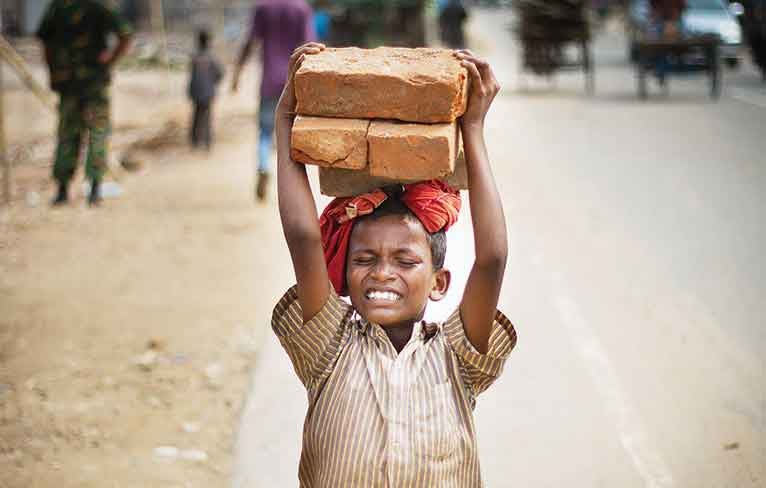
World Day against child labourबाल कामगार विरूद्ध जागतिक दिन

1.बाल कामगार विरूद्ध जागतिक दिन हा आंतराष्ट्रीय दिवस म्हणून दरवर्षी 12 जूनला पूर्ण जागतिक पातळीवर साजरा करण्याचा निर्णय हा आंतराष्ट्रीय कामगार संघटनेने (international labour organization)   घेतला होता.
2.  शिक्षण घेण्याच्या वयात लहान मुलांनी  बालमजुरी करू नये व बालकांच्या  मदतीसाठी काय-काय  करता येईल  यासाठी 12 जून 2000 मध्ये  आंतराष्ट्रीय कामगार संघटनेने या दिवसाची सुरुवात केली होती.
3. या दिवसाचा उद्देश एवढाच की बाल कामगारांच्या दुर्दशावर  प्रकाश टाकणे आणि लहान मुलांनी मजुरी सोडून शिक्षण घेण्यासाठी प्रोत्साहित करणे हा आहे.
4.दरवर्षी १२ जून रोजी बाल कामगारांच्या दुर्दशावर आणि त्यांच्या मदतीसाठी काय करता येईल यावर प्रकाश टाकण्यासाठी सरकार, मालक आणि कामगार संघटना, नागरी संस्था तसेच जगातील लाखो लोकांना एकत्र आणते. हे या दिवसाचे वैशिष्ट्य आहे.
5.2011 च्या जनगणनेच्या आकडेवारीनुसार, भारतात 5 ते 14 वयोगटातील 10.13 दशलक्ष बाल कामगार होते.
6.शाळेत जायच्या वयात मुले कामे करणे,बर्‍याचांना योग्य पोषण आहार मिळत नाही.
7.बालकामगारांचे सर्वात वाईट प्रकार जसे की घातक वातावरणात काम करणे, गुलामगिरी किंवा इतर प्रकारची जबरी कामगार करून घेणे,अंमली पदार्थांची तस्करी करणे आणि लहान मुलींना वेश्याव्यवसाय करण्यास भाग पाडणे आणि तसेच लहान मुलांचा ब्रेन वॉश करून सशस्त्र,दहशतवादी संघटनाच्या  संघर्षात सहभाग करून घेणे  यासारख्या गोष्टी उघडकीस आल्यामुळे या सर्व गोष्टी वर प्रकाश पडण्यासाठी हा दिवस   साजरा करायला सुरुवात केली.

#बालमजूरी हटवा, देश वाचवा.


8..  भारतात  बालमजुरी संबंधी कायदा बाल कामगार सुधारणा (प्रतिबंध व नियमन) अधिनियम,2016  म्हणून ओळखला जातो.
9.हा कायदा मुलांच्या रोजगाराचे नियमन करतो आणि 14 वर्षाखालील मुलांना बाल कलाकार म्हणून काम करण्यास परवानगी देत नाही.
10.या कायद्या नुसार  लहान मुलांना कामास लावणाऱ्या पालकांना किंवा  मालकांनकडून  20,000/-ते 50,000/- दंड वसूल केला जाईल आणि एक वर्षाचा  तुरुंगवास सुद्धा करण्यास येईल.
11.बालमजुरीविरोधात तक्रार करण्यासाठी आपण 1098 हा एक टोल फ्री नंबर वर तक्रार करू शकता.

या दिनानिमित्तने पालकांनी व आई- वडीलानी लहान मुली-मुलांची उत्तम प्रकारे काळजी घेतली पाहिजे
तर कशी काळजी घ्याल जाणून घ्या-
मुलांची खेळणी सॅनिटाईझ करा.
मास्क घालण्यास मदत करा.
मुलांनी पुरेसा वेळ हात धुवावेत यासाठी लहान मुलांना हात धुताना दोनदा ‘हॅपी बर्थडे’ गायला सांगा .

काय करावे-
1. जर लहान मुलांमध्ये  2 ते 3 दिवसापेक्षा जास्त दिवस ताप येत असेल, कमीच होत नसेल जेवढ्या लवकरात लवकर तज्ज्ञ डॉक्टरांची अवश्य मदत किंवा सल्ला घ्यावा.
2.लहान मुलांना खूप आराम करू द्यावा.
3.जास्तीत जास्त लिक्विड पदार्थ  खाऊ घालावेत.
4. कोरोना चाचणी निगेटीव्ह आल्या वरही लहान मुलांचे उपचार सुरू ठेवावेत.
5.पालकांनी लहान मुलांना मास्क घालणे आणि sanitiser वापरणे यास  मदत करावी.
6. Social distancing पाळावे.
7.सतत लहान मुलांचे हाथ sanitiser धुणे.
काय करू नये-
1.लहान बाळांना जास्त गर्दी मध्ये घेऊन जाऊ नये.
2.लहान मुलांची काळजी घ्यावी.
3.लहान मुलांना तोंडाला नाकाला हाथ लावू देऊ नये.
4. बाळाला स्वेटर, चादर, रगमध्ये गुंडाळू नये.
5.नळाखाली थंड पाण्याचे आंघोळ घालू नये
6.पावसाच्या वातावरणात किंवा वाऱ्यामध्ये मुलाला बाहेर फिरू देऊ नये.

लहान मुलांनसाठी पौष्टीक आहार बनवा आणि त्यांना भरावा. पौष्टीक अन्न म्हणजे भाजीपाला, प्रोटिन्स असलेले पदार्थ आणि व्हिटॅमिन c या सारखा पौष्टिक आहार लहान मुलांमध्ये शक्तीशाली  प्रतिकारशक्ती वाढवायला मदत करते.

#Say to no child labour,Say to Yes for education.

सतत खोकला आणि सर्दी येणे.कदाचित लहान मुलांमध्ये सर्दीची लक्षणे हलकी किंवा कळून येत नाहीत.
थकवा आणि चक्कर येणे ,हे लक्षणे लहान मुलांना खूप पिडा वेदना देतात.
पोटदुखी हे लक्षण लहान मुलांमध्ये  होते.
लहान मुलांना श्वास घेण्यास अडथळा येत असेल किंवा लहाल मुलं श्वास घेताना मोठ्याने उसकार टाकत असेल तर लवकरात लवकर डॉक्टरांशी संपर्क साधा आणि योग्य उपचार घ्या. आणि डॉक्टरांशी सल्लामसलत करा.

मुलांच्या मानसिक आरोग्यासाठी पालकांना सल्ला-
1.लहान मुलांशी सवांद साधा.
2. लहान मुलांसोबत वेळ घालावा.
3. त्याचे विचार आपुलकी ने ऐका.
4.त्यांच्या कामाचे कौतुक करा.
5.अभ्यास करण्यासाठी जास्त लहान मुलांना सक्ती करू नका. त्यांना पेलेलं तसे त्यांच्याकडून अभ्यास करून घ्या.
6.मुलांसोबत खेळण्यात वेळ घालावा.
7.लहान मुलांनपुढे शिवीगाळ करू नका.
8.लहान मुलांच्या हातात  स्मार्ट मोबाइल जास्त वेळ देऊ नका.
9.मुलांचे मन प्रसन्न करण्यासाठी संगीत लावा व नृत्ये करा.


#बालमजुरी हटवा, देश वाचवा!
#लहान मुलांच्या हातात पोत नको, लिहिण्याची पाटी हवी.
# अब की बार बालमजुरी पर वार!
#लहान मुलं असतात देशाच्या भवितव्यसाठी योग्य,
त्यांच्या हातातून काम करून घेणं आहे अयोग्य.
## बालमजुरीला  घ्या नकारा, बालशिक्षण ला द्या होकारा.
## child’s education is forever.
##चुमकल्यासाठी बालमजुरी नको, शिक्षणाचा अधिकार हवा.

#Say  to No  Child Labour, Say Leaders
#Say to no child labour,Say to Yes for education.

##Children are the future of our Nation. End child labour.
#Kids deserve happily life living.

Akash Raychand Shinde.

International Ocean day

  1. The United Nations has decided to observe World Oceans Day on 8th June every year as an international day.
  2. On 5 December 2008, the UN General Assembly approved a resolution designating this day.
  3. UNESCO says that this day is celebrated to remind everyone that the oceans are the lungs of our planet. It is also about protecting the ocean from our wrongdoings and creating awareness among all about the importance of the ocean.
  4. The purpose of the day is to inform the people about the impact of human activities on the sea, to develop a worldwide movement of citizens for the sea.
Happy International Ocean day
  1. The theme of this year’s day is The Scenes: Life and Livelihoods. That is life and bread. ”
  2. The most important element we need in our daily life is water, because it is an important part of our earth. It is your responsibility to protect them.
  3. The purpose of this day is to unite the world’s population in one project for the sustainable management of the world’s oceans.
  4. Nowadays the ocean is suffering from man-made destruction.
  5. From industrial waste to the dumping of unwanted waste, its decomposition is destabilizing the earth’s motion with its natural resources which will lead to an end and an unfortunate end.
  6. Therefore, it is more important to save the oceans around the world.
  7. The oceans are a major source of protein for millions of people around the world as they are a major source of biodiversity on Earth and in humans.
  8. The ocean is the key to our country’s economy.
  9. That is why we should accept the main responsibility that the corpses should not throw rubbish or other waste items anywhere while walking on the ocean and beach.

-Akash Raychand Shinde(Writer, Assistant Director & Editor)

(The author is currently doing an internship in a company affiliated with Foxberyy Technology PVT.LTD, Pune Sakal News Newspaper and is working as a content writer in Digithane project of Thane Municipal Corporation and Nashik Municipal Corporation)

Design a site like this with WordPress.com
Get started