Featured

THE STORY ABOUT GANGS OF WASEPURE PART 1 IN PLOT &SUBPLOT FORM

Introduction of Wasseypur and Dhanbad Nasir’s narration describes the history and nature of Wasseypur. During the British Raj, Wasseypur and Dhanbad were located in the Bengal region. After India gained its independence in 1947, they were carved out of Bengal and redistricted into the state of Bihar in 1956. In 2000, Wasseypur and Dhanbad were redistricted for a second time into the newly formed state of Jharkhand where they remain. The village has been historically dominated by the Qureshi Muslims, a sub-caste of animal butchers who are feared by the non-Qureshi Muslims living there and Dhanbad by extension.

PLOT-:

THE PLOT; 1940s In 1941 , Shahid Khan (Jaideep Ahlawat), a Pathan, takes advantage of the mysteriousness of the faceless dacoit Sultana, a Qureshi, by impersonating his identity to rob British ferry trains. The Qureshi clans eventually find out and order the banishment of Shahid Khan and his family from Wasseypur. They settle down in Dhanbad where Shahid begins work as a labourer in a coal mine. He is unable to be at his wife’s side during childbirth, and she dies. The enraged Shahid kills the coal mine’s muscleman who had denied him leave on that day. In 1947, independent India begins to assert its authority over itself. The British coal mines are sold to Indian industrialists and Ramadhir Singh (Tigmanshu Dhulia) receives a few coal mines in the Dhanbad region. He hires Shahid Khan as the new muscleman of one of the coal mines. Shahid terrorises the local population to seize their lands and extract compliance.

Sardar marries Nagma Khatoon (Richa Chadda). The pregnant Khatoon confronts Sardar Khan and a prostitute inside a brothel and chases him away. Later, Nagma gives birth to Danish Khan but gets pregnant immediately afterwards. Unable to have sex with a pregnant Nagma, Sardar confesses his sexual frustrations with his kin. At dinner, Nagma gives her consent to Sardar to sleep with other women but with the condition that he won’t bring them home or dishonour the family name.

Sardar, Asgar and Nasir start working for J.P. Singh (Satya Anand), Ramadhir Singh’s son. They misuse their employment by secretly selling the company petrol in the black market. Later, they rob a petrol pump and a train bogey belonging to the Singh family. They usurp Singh’s land, which forces the two families to confront each other for talks. The meeting ends in a scuffle, but Ramadhir Singh realizes that Sardar Khan is in fact the son of Shahid Khan who he had murdered in the late 1940s. Sardar and Asgar are jailed for assaulting J.P. Singh during the meeting.

Early 1980s In 1979 , Sardar and Asgar escape from jail. While hiding in Wasseypur, Sardar marries a Bengali Hindu woman named Durga (Reema Sen). Asgar informs Nagma that Sardar has taken a second wife, leaving Nagma helpless. Meanwhile, Wasseypur has merged with Dhanbad and the Qureshi clan continues to terrorise the non-Qureshi Muslims. The locals then approach Sardar Khan for help as he was well known for standing up to Ramadhir Singh. During Muharram, both Shias and Sunnis are out mourning, including the Qureshi clan. Sardar uses the opportunity to launch a major bomb attack on many Qureshi shops and houses. When word spreads about Sardar’s raids, his reputation grows and he commands more fear than the Qureshi clan.

Eventually, Sardar returns home to Nagma and she gets pregnant again. Sardar tries to initiate sex with a pregnant Nagma but she refuses, which prompts an angry Sardar to leave. He goes to stay with his second wife, Durga, and she gives birth to his son, Definite. Ramadhir Singh, noticing that Sardar has abandoned his first family, tries to reach out to Nagma through Danish by giving him money. An enraged Nagma beats Danish for taking the money while she breaks down in front of Nasir. A thirsty Faizal wakes up in the middle of the night to find Nagma and Nasir about to have sex. Angry, he storms out of the house and becomes a stoner, permanently seen with his chillum. Nasir reveals that the desires were never consummated, but Faizal and Nasir never see eye to eye again.

Mid and Late 1980s Sensing Sardar’s increasing clout, Ramadhir calls his old associate Ehsaan Qureshi who brokers a meeting between Sultan Qureshi(Pankaj Tripathi), his nephew and Ramadhir Singh where the two decide to become allies against their common enemy, Sardar. Sultan asks Ramadhir for modern automatic weapons which the latter promises to give.

1990s Sardar becomes the most feared man in Wasseypur and shifts his business to stealing iron ore. Danish Khan (Vineet Kumar Singh) joins the family business. A failed attack from Sultan Qureshi leaves Danish with a minor injury and causes reconciliation between Sardar and Nagma. Sardar finds Ramadhir and warns him of terrible consequences if anything ever happens to his family.

A mature Faizal (Nawazuddin Siddiqui) is seriously affected by Bollywood movies as he starts behaving, talking and dressing like Bollywood characters. Sardar sends Faizal to Varanasi to buy guns, but Faizal is caught by the police and jailed. Upon release, he kills the gun seller Yadav, who unbeknownst to Faizal was the nameless assassin who had killed Shahid Khan (Faizal’s grandfather) and who had implicated Faizal to police earlier. Meanwhile, Sardar seizes a lake belonging to a local temple and charges commission on fish sellers who make a catch in that lake. An uneasy peace is maintained between the Qureshi and Khan families when Danish Khan marries Shama Parveen, the sister of Sultan Qureshi. At the same time, Faizal begins romancing Mohsina Hamid (Huma Qureshi), another kin of Sultan.

SUBPLOT-:

THE SUBPLOT: On a rainy day, Ramadhir Singh overhears Shahid’s ambitions of taking over the coal mines from him. Singh tricks Shahid into traveling to Varanasi for business but instead has him murdered by an assassin named Yadav Ji (Harish Khanna). Nasir (Piyush Mishra), Shahid’s cousin, finds Ramadhir’s umbrella with his initials near the door and concludes that Ramadhir eavesdropped on their conversation. He flees from the house with Shahid’s son Sardar in the nick of time as Ehsaan Qureshi (Vipin Sharma), another associate of Ramadhir Singh and a member of the Wasseypur Qureshi clan, shows up to kill them but is too late. An unsuccessful Ehsaan lies to Singh that Shahid’s family has been murdered, burnt, and buried. Under the care of Nasir, Sardar grows up along with Nasir’s nephew Asgar (Jameel Khan). Sardar learns the truth about his father’s death, upon which he shaves his head and vows not to grow his hair until he has avenged his father’s murder.

Mid and Late 1980s Sensing Sardar’s increasing clout, Ramadhir calls his old associate Ehsaan Qureshi who brokers a meeting between Sultan Qureshi(Pankaj Tripathi), his nephew and Ramadhir Singh where the two decide to become allies against their common enemy, Sardar. Sultan asks Ramadhir for modern automatic weapons which the latter promises to give.

Epilogue Faizal reveals to his friend, Faizlu that his father Sardar would be travelling without security the next day. Unbeknownst to Faizal, Faizlu is actually an ally of Sultan. Late that night, while Faizal is still asleep, Faizlu calls up the Qureshis and tells them that Sardar’s bodyguards wouldn’t be with him the next day. The next morning, Sardar leaves home alone and reaches Durga’s house where he gives her her expense allowance. Once Sardar leaves, Durga also calls up the Qureshis and tells them that he has just left her house. The Qureshi men follow Sardar’s car, and when the latter stops at a petrol pump to refuel they start shooting as Sardar ducks in the car for cover. The Qureshi men put several close rounds through the car window ensuring a precise and unmistakable hit, after which they escape. A shocked Sardar opens the car door and stands up to reveal multiple bullet wounds, with one bullet embedded in his head. He steps out with his gun drawn to stop a cycle ferry on which he eventually collapses to his death.https://akashshinde.art.blog/2020/06/02/why-important-of-set-goals/

Featured

MY INSPIRED WORK DURING COVID-19 PANDEMIC

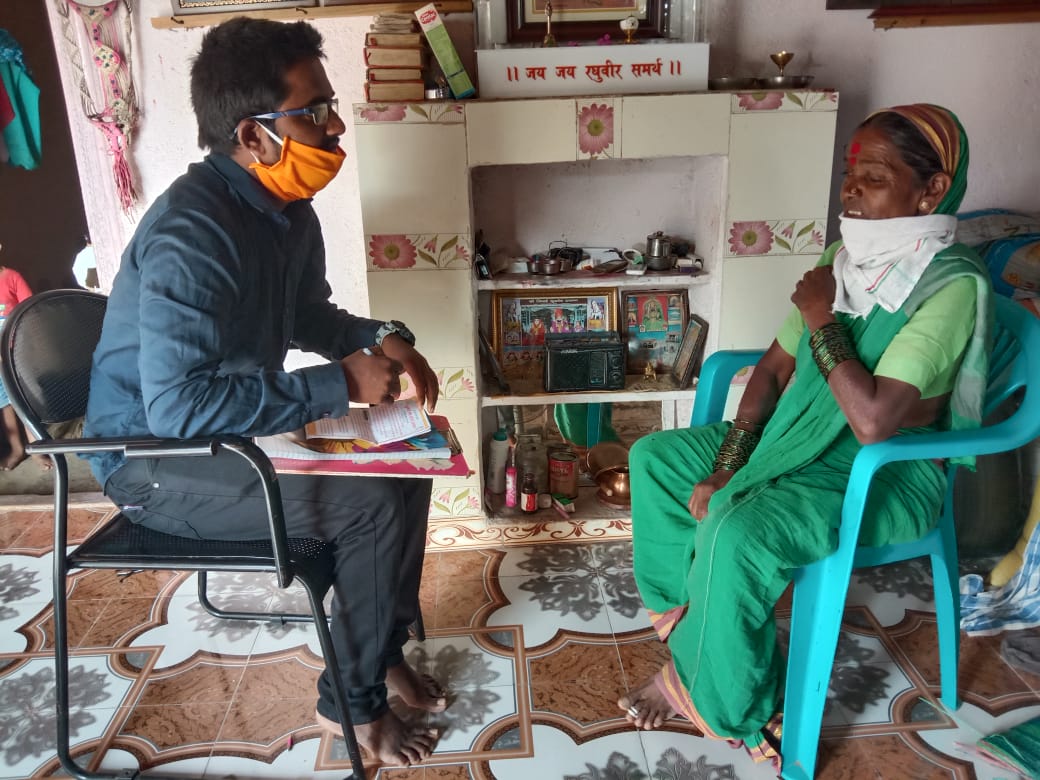
As covid 19 has caused fear and panic in the minds of people worldwide, I prefer to stay back at home past 3 months for safety of myself and my family. I had faced a lot of problems when doing college lectures online, interacting with friends and teachers, also covid 19 run havoc inside my mind. I was became very sensitive. But I would like to mention that the lessons I had learned in my upbringing has solutions to all problems I had faced. My guru has always said that you have to sacrifice something to achieve greater goodness. Even though I had a problem with the internet I had wandered on empty lands, even climbed the trees to fetch the internet connectivity. Finally, the month of June father said, “Let’s go to the market in near town, Mhaswad.”  I quickly replied to that, what,s the point in going to the town when corona has run havoc in the whole country.  In reply to it my father angrily said, “what we should suppose to eat then”. Although his point of view was right and eventually we went to the town market for grocery shopping.While returning to home, I saw the building of Mandeshi Mahila Bank and Mandeshi Radio Center and immediately thought arose what if I join the internship program with Mandeshi Tarang Vahini until my college starts. It will build a different experience and will help to have interaction with the peoples working in the radio industry. That thought give array of hope and I quickly went into the office. I saw Mr. Sachin Menkudale, Assistant Director of Mandeshi radio station, seating in his chair talking with someone on call. He asked me to seat and wait outside the cabin. After 10 min he asked me to come inside cabin and asked whether you want internship in the radio station. I replied, yes sir I want to join until my college starts. He asked me about my experience and the department in which I would love to work. I paused for a little, I became anxious and was no idea what to say. I gently replied in a hope, “I am student of Mass Media and recently completed 1st year of college. I have also worked for a month in Muktagiri news channel”. After lots of if’s and but’s he finally offered to give internship on condition that I need to do field work for Week. I instantly replied, “Yes”. He was impressed to see prompt replied in this testing time to do the field work and he offered me an internship saying we will decide about the payment after some days based on your work and you can join from tomorrow. I was very glad returning to my home and thanked father for convince me to come with him.Next day I reached to radio station early in the morning. For the two days there was induction program where I have learnt everything about the program conducted through radio station, met colleagues. From third day I started to do the field work. I have visited 7 different villages and accumulated feedback from the listeners of radio. The feedback was taken from variety of listeners based on age, gender and professions. During this I realize that elderly peoples and woman’s in the villages are not able to get proper information on precautions to take for corona. When I went back to radio station I had discussion with the Mr. Sachin Menkudale, he was impressed and starts new program for this vulnerable peoples. 

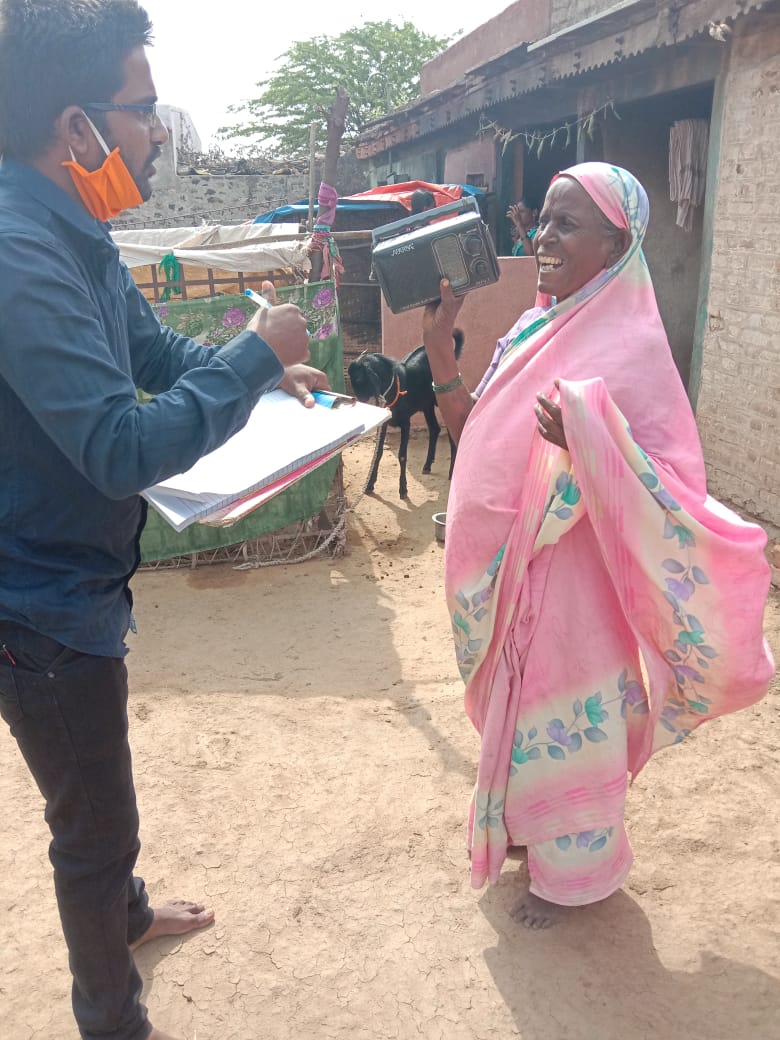
TOOK FEEDBACK OF RADIO LISTENAR IN VILLAGE AREA AND RURAL AREA
Illiterate OLD RADIO LISNER.

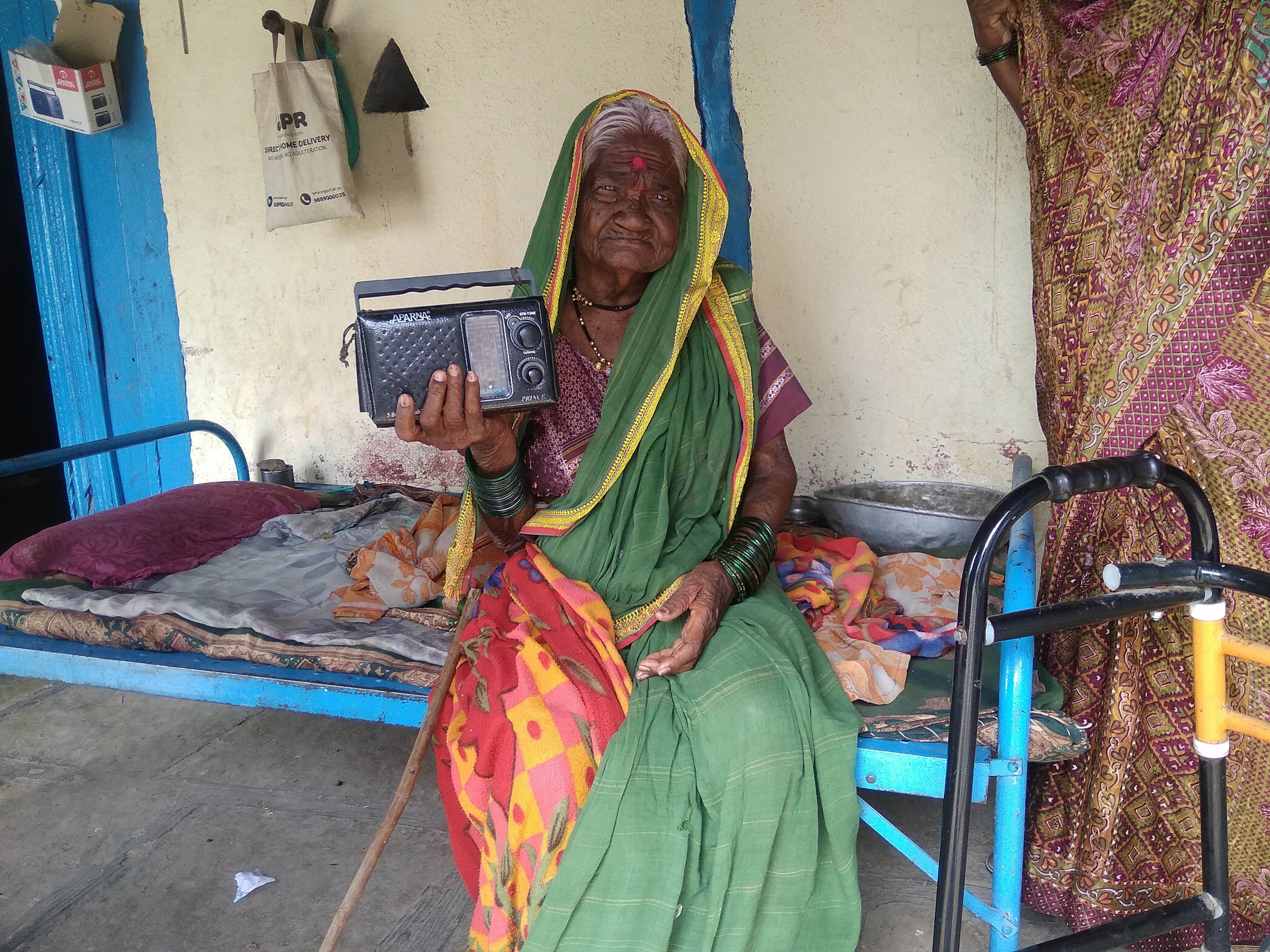
I also observed when I interviewed school students that due to poor internet connectivity and for some financial problems they aren’t getting basic education as schools are shut down due to corona pandemic. I quickly raise this issue with Mrs. Chetna Sinha and she started a new program “My School” under which a teachers for each subject conducts an online radio lecture for children’s.Later along with colleague’s we had created an audio radio documentary on Blind elder woman. Woman was residing at Mhasalvadi village in Man Tehsil. Mandeshi tarang vahini had given a radio to her for listening songs and various programs. Documentary was based on the changes happened in her life through Radio. I was truly a learning curve of my life. I was understood the importance and role radio plays in someone’s life. During those days I have interacted with lot of legendary peoples from radio through “Zoom meetings”, worked on a lot of new projects. This had given me immense confidence as person that yes I can do lot of new stuffs even I don’t have experience. 

BLIND WOMEN RADIO LISTENER
90 YEAR OLD WOMEN LISEN RADIO AND GAIN STAYED UPDATED AROUND US

Now I am working as R.J. in Mandeshi Tarang Vahini. I do read news headlines, inspirational stories daily for listeners. I proudly say that listeners often share word of praise on me. In my college, students were seen laughing on me and judging me over my appearance and language. Today I feel very proud on myself that I was a step ahead of them. I also write blogs. Please do read and share with your friends. I heartily thank to all who have supported me in this journey. I need your blessings as its very long way forward. I am very grateful for Mandeshi Tarang Vahini, especially Mr. Sachin Menkudale for trusting me and giving me such opportunity. Lastly to my parents for supporting me in this testing times.Thank you to all…https://akashshinde.art.blog/2020/08/10/how-to-recognize-true-buddy/..!-Blogger Akash Raychand Shinde.

Featured

HOW TO RECOGNIZE TRUE BUDDY?

First of all, I would like to extend my heartfelt congratulations to all on the occasion of Friendship Day.  When we are born into this world, our relationships with everyone are already matched.  As he is my mama, she is my aunt, he is my cousin, he is my parents, but a close relationship is friendship. As we get older, so does our friendship  We choose relationships on our own. Friendship is about maintaining a relationship, but sometimes it becomes difficult.  In my opinion, friendship means that it is very important to have faith in any friend of yours. It is very wrong for your friend to be trying to express his feelings to you and for you to be skeptical and suspicious of his words.  He is the onehttps://akashshinde.art.blog/2020/08/09/if-you-have-guts-then-you-can-do-it-just-do-it-2/ who always shows his friend the right path, if your friend is on the wrong path, to guide him in time and leave him on a good path.  These are the qualities of a true friend. The most important thing is to help your friend in times of crisis.  For whatever reason, the Abola Dam is very wrong with your friend.  If your friend calls you for help, you will have to go for help in any situation. And the friend who does this is the true friend. We have all heard from childhood that a good friend can change your life.  It is really difficult to find a good friend at this time.  In my opinion, we are your true and best friend.

No man can be happy without his true friend, whether he is a child or a youth, a king or a great official, a hermit or a monk, a poet or a warrior.  Life cannot go on without being a friend.https://voiceofmigrantworker.blogspot.com/2020/07/the-countrys-new-national-education.html Who is a true friend who will oppose your friend to do something wrong.  If your friend is deliberately misbehaving, it is your duty to stop him.   Blogger-Akash Raychand Shinde.

Featured

INDIA AND CHAINA BORDER CONFLICT

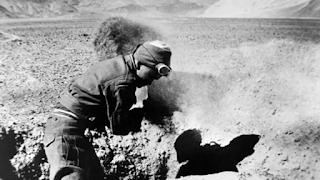
  • India and China border conflict .I’m talking about the focus point on India& china border conflict now attention have been building along India disputed border with china number of skirmishes between opposition troops have take place over the last month now report of an increase troops number on both fear of a bigger confrontation between the nuclear -armed neighbors India& chinese military commander holding talks to day try to defuse the situation more on that first this report India and China came to blows in first place.
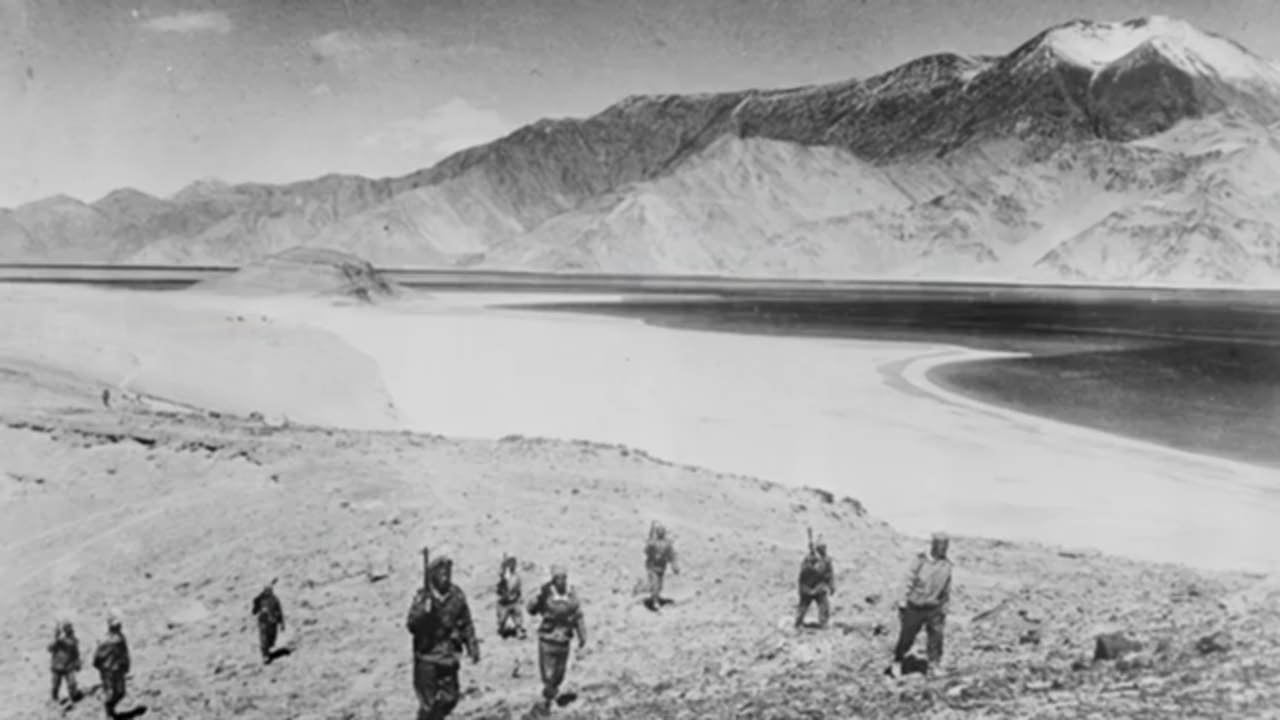
  • It is located high in Himalayan mountains the Indian regions of ladakh is known for it’s naturally beauty but in may it was also the site of tension scuffing broke out between Indian & Chinese troops.
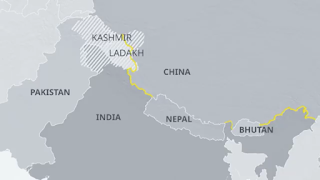
  • The region lies close to one of the most hotly contest border in the world between India and China the yellow line on this map marks the boundary between two country it’s known as the line of actually control not hand frontier as china & india never agreed on where their official border should be lie in 1962 the two Nation fought a war over the issue but falled to resolve the problem in the decade since that conflict there have been several standoffs between chinese and indian troops patrolling the arid one of most longest most serious wad in 2017 in the summer of that year the two sides confronted each other for 73 days after indian troops blocked construction of road by china.
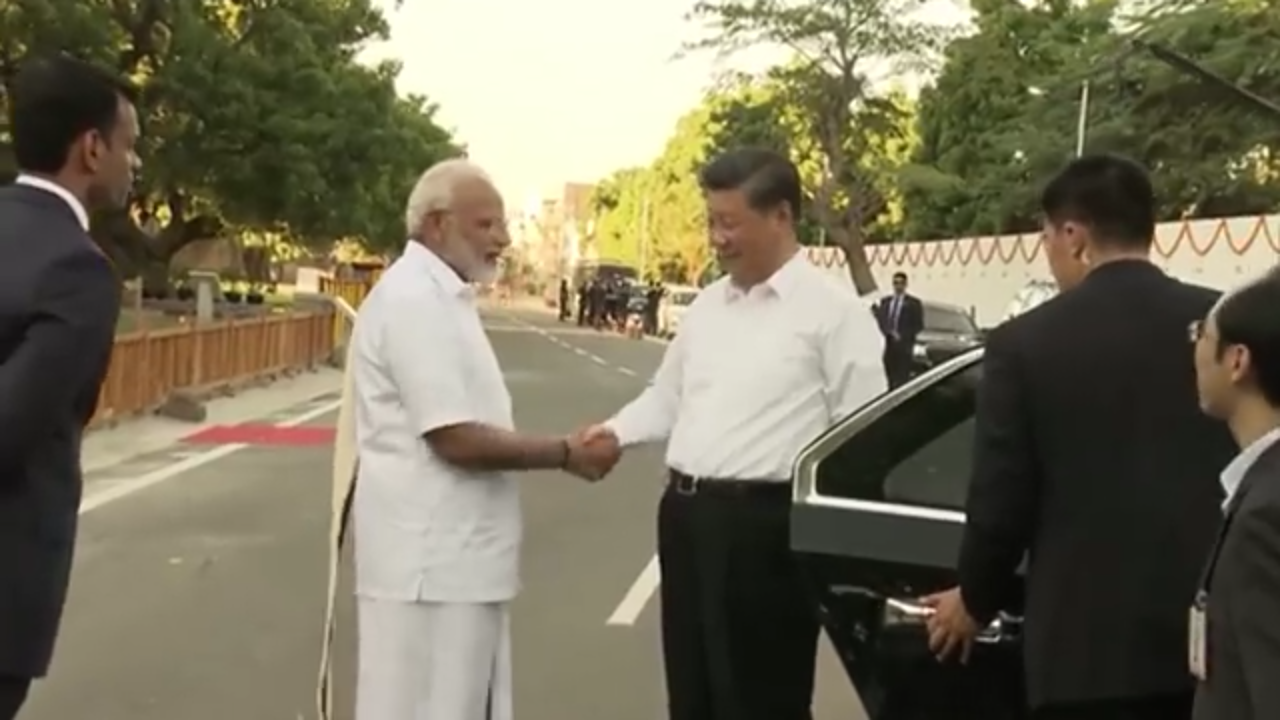
INDIAN PRIME MINISTER NARENDRA MODIJI AND CHAINA LEADER.
  • .. They were promised to maintain the peace and discipline but they made no progression setting issue of who own &land in the the border area nevertheless they put mechanicsm in place to prevent lethal flare up between Australian security analysis suggestions both side art building up their military presence in area and this is causing concern that anther more serious confrontation could be looming.hence the let’s see what happens in ahead between India and China disputed border conflict. https://akashshinde.art.blog/2020/08/10/how-to-recognize-true-buddy/ Writer and blogger-Akash Raychand Shinde.Department of Journalism&Mass communication.

History of cinema-1

History Of Cinema-
फिल्म निर्माण का केंद्र-
मुंबई, चेन्नई, कोलकता, बंगलोर, कोची, हैदराबाद.

जगात पहिल्यांदा पॅरिस मध्ये Lumiere Brother ने 1895 साली फिल्म च स्क्रीनींग केलं.
Arrival of train at station
भारतामध्ये 1896 मध्ये बॉम्बे वेस्टर्न हॉटेल मध्ये Lumiere Brother पहिली फिल्मचं प्रदर्शन केलं.

1897 मध्ये कलकत्ता मध्ये star stage show दाखवला.
नंतर 1898 मध्ये हिरालाल सेन या फोटोग्राफर ने त्या show ची फिल्म बनवली.
हिरालाल सेन ने Royal Bioscope कंपनी ची स्थापना केली. आणि 1913 पर्यत 42 short फिल्म बनवल्या.

1899 मध्ये Hanging Garden मध्ये कुस्ती हा खेळ दाखवून save दादा ने First Documentary film in India the wrestler..बनवली.

03 में 1913 मध्ये दादा साहेब फाळके यांनी पहिली भारतामधील full length Silent feature film बनवली.
तीच नाव होतं-राजा हरिश्चंद्र .
Father of Indian cinema- Dadasaheb falake यांना  संबोधले जाते.
1913 ते 1918 पर्यत एकूण 23 फिल्म Released केल्या.

1916 मध्ये R. नटराजन or नटराजा rangaswamy Muldaliar  यांनी  ‘keechaka वधम’ First silent film in Tamil मध्ये पहिली फिल्म बनली.
1917 मध्ये राजा हरिशश्चंद्र फिल्म च remake satyawadi  सत्यवादी राजा हरिशश्चंद्र  बनवला.

दादासाहेब फाळके निर्मित मोहिनी भस्मासूर फिल्म मध्ये दुर्गा बाई कामत ही she is First female actress of India.

पहिली  Bengoli full length silent feature  film 1919 मध्ये Billwamangala {बिल्लोमंगला}
1 तिकिट ची किमंत =1 आणा म्हणजे  1 रुपयांचा 16 वा हिस्सा.
1920 पर्यत भारतात वर्षांत 27 फिल्म बनल्या.
तसेच 1931 पर्यत वर्षात 207 फिल्म बनायला लागल्या.
त्या 10 वर्षात Mythological film (पुराणिक कथा)बनत होत्या.
20th दशकातले  फिल्म Director-
1.दादासाहेब फाळके
2.बाबुराव पेंटर
3.काझीभाई राठोड
4.धिरेंद्रनाथ गांगुली
5.होमी मास्टर
6.चंदूलाल शाह
7.नानुभाई वकील
8.Frenz osten
9.फातिमा बेगम
फातिमा बेगम is first female film Director असे संबोधले जाते.

14 मार्च 1931 मध्ये अर्देशिर इराणी दिग्दर्शन केलेली First Talkie and Sound Film ‘Alam Ara’  प्रदर्शित झाली.
जगात first Sound फिल्म AL- Jolson-the jazz Singer बनली होती.

इराणी निर्मित HM रेड्डी ने दिग्दर्शन केलेली पहिली South Indian Talkie  film(tamil+telagu )कालिदास बनवली होती.
पहिली bengoli talkiy फिल्म जुमये शास्त्री बनली होती.

1933 मध्ये  ईस्ट इंडिया कंपनी ने पहिली तेलगू फिल्म सावित्री बनवली.
सावित्री ला #venice Film festival मध्ये सन्मानित केल.

10 मार्च 1935 मध्ये ज्योती प्रकाश अग्रवाल ने आपली पहिली फिल्म जयमोती बनवली…आसमिस
1936 मध्ये निजामारुती सुर्या याने पहिली South India studio ची स्थापना केली.
30th दशकात फिल्म मध्ये संगीत आणि नृत्य नाचणे शी सुरुवात झाली.

1935 मध्ये फिल्म देवदास P. C BARUA  या दिग्दर्शक ने
केलेली चांगलीच चर्चेत होती.

भारतामधील पहिली Colour फिल्म रंगीत फिल्म किसन कन्हैया  त्याचे दिग्दर्शक मोती B यांनी 1937 मध्ये बनवली.

1936 मध्ये संत तुकाराम ही फिल्म दिग्दर्शक विष्णुपंत दामले आणि शेख फत्तेलाल यांनी केले. ही फिल्म # Venice Film Festival मध्ये दाखवली गेली.

1940 ते 1960  या काळाला  The Golden Age of Indian Cinema म्हटलं जातं।.
तसेच Birth of New Realistic Cinema पण म्हणतात.
या काळात Concept based on अमीर गरीब भेदभाव, Caste system , Dowry System, गरिबी, दारिद्र्य, बेरोजगारी, आम-आदमी मुद्दा वर फिल्म बनत होत्या.

1940th ते 1960th दशकातील दिग्दर्शक
1. सत्यजित रे
2.व्ही. शांताराम
3.बिमल रॉय
4.मेहबूब खान
5.राज कपूर
6.गुरू दत्त
7.मनी कौल
8.मृणल सेन
9.रित्विक घाटक
10.बासू भट्टाचार्य
11.बासू चटर्जी
12.अदूर गोपालकृष्णन
13.कुमार सहानी
14.बलदेव राज चोप्रा
15.K. असिफ
This is very known film director this time.

फिल्म अच्युत कन्या याचे दिग्दर्शक frenz osten यांनी केले.
1936 मध्ये ही फिल्म प्रदर्शित झाली. फिल्म based on Caste System.

Film- अमरज्योति
Released-1936
Director- व्ही .शांताराम /प्रभात फिल्म कंपनी निर्मित.
Based on  women अत्याचार.

फिल्म- दुनिया ना माने
Released-1937
Director- V. Shantaram
कमी वयाच्या मुलीला ज्यादा वय असणाऱ्या पुरुष सोबत लग्न करावं लागतं. अन खूप अत्याचार ला सोमोरे जावं लागत.

दादासाहेब फाळके यांची शेवटी ची फिल्म and पहिली talki or Sound Film  Gangavatarana 1937 मध्ये प्रदर्शित झाली.

फिल्म- रोटी
Director- मेहबूब खान
Year- 1942
Based on Indian Society descrimation  Issue.

16 Feb 1944 ला नाशिक मध्ये दादासाहेब फाळके याचे निधन झाले.

फिल्म- नीचा नगर
Director- चेतन आनंद
Year- 1946
कांस फिल्म फेस्टिव्हल मध्ये बेस्ट फिल्म अवॉर्ड मिळाला.

1949 च्या फिल्म-
The First Horror Film in India is महल ही होती.
Director- कमल आरोही.
Year- 1949
अशोक कुमार हे स्टार कास्ट होते.

The Film- अंदाज आणि बरसात
Director- राज कपूर
Year-  1949

The फिल्म- आवारा
डिरेक्टर-राज कपूर
Year- 1951

1952  च्या फिल्म
फिल्म- आण
डिरेक्टर-मेहबूब खाण
Year-   1952 दिलीप कुमार कास्ट.
फिल्म – बैजू बावरा
डिरेक्टर-विजय भट
Year-1952

Year- 1953 च्या फिल्म-
फिल्म-दो भिगा जमीन
डिरेक्टर-बिमल रॉय
Year-1953
The Film inspired by Bicycle theefs
कांस फिल्म फेस्टिव्हल मध्ये पुरस्कार मिळाला होता.
First Filmfare of India मिळालं होता.

फिल्म- बूट पॉलिश
डिरेक्टर-प्रकाश आरोरा
Year-1953

Year- 1954 च्या फिल्म-
फिल्म-आर-पार
डिरेक्टर- गुरू दत्त
Year- 1954

फिल्म- taxi Driver
डिरेक्टर-चेतन आनंद
Year-1954

फिल्म-अमर
डायरेक्टर- मेहबूब खाण
Year-1954

फिल्म- जागरीती
डायरेक्टर- सत्येन बोस
Year- 1954

फिल्म- मिर्जा गालिब
Director- सोहरब मोदी
Year- 10 dec 1954

1955 च्या फिल्म
फिल्म- श्री 420
डिरेक्टर- राज कपूर
Year-1955
फिल्म- देवदास
डिरेक्टर- बिमल रॉय
Year- 1955 दिलीप कुमार स्टार कास्ट ,सुचित्रा सेन

फिल्म- Mr.and MRS.55
Director- Guru datt
Year- 1955

Film- Pather Panchali
Director- Satyajit Ray
Year- 1955
West Bengal Goverment ने best Feature film म्हणून अवॉर्ड दिला.
1998 मध्ये British Academy of film and Television art ने बेस्ट फिल्म अवॉर्ड दिला.

फिल्म-मिसंम्मा
डिरेक्टर- L.V Prasad
Year- 1955 South Industry Film …

1956 च्या फिल्म
Film- जागते रहो
डिरेक्टर-अमित maitra and सोम्भू maitra
Year- 1956

फिल्म- CID
डिरेक्टर- राज खोसला
Year-” 1956 देवानंद स्टार कास्ट.

फिल्म- चोरी- चोरी
डिरेक्टर- अनंत ठाकूर
राज कपूर स्टार कास्ट
Year- 1956

फिल्म- अपराजीतो
डिरेक्टर- सत्यजित रे
Year- 1956

1957 च्या फिल्म-
फिल्म-मदर इंडिया
डिरेक्टर- मेहबूब खाण
Year- 1957
First Film Oscar Nominated.

Film- प्यासा
डिरेक्टर- गुरू दत्त
Year-1957

फिल्म- नौ दो ग्याराह
डिरेक्टर- विजय आनंद and बीरेन नाग
Year- 1957

फिल्म- Paying Guest
Director- Subodh Mukharji
Year- 1957

Film- नया दौर
डिरेक्टर- बलदेव राज चोप्रा B.R. Chopra
Year- 15aug 1957

फिल्म-  दो आंखे बारह हाथ
डिरेक्टर-  V. शांताराम
Year- 1957
National award winner best film
Film- मायाबाझर
Director- kadiri Venkta reddy / K.V
Year- 27 march 1957.

1958च्या फिल्म
Film- मधुमती
डिरेक्टर- बिमल रॉय
Year- 12 sept 1958
फिल्म-काळा पाणी
डिरेक्टर- राज खोसला
YEAR-1958

फिल्म- amardeep
Director- T.Prakshrao
Year- 1958
Film- Dilli ka thug
Director- S.D NARANG
YEAR- 1958

FILM- चलती का नाम गाडी
Director- Satyen Bose
Year- 1958
Starcast- Kishor Kumar
Film- जल सागर आणि पारस पत्थर
Director- Satyajeet Ray
Year- 1958

Film- Ajantrik
Director- Ritwik khatak
Year- 23 में 1958

फिल्म- 1959 च्या फिल्म
फिल्म- अनारी
डिरेक्टर- hrisikesh मुखर्जी
YEAR- 1959

फिल्म- अपूर संसार
डिरेक्टर- सत्यजित रे
YEAR- 1959

फिल्म- नवरंग
डिरेक्टर- V. शांताराम
Year- 18 sept 1959

फिल्म- चिराग कहा रोशनी कहान
डिरेक्टर-  देवेंद्र गोयल
18 Sept 1959

Film- पैगाम
Director- S.S.वसन
Year- 30 oct 1959

Film – दिल देखे देखो
डिरेक्टर-नासिर हुसेन
Year- 2 oct 1959
शमी कपूर

Film- धुल का फुल
Director- yash Chopra first film
Year-4 Dec 1959
Film –  कागज के  फुल
Director- guru Datta
1960 च्या फिल्म-
Film-मुगले -E-Azam
Director- K. Asif
Year- 1960 Dilip kumar , madhubala, prithviraj .

Film-  चौदवी का चांद
डिरेक्टर- गुरू दत्त
Year-1960
फिल्म- देवी
डिरेक्टर- सत्यजित रे
1960

फिल्म- mekhe dhaka tara
Director- Ritwik Ghatak
Year- 1960.

Film- काळा बझार
Director- Vijay Anand
Year- 09 Sept 1960.

Film- बेवकुफ
Director- I.S.JOHAR
YEAR-1960
FILM- कोहिनूर
डिरेक्टर- S.U SUNNY
YEAR- 4 NOV 1960.

FILM-बरसात की रात
डिरेक्टर- P.L. SANTOSHI.
YEAR-1960

1961 च्या फिल्म-
फिल्म- जंगली
डिरेक्टर- सुबोध मुखर्जी
Year- 1961
Film- Ganga jamuna
Director- Nitin Bose, dilip Kumar
Year- 1 Jan 1961

Film- Sasural
Director-  T.Prakash rao
Year- 1961

Film-aas ka pankshi
Director- Mohan Kumar
Year- 1961

Film- Kabuliwala
Director- Hemen Gupta
Year- 14 Dec 1961
Film- छाया
Director- Hrishikesh Mukherjee
Year- 1961

Film- झुमरू
डिरेक्टर- शंकर मुखर्जी
Year- 1961

1962 च्या फिल्म-
फिल्म- दिल तेरा दिवणा
डिरेक्टर- B.R. PANTHULU
YEAR- 1962
FILM- बीस साल बाद
Director- Biren Naug
YEAR- 1962.
Film-  एक मुसाफिर एक हसीना
डिरेक्टर- राज खोसला
YEAR- 1962
फिल्म- प्रोफेसर
लेख टंडन
11 में YEAR- 1962
फिल्म- हरियाली और रस्ता
विजय भट्ट
YEAR- 1962
फिल्म – असली और नकली
Hrishikesh Mukharji
YEAR- 1962
Film- अनपढ
मोहन कुमार
YEAR- 1962

1963 च्या फिल्म-
फिल्म- मेरे मेहबूब
डिरेक्टर- H.S.Rawail
YEAR-1963
Film- गुमराह
Director- B.R. CHOPRA
YEAR-1963 SUNIL DATT STAR CASTING
FILM- Bluff Master
Director- Manmohan Desai
YEAR-1963
Film-  Taj Mahal.
Director- M.Sadiq.
YEAR-1963.

Film- Shikari
Director- Mohammad Hussen
YEAR-1963.

Film-  Gehara Daag
Director- O.P Ralhan
YEAR-1963.

1964 च्या फिल्म-
Film- संगम after 9 years
Raj kapoor
Year- 1964

Film-आयी मिलन की बेला
मोहन कुमार
1 जानेवारी 1964

फिल्म- दोस्ती
सत्येन बोस
6 नोव्हेंबर 1964
फिल्म-  राज कुमार
K. Shankar
1964

Film-  Ziddi
Director- Pramod Chakravarty
1964

Film- काश्मीर की कली
डिरेक्टर- शक्ती Samantha
20 नोव्हेंबर 1964
फिल्म-  हकीकत
चेतन आनंद
1964
फिल्म- जिंगदी
डिरेक्टर- रामानंद सागर
1964

1965 च्या फिल्म-
फिल्म-  Guide
विजय आनंद
1965

फिल्म- जानवर 
डिरेक्टर- बप्पी सोनी
1965
फिल्म – वक्त
यश चोप्रा
1965

फिल्म-गुमनाम
सुरज प्रकाश
1965

फिल्म- ऊंचे लोग
डिरेक्टर- मजुमदाव
1965

1966 च्या फिल्म-
फिल्म- फुल और पत्थर
O.P Ralhan
1966 धर्मेंद्र

Film- तिसरी मंजिल
विजय आनंद
1966
फिल्म- सुरज
T. प्रकाश राव
1966

फिल्म- मेरा साया
राज खोसला
1966

फिल्म- Love इन टोकियो
प्रमोद चक्रवर्ती
1966

फिल्म- दो बदन
राज खोसला
1966

फिल्म- आये दिन बहार के
रघुनाथ झालानी
1966

फिल्म- बिवी और मकान
Hrishikesh Mukharji
1966.
 
1967 च्या फिल्म
फिल्म- उपकार
डिरेक्टर- मनोज कुमार
1967

फिल्म- राम- श्याम
डिरेक्टर- Tapi chanakya
1967
Film-  Farj and hamraj
Director-  Baldev raj chopra
1967

Film- शार्गिद
समीर गांगुली
1967

फिल्म- Jewal थिफ
विजय आनंद
1967
फिल्म- मिलन
Adurthi Subbarao
1967
Film-  An Evening in पॅरिस
शक्ती सामंथा
1967

फिल्म- पत्थर के सनम
राजा nawate
1967

1968  च्या फिल्म-
फिल्म- आंखे
डिरेक्टर- रामानंद सागर
1968- धमेद्र

फिल्म- पडोसन
डिरेक्टर- ज्योती सरूप
1968 सुनील दत्त

फिल्म- निल कमल
राम माहेश्वरी
1968
फिल्म – दो कन्या
R. कृष्णन
1968

फिल्म- कन्यादान
मोहन सेगल
1968
फिल्म- शिकार
आत्मा राम
1968

फिल्म- ब्रह्मचारी
भप्पी sonie
1968

फिल्म- आदमी
A. Bhimsingh
1968

Film- Duniya
T. Prakash rao
28 Dec 1968

Film- हसीना मान जायेगी
Director – Prakash mehra
1968

What is Frolic and Escapism?
Frolic- to behave in a playful way
मज्जा एन्जॉय like meaning.
Escapism- An Activity a form of Entertainment
Avoide Boring thing and forgot Unpleasant.

Top Animated Director and his Animation Film

Top Animated Director and his Animation Film
Ram Mohan-Father of Animation movie
1.Ramayana : legend of prince Rama
Kireet Khurana Director
1. Toonpoor Ka super Hero
2. Saeed mirja
Rajiv Chilaka-Director
1. Chota bheem
Ishu Patel-Director
1.Divine flute
2.Bread Game
3.after life

Bhim Sain-Director
1.Ek anek aur ekata

Charuvi Agrawal-Director
The Legend Hanuman

Manick Sorcar-Director
1.Deepa & Rupa: A Fairy Tale from India
2.The Sage and the Mouse
Dhvani Desai-Director
1.Manpasand
2.Chakravyuh

Binu Sasidharan-Director
1.Once Upon a Time (2013)
2.CID Moosa 007.
3.Kuttichathan.
Shubhavi Arya-Director
1.Adventures of Malia at age of 16 years

Dhimant Vyas-Director
1.Shaun the sheep movies
Gitanjali Rao-Director
1.Bombay Rose
2.Printed Rainbow
3.True Love Story
Suresh Eriyat-Director
1.Tokri
2.Fisherwoman and Tuk Tuk

Chetan Desai- Director
1.Ramayana the epic

Soumitra Ranade-Director
1.Jajantaram Mamantaram

Sukankan Roy-
Sound of Joy
Abhishek Verma-Director
Yugo Sako-Director
1.Ramayana: The Legend of Prince Rama
Sharad Devarajan-
1.The Legend of Hanuman
2.Chakra the Invincible
3.Baahubali: The Lost Legends
4.Astra Force

24 Dec GK of Art and Culture


1.Gamaka exponent and Padma Shri awardee, H.R Keshava Murthy passes away.
• He was an Indian gamaka exponent and guru from Karnataka
• He was honoured with:
• Shantala Natya Sri Award by the Government of Karnataka in 1998 and
• Padma Shri in 2022 by the Government of India in the field of arts
• Gamaka – connector between 2 notes – bring curves and ornamentation.
2.Sahitya Akademi Awards 2022 announced.
• The Sahitya Akademi Award prizes to the most outstanding books of literary merit.
• For English – All The Lives We Never Lived (Novel) – Anuradha Roy
• For Hindi – Tumadi Ke Shabd (Poetry) – Badri Narayan
• The awards relate to books first published during the five years immediately preceding the year of Award (between January 1, 2016 and December 31, 2020).
• The awardee is presented with a cash prize of one lakh rupees and a copper Shield.
Sahitya Akademi Award Info.
• Founded on: 12 March, 1954
• Headquarters : New Delhi
• It is an organisation dedicated to the promotion of literature in the languages of India.
• The Sahitya Akademi Award is a literary honour in India.
• The Sahitya Akademi annually confers the award on writers of the most outstanding books of literary merit published in any of the
24 Indian languages (22 languages included in the Eighth Schedule to the Constitution of India and English and Rajasthani).
• The first Awards were given in 1955.
• Sahitya Akademi President – Chandrashekhar Kambar.
R. K. Narayan RK Narayan is first winner Sahitya  Academy Award in year 1960.

3.SRK only Indian to feature on British magazine’s list of 50 greatest actors
• included in Empire magazine’s list.
4. India’s Sargam Koushal won Mrs.world 2022 title.
India’s  won this title after 21 years old.
Dr.Aditi Govitrikar had won the Mrs.world title in 2001.

4.Bengal Dokra Metalcraft /
• News – West Bengal’s Lalbazaar becoming a center for dokra.
• Dhokra or Dokra, is a form of ancient bell metal craft.
• a metal casted art, said to be the first of its kind to use a non-ferrous metal like copper and its alloys – brass (a mix of zinc and copper) or bronze (tin and copper)
• Dokra is an ancient tradition; its documented history is about 5,000 years old.
• The dancing girl of Mohenjo-Daro (Harrapan Civilization) is one of the earliest dhokra artefacts that is now known
• Bengal Dokra got GI Tag in 2018
• Adilabad Dokra – Telangana GI Tag in 2018.
5.
6.Betta-Kuruba community is associated with Karnataka Indian state.They are the third-largest caste group in Karnataka. 
7.Pheran’ and ‘Kangri’ are associated with which Indian Union Territory?
Jammu and Kashmir Union Territory.

Current affairs
20 Dec 22
Minister of culture organised delhi international art festival at kartavya.
Minister of cultural organized has  delhi international at festival in collaboration with prasiddha foundation at kartavya path new Delhi.
Festival being the festival being organised between to 16th December 30th december.
Tagline of this festival  where bharat meet india
Opening of ceremony kuchipudi dance perform choreographer by jaya rama rao on the occasion prism theatre performed the hindi theatre veer abhimanyu.

21 Dec GK
1. Who has been named PETA india 2022person the year?
ANS. Sonakshi sinha
PETA stand for people for ethical treatment animal it is a largest animal right organisation in the world 9 million member
Did founded is 22 March 1980
Helicopter is norfolk virginia united state president- ingrid newkirk.
2. Wayanad rice festival IKKI ATHORE promote climate resilient crops.
3. Look sabha passes bill include BETAA Kwruba community belongs to which state is karnataka state.
4. The  Book ‘fit any age’ launch by retire martial pv lyer.
5.Naatu naatu and Chhello show directed by Pan Nalin short list for oscar.
Nattu nattu from RRR short list of for oscar in original song category.
Gujarati film chhello short list in best international feature film category directed by Pan Nalin
6.Pheran day .celebrated in kashmir valley.
7. Pm modi to inauguration national festival in hubballi Dhrwad on jan22. It is twin city in karnataka.. swami vivekananda birth anniversary.
Celebrity in National Youth Day of remember of Swami Vivekananda birth anniversary.
8.Kanaganahalli is ancient Buddhist site site in Kala  buragi district of Karnataka.
9. Biltu amendant schedule tribes list of Chhattisgarh in Lok Sabha.
10. West Bengal is daure Sarkar scheme which state win Central diesel India award 2022.

12 Dec to 17 Dec GK relevance to film
1. 10 Dec Nobel Prize day Alfred Nobel was called as merchant death.
The reason behind the is nickname is because he is inventional and innovation work prestigious award given is name.
Five Nobel Prize award in physics chemistry psychological, literature, and peace awarded  annually 10 December since 1901.

2. The eights edition of india International science film festival held Bhopal  January 2023.
3. IMP. Renowned Marathi Lavni singer Sulochana Chauhan has been passed away.
Lavani sumdriyan queen of Lavani.
Padma Shri in 2022 and Sangeet Natak Academy Award 2012.
4. Indian TV actor Dev Joshi is known as balwel serial Baal Veer Baal Veer Baal Veer serial actor confirm the he will joining the dear moon crew and taking week round trip on moon  space x Rockets in 2023.
25 Dec GK
1. Chief minister Pinarayi vijayan will inaugurate a palm leaf manuscript museum in Thiruvananthapuram.
The palm leaf manuscript museum with mode in audio visual Technology is at renoted Centre archive fort, Thiruvananthapuram.
archive department 3 Crore museum involve it is a 8 theme based gallery.
187 old and rare menuscript will be housed in 6000 square foot in museum.
Current affairs
20 Dec 22
Minister of culture organised delhi international art festival at kartavya.
Minister of cultural organized has  delhi international at festival in collaboration with prasiddha foundation at kartavya path new Delhi.
Festival being the festival being organised between to 16th December 30th december.
Tagline of this festival  where bharat meet india
Opening of ceremony kuchipudi dance perform choreographer by jaya rama rao on the occasion prism theatre performed the hindi theatre veer abhimanyu.

21 Dec GK
1. Who has been named PETA india 2022person the year?
ANS. Sonakshi sinha
PETA stand for people for ethical treatment animal it is a largest animal right organisation in the world 9 million member
Did founded is 22 March 1980
Helicopter is norfolk virginia united state president- ingrid newkirk.
2. Wayanad rice festival IKKI ATHORE promote climate resilient crops.
3. Look sabha passes bill include BETAA Kwruba community belongs to which state is karnataka state.
4. Book fitat any age launch by retire martial pv lyer.
5.Naatu naatu and Chhello show directed by Pan Nalin short list for oscar.
Nattu nattu from RRR short list of for oscar in original song category.
Gujarati film chhello short list in best international feature film category directed by Pan Nalin
6.Pheran day .celebrated in kashmir valley.
7. Pm modi to inauguration national festival in hubballi Dhrwad on jan22. It is twin city in karnataka.. swami vivekananda birth anniversary.
Celebrity in National Youth Day of remember of Swami Vivekananda birth anniversary.
8.Kanaganahalli is ancient Buddhist site site in Kala  buragi district of Karnataka.
9. Biltu amendant schedule tribes list of Chhattisgarh in Lok Sabha.
10. West Bengal is daure Sarkar scheme which state win Central diesel India award 2022.

12 Dec to 17 Dec GK relevance to film
1. 10 Dec Nobel Prize day Alfred Nobel was called as merchant death.
The reason behind the is nickname is because he is inventional and innovation work prestigious award given is name.
Five Nobel Prize award in physics chemistry psychological, literature, and peace awarded  annually 10 December since 1901.

2. The eights edition of india International science film festival held Bhopal  January 2023.
3. IMP. Renowned Marathi Lavni singer Sulochana Chauhan has been passed away.
Lavani sumdriyan queen of Lavani.
Padma Shri in 2022 and Sangeet Natak Academy Award 2012.
4. Indian TV actor Dev Joshi is known as balwel serial Baal Veer Baal Veer Baal Veer serial actor confirm the he will joining the dear moon crew and taking week round trip on moon  space x Rockets in 2023.

Let’s take an overview of Indian film Industry to understand various landmarks and trends this industry has witnessed.

Let’s take an overview of Indian film Industry to understand various landmarks and trends this industry has witnessed. It will create a ruf idea about the Indian film industry and its development. I am sure this ruf idea will help in creating many questions, interesting and curiosity into your mind. This will help us to dive deep into the study of directors and their work.

In 1896, the Lumiere brothers demonstrated the art of cinema when they screened Cinematography consisting of six short films to an enthusiastic audience in Bombay.
The success of these films led to the screening of films by James B. Stewart and Ted Hughes. In 1897,
Save Dada made two short films,
but the fathers of Indian cinema were Dada Saheb Phalke who in 1913 made the first feature length silent film
Ardeshir Irani who in 1931 made India’s first talking film. With the demise of the silent era and the advent of the talkies. The main source for inspiration for films came from mythological texts. Films were produced in Hindi, Tamil, Telugu and Bengali. Mythology flourished more in South India where its social conservative morals equated film acting to prostitution. But by the 1930’s, word had spread around the world about the vibrant film industry in India and foreigners with stars in their eyes landed upon Bombay shores.
Mary Evans, a young Australian girl who could do stunts. She did with no effort, lift a man and throw him across the room. She wore Zorro-like masks and used a whip when necessary. She changed her name to Nadia and was affectionately known by the audience as Fearless Nadia and that name stuck with her through the ages. Even though she did not speak any of the native tongues, her career spanned from the 1930’s to 1959. She had a huge cult following. The press and critics did not appreciate her; however, the audiences could not get enough of her stunt theatrics. Following on Nadia’s heels in 1940, Florence Esekiel, a teenager from Baghdad, arrived in Bombay and was soon given the screen name of Nadira. She played the love interest in a Dilip Kumar film who at the time was a leading heartthrob.
1
She moved on to playing bitchy parts and was forever type cast as a ‘vamp’ – the temptress, the bad girl. She gradually slipped into mother roles. One of her last appearances was in Ismail Merchant film Cotton Mary.
In 1947, When India gained its independence, mythological and historical stories were being replaced by social reformist films focusing on the lives of the lower classes, the dowry system and prostitution. This brought a new wave of filmmakers to the forefront such as Bimal Roy and Satyajit Ray among others. In this decades India witnessed partition, millions of people were migrated. Mahatma Gandhiji was assassinated, Pt. Nehru became PM and the focus of development was on basic infrastructure.
1950s The Indian Govt. put focus on education, 1st IIT Kharagpur, UGC and other educational developments. Projects of Dams and developments. Films like Awara, Do Bigha Zameen, Azad, Pyasa, Madhumati, Kagaj ke Phool,

In the 1960’s, inspired by social and cinematic changes in the US and Europe, India’s new wave was founded, offering a greater sense of realism to the public and getting recognition abroad, but the industry at large churned out ‘masala’ films with a mesh of genres including action, comedy, melodrama punctuated with songs and dances and relying on the songs and the stars to sell their films. Indian went in two wars and India had 3 Prime Ministers. Films which became milestones were Mughal–e–Azam, Kabuliwala, Bees Saal Baad, Gumrah, Guide, Teesri Manzil, Khamoshi etc.
1970s decade was made films on post-industrialization and urban life problems. This is the time when Indian Angry young man was born. The turbulent decade, Sholay, Safar, Anand, Pakeezah, Rajnigandha, Andhi, Amar Akbar Anthoney etc.  This decade of rise and reign of RD Burman. We see various changes into themes of films and filmy-music
1980s A decade was dedicated to films mostly based on Masala films and urban life films. This decade is mostly known for Indian parallel cinema. Shyam Benegal, Govind Nihalani and Rishikesh Mukherjee and many other directors choose the themes of the films based upon social issues. This decade is also known of the beginning of modern times, computers and telecommunications. The PM was assassinated. Sikh riots, Films like Silsila, Arth by Mahesh Bhatt, Sadma, Utsav, Gulami, QSQT, MPK,
1990s a decade remembered for various family entertainment films and many new films stars emerged. Many new films makers and came. It is the decade when India entered into the phase of globalization. The parallel Cinema movement went ahead as many other directors entered and made experimental films. This decade witnessed Kargil war, ABV govt, films like Agneepath, Saajan, Roja, Rudaali, HAHK, DDLJ, Maachis, Dil to Paagal hain, Kuch kuch hota hain, Hum Dil De Chuke Sanam,
2000s decade, the decade when Indian has globalized. The films industry was divided into Masala films and Artistic films. Masala films promoted international tourism industry and created money. That money was used by producers to explore the creative expression and Artistic films. Film making has shifted from celluloid to digital. This decades was known for new states, Gujarat riots, Economic development, telecommunication revolution, Mumbai attack , UPA government returns. This films which were of discussion were Lagaan, Phir bhi dil hain hindusthani, kal ho na ho, ,Swades, Parineeta, Rang De Basanti, Jab we met, rab ne bana di Jodi, 3idiots,
2010s the current decade is known for various technological changes. Mobile telephony, growing urban areas, consumerism and urban poverty remained the main issues in cinema. The concept of Hero and Villain is altered and the filmic characters became more realistic. The setting of film became more day-to-day life. There are some exceptions but as the saying goes, “exceptions proves the rule.” Indian got its majority government in last 30 years, Cricket worldcup, Anna Hazare movement, the films like Udaan, Rockstar, Agneepath, Kai po Che, Highway, Dum Laga ke Haisha, Dangal, and many more.
2020, this decade films like Sui Dhaaga, Piku, Badhaai Ho and BalaBaahubali , Gangs of Wasseypur, Paan Singh Tomar, Shahid , PK , Masaan, Andhadhun, Article 15, Gully Boy. There is a lot of experiment took place in decade. These several changes made Bollywood more refined. Today when Indian cinema is launched on OTT and other platforms. Bollywood is finding new ways to make films even by mobile phone and web series is a new offshoot. Many youngsters are changing the trends of film scriptwriting, film making, cinematography, editing, music and lyrics. I am glad to see how Indian cinema is growing.
I am sure you must have got the idea of Bollywood films. I have purposely written these notes to make any non-film student to understand what is Indian Cinema.
या उद्योगाने पाहिलेल्या विविध खुणा आणि ट्रेंड समजून घेण्यासाठी भारतीय चित्रपट उद्योगाचे विहंगावलोकन करूया.  हे भारतीय चित्रपट उद्योग आणि त्याच्या विकासाविषयी एक ruf कल्पना तयार करेल.  मला खात्री आहे की ही ruf कल्पना तुमच्या मनात अनेक प्रश्न, मनोरंजक आणि कुतूहल निर्माण करण्यात मदत करेल.  यामुळे दिग्दर्शकांचा आणि त्यांच्या कामाचा सखोल अभ्यास करायला मदत होईल.

1896 मध्ये, लुमिएर बंधूंनी मुंबईतील उत्साही प्रेक्षकांसाठी सहा लघुपटांचा समावेश असलेले सिनेमॅटोग्राफी दाखवले तेव्हा त्यांनी सिनेमाची कला दाखवली.
या चित्रपटांच्या यशामुळे जेम्स बी. स्टीवर्ट आणि टेड ह्युजेस यांचे चित्रपट प्रदर्शित झाले.  1897 मध्ये,
सेव्ह दादा या दोन लघुपट बनवल्या.
पण भारतीय चित्रपटसृष्टीचे जनक दादा साहेब फाळके होते ज्यांनी १९१३ मध्ये पहिला मूकपट बनवला होता.
अर्देशीर इराणी यांनी 1931 मध्ये भारतातील पहिला बोलका चित्रपट बनवला.  मूक युगाच्या निधनाने आणि टॉकीजच्या आगमनाने.  चित्रपटांच्या प्रेरणेचा मुख्य स्त्रोत पौराणिक ग्रंथांमधून आला.  हिंदी, तमिळ, तेलगू आणि बंगाली भाषेत चित्रपटांची निर्मिती झाली.  दक्षिण भारतात पौराणिक कथा अधिक फोफावल्या आहेत जिथे सामाजिक रूढीवादी नैतिकता चित्रपट अभिनयाला वेश्याव्यवसायाशी समतुल्य करते.  पण 1930 च्या दशकात, भारतातील दोलायमान चित्रपट उद्योगाबद्दल जगभर माहिती पसरली आणि त्यांच्या डोळ्यात तारे असलेले परदेशी लोक बॉम्बे किनाऱ्यावर आले.
मेरी इव्हान्स, एक तरुण ऑस्ट्रेलियन मुलगी जी स्टंट करू शकते.  तिने काहीही प्रयत्न न करता एका माणसाला उचलून खोलीत फेकले.  तिने झोरोसारखे मुखवटे घातले आणि आवश्यकतेनुसार चाबूक वापरला.  तिने तिचे नाव बदलून नादिया ठेवले आणि प्रेक्षक तिला प्रेमाने निर्भीड नादिया म्हणून ओळखले आणि हे नाव तिच्याशी युगानुयुगे अडकले.  जरी ती कोणतीही मातृभाषा बोलत नसली तरीही, तिची कारकीर्द 1930 ते 1959 पर्यंत पसरली होती. तिला खूप मोठा पंथ होता.  प्रेस आणि समीक्षकांनी तिला दाद दिली नाही;  तथापि, प्रेक्षकांना तिची स्टंट थिएट्रिक्स पुरेशी मिळू शकली नाही.  1940 मध्ये नादियाच्या टाचांवरून, बगदादमधील किशोरवयीन फ्लोरेन्स एसेकील बॉम्बेला आली आणि लवकरच तिला नादिरा हे स्क्रीन नाव देण्यात आले.  तिने दिलीप कुमारच्या चित्रपटात प्रेमाची भूमिका केली होती, जो त्यावेळी एक प्रमुख हार्टथ्रोब होता.
ती कुत्सित भाग खेळण्यासाठी पुढे सरकली आणि ती कायमच ‘व्हॅम्प’ – प्रलोभन, वाईट मुलगी म्हणून कास्ट झाली.  ती हळूहळू आईच्या भूमिकेत उतरली.  इस्माईल मर्चंटच्या कॉटन मेरी या चित्रपटात तिची शेवटची भूमिका होती.
1947 मध्ये, जेव्हा भारताला स्वातंत्र्य मिळाले तेव्हा पौराणिक आणि ऐतिहासिक कथांची जागा खालच्या वर्गातील लोकांचे जीवन, हुंडा प्रथा आणि वेश्याव्यवसाय यावर केंद्रित सामाजिक सुधारणावादी चित्रपटांनी घेतली होती.  यामुळे बिमल रॉय आणि सत्यजित रे यांसारख्या चित्रपट निर्मात्यांची एक नवीन लाट समोर आली.  या दशकात भारताची फाळणी झाली, लाखो लोक स्थलांतरित झाले.  महात्मा गांधीजींची हत्या झाली, पं.  नेहरू पंतप्रधान झाले आणि विकासाचे लक्ष मूलभूत पायाभूत सुविधांवर केंद्रित झाले.
1950 चे दशक भारत सरकार  शिक्षण, 1st IIT खरगपूर, UGC आणि इतर शैक्षणिक घडामोडींवर लक्ष केंद्रित करा.  धरणांचे प्रकल्प आणि विकास.  आवारा, दो बिघा जमीन, आझाद, प्यासा, मधुमती, कागज के फूल, यांसारखे चित्रपट

1960 च्या दशकात, यूएस आणि युरोपमधील सामाजिक आणि सिनेमॅटिक बदलांनी प्रेरित होऊन, भारताच्या नवीन लाटेची स्थापना केली गेली, ज्याने लोकांना वास्तववादाची अधिक जाणीव दिली आणि परदेशात मान्यता मिळविली, परंतु उद्योगाने मोठ्या प्रमाणावर ‘मसाला’ चित्रपटांना जाळी देऊन मंथन केले.  अ‍ॅक्शन, कॉमेडी, मेलोड्रामा यासह शैलीतील गाणी आणि नृत्यांसह विरामचिन्हे आणि त्यांचे चित्रपट विकण्यासाठी गाणी आणि तारे यांच्यावर अवलंबून राहणे.  भारतीय दोन युद्धात गेले आणि भारताचे 3 पंतप्रधान होते.  मुघल-ए-आझम, काबुलीवाला, बीस साल बाद, गुमराह, गाईड, तीसरी मंझिल, खामोशी इ. हे चित्रपट मैलाचे दगड ठरले.
1970 च्या दशकात औद्योगिकीकरणानंतर आणि शहरी जीवनातील समस्यांवर चित्रपट बनवले गेले.  याच काळात भारतीय संतप्त तरुणाचा जन्म झाला.  अशांत दशक, शोले, सफर, आनंद, पाकीझा, रजनीगंधा, आंधी, अमर अकबर अँथनी इ. आरडी बर्मनच्या उदय आणि राजवटीचे हे दशक.  चित्रपट आणि चित्रपट-संगीताच्या थीममध्ये आपण विविध बदल पाहतो
1980 चे दशक हे मुख्यतः मसाला चित्रपट आणि शहरी जीवनावर आधारित चित्रपटांसाठी समर्पित होते.  हे दशक बहुतेक भारतीय समांतर सिनेमांसाठी ओळखले जाते.  श्याम बेनेगल, गोविंद निहलानी आणि ऋषिकेश मुखर्जी आणि इतर अनेक दिग्दर्शक सामाजिक विषयांवर आधारित चित्रपटांची थीम निवडतात.  हे दशक आधुनिक काळाची सुरुवात, संगणक आणि दूरसंचार म्हणूनही ओळखले जाते.  पंतप्रधानांची हत्या झाली.  शीख दंगल, सिलसिला सारखे चित्रपट, महेश भट्ट यांचे अर्थ, सदमा, उत्सव, गुलामी, QSQT, MPK,
1990 चे दशक विविध कौटुंबिक मनोरंजन चित्रपटांसाठी लक्षात ठेवले आणि अनेक नवीन चित्रपट तारे उदयास आले.  अनेक नवीन चित्रपट निर्माते आणि आले.  हे दशक आहे जेव्हा भारत जागतिकीकरणाच्या टप्प्यात दाखल झाला होता.  इतर अनेक दिग्दर्शकांनी प्रवेश करून प्रायोगिक चित्रपट बनवल्यामुळे समांतर चित्रपट चळवळ पुढे गेली.  या दशकात कारगिल युद्ध, एबीव्ही सरकार, अग्निपथ, साजन, रोजा, रुदाली, एचएएचके, डीडीएलजे, माचीस, दिल तो पागल हैं, कुछ कुछ होता है, हम दिल दे चुके सनम, यांसारखे चित्रपट पाहायला मिळाले.
2000 चे दशक, भारताचे जागतिकीकरण झालेले दशक.  चित्रपट उद्योग मसाला चित्रपट आणि कलात्मक चित्रपटांमध्ये विभागला गेला.  मसाला चित्रपटांनी आंतरराष्ट्रीय पर्यटन उद्योगाला चालना दिली आणि पैसा निर्माण केला.  ते पैसे निर्मात्यांनी सर्जनशील अभिव्यक्ती आणि कलात्मक चित्रपट शोधण्यासाठी वापरले.  चित्रपटनिर्मिती सेल्युलॉइडवरून डिजिटलकडे वळली आहे.  हे दशक नवीन राज्ये, गुजरात दंगल, आर्थिक विकास, दूरसंचार क्रांती, मुंबई हल्ला, यूपीए सरकारचे पुनरागमन यासाठी ओळखले गेले.  लगान, फिर भी दिल हैं हिंदुस्थानी, कल हो ना हो, स्वदेस, परिणीता, रंग दे बसंती, जब हम मिले, रब ने बना दी जोडी, थ्री इडियट्स, हे चित्रपट चर्चेत होते.
2010 चे दशक हे विविध तांत्रिक बदलांसाठी ओळखले जाते.  मोबाईल टेलिफोनी, वाढते शहरी भाग, उपभोगतावाद आणि शहरी गरिबी हे चित्रपटातील मुख्य मुद्दे राहिले.  हिरो आणि व्हिलनची संकल्पना बदलली आणि चित्रपटातील पात्रे अधिक वास्तववादी बनली.  चित्रपटाची मांडणी अधिक दैनंदिन जीवन बनली.  काही अपवाद आहेत पण या म्हणीप्रमाणे, “अपवाद नियम सिद्ध करतात.”  गेल्या 30 वर्षात भारताला आपले बहुमताचे सरकार मिळाले, क्रिकेट वर्ल्डकप, अण्णा हजारे आंदोलन, उडान, रॉकस्टार, अग्निपथ, कै पो चे, हायवे, दम लगा के हईशा, दंगल यांसारखे चित्रपट आणि बरेच काही.
2020, या दशकात सुई धागा, पिकू, बधाई हो आणि बालाबाहुबली, गँग्स ऑफ वासेपूर, पान सिंग तोमर, शाहिद , पीके , मसान, अंधाधुन, आर्टिकल 15, गली बॉय यासारखे चित्रपट.  दशकात बरेच प्रयोग झाले.  या अनेक बदलांमुळे बॉलीवूड अधिक परिष्कृत झाले.  आज जेव्हा भारतीय सिनेमा OTT आणि इतर प्लॅटफॉर्मवर लाँच झाला आहे.  बॉलीवूड मोबाईल फोनवरही चित्रपट बनवण्याचे नवीन मार्ग शोधत आहे आणि वेब सीरिज ही एक नवीन शाखा आहे.  अनेक तरुण चित्रपट स्क्रिप्ट रायटिंग, फिल्म मेकिंग, सिनेमॅटोग्राफी, एडिटिंग, म्युझिक आणि लिरिक्स हे ट्रेंड बदलत आहेत.  भारतीय चित्रपटसृष्टी कशी वाढत आहे हे पाहून मला आनंद झाला.
मला खात्री आहे की तुम्हाला बॉलिवूड चित्रपटांची कल्पना आली असेल.  कोणत्याही गैर-फिल्मी विद्यार्थ्याला भारतीय चित्रपट म्हणजे काय हे समजावे यासाठी मी या नोट्स हेतुपुरस्सर लिहिल्या आहेत.

The birth of cinema-


1872 – Set up  12 cameras  along a track,  tied strings to  the shutters  which were  tripped as the  horse ran  down the  track.
Created  movement  with  photography.
 1882
Invents
“photographic  gun.”
Lens in the  muzzle, paper in  the chamber.
Pull trigger and  have 12 rapid  exposures.
Eventually 100
exposures October 1889 Dickson shows  Edison projection  with sound.
Quality is poor.
Edison opts for  silent, individual  showings of films.  Invents  Kinetoscope.
1646 Father  Athanasius kircher  made drawings of a  box that could  reproduce an image  through a lens.
Ancestor of present  day slide projectors.
Showman travel across  Europe
Showing magic lantern  shows.
Used drawn images in the  beginning.
Eventually used photograph..
Photo plays drew viewers to story just as film does today.
Combination of magic Lentern shows , live actors , and
photography.
Some lasted up to 2 hours and told melodramatic stories.
Prove the potential of projected film.
Projector needs a  powerful light
Source to make image  clear.
Film has to run  smoothly past this light  source without tearing..
Machine shot the  pictures, printed  them, and  projected them.
The camera was  portable.
A hand crank  provided the  power.
“Workers leaving the  Lumiere Factory (1895)”.
» Their film “Train Entering  the Gare de Ciotat (1895)”  caused people to faint  with fear as the train  loomed from the screen  into the theatre  auditorium.
» These films did not carry a  story or narrative – they  merely showed a moving  image on the screen.
» Lumiere brothers was called.
But the best-known early pioneer, who made films with some kind of  cherishable narrative value, was Georges Méliès, whose 1902 short A  Trip to the Moon is generally heralded as the first science-fiction film,  and a landmark in cinematic special effects. Meanwhile, Alice Guy-  Blaché, Léon Gaumont’s one-time secretary, is largely forgotten now,  but with films such as L’enfant de la barricade trails the status of being  the first female film-maker..
Melies Directed 531 Films between
1896 to 1913.
A Trip of a moon1902 andthe  impossible voyage 1904

सिनेमाचा जन्म-
1872 – ट्रॅकवर 12 कॅमेरे लावा, घोडा रुळावरून खाली पळत असताना शटरला तार बांधले.
छायाचित्रणातून चळवळ निर्माण केली.
1882
शोध लावतो
“फोटोग्राफिक बंदूक.”
थूथन मध्ये लेन्स, चेंबर मध्ये कागद.
ट्रिगर खेचा आणि 12 जलद एक्सपोजर घ्या.
अखेरीस 100
एक्सपोजर ऑक्टोबर 1889 डिक्सन आवाजासह एडिसन प्रोजेक्शन दाखवतो.
गुणवत्ता खराब आहे.
एडिसन मूक, चित्रपटांचे वैयक्तिक प्रदर्शन निवडतो. किनेटोस्कोपचा शोध लावला.
1646 फादर अथेनासियस किर्चर यांनी एका पेटीची रेखाचित्रे तयार केली जी लेन्सद्वारे प्रतिमा पुनरुत्पादित करू शकते.
सध्याच्या स्लाइड प्रोजेक्टरचे पूर्वज.
शोमन संपूर्ण युरोप प्रवास
जादूचे कंदील दाखवत आहे.
सुरुवातीला काढलेल्या प्रतिमा वापरल्या.
शेवटी छायाचित्र वापरले..
आजच्या चित्रपटाप्रमाणेच फोटो नाटकांनी प्रेक्षकांना कथेकडे आकर्षित केले.
मॅजिक लेनटर्न शो, लाइव्ह कलाकार आणि
छायाचित्रण
काहींनी 2 तास चालले आणि मधुर कथा सांगितल्या.
प्रक्षेपित चित्रपटाची क्षमता सिद्ध करा.
प्रोजेक्टरला शक्तिशाली प्रकाश आवश्यक आहे
प्रतिमा स्पष्ट करण्यासाठी स्रोत.
चित्रपट न फाटता या प्रकाशझोताच्या पलीकडे सुरळीत चालला पाहिजे.
मशीनने चित्रे काढली, छापली आणि प्रक्षेपित केली.
कॅमेरा पोर्टेबल होता.
हँड क्रॅंकने शक्ती प्रदान केली.
“ल्युमियर कारखाना सोडणारे कामगार (1895)”.
» त्यांच्या “ट्रेन एन्टरिंग द गारे डी सिओटॅट (1895)” चित्रपटामुळे लोक भीतीने बेहोश झाले कारण ट्रेन स्क्रीनवरून थिएटर ऑडिटोरियममध्ये आली.
» या चित्रपटांमध्ये कथा किंवा कथन नव्हते – त्यांनी पडद्यावर फक्त एक हलती प्रतिमा दाखवली.
» लुमिएर बंधूंना बोलावण्यात आले.
परंतु सर्वोत्कृष्ट आरंभिक पायनियर, ज्यांनी काही प्रकारचे कथनात्मक मूल्य असलेले चित्रपट बनवले, ते जॉर्जेस मेलियस होते, ज्यांचा 1902 चा छोटा A Trip to the Moon हा पहिला विज्ञान-कथा चित्रपट आणि सिनेमॅटिक स्पेशल इफेक्ट्समध्ये महत्त्वाचा खूण म्हणून ओळखला जातो. दरम्यान, एलिस गाय- ब्लॅचे, लिओन गौमोंटची एकेकाळची सचिव, आता मोठ्या प्रमाणावर विसरली गेली आहे, परंतु L’enfant de la barricade सारख्या चित्रपटांसह ती पहिली महिला चित्रपट निर्माती म्हणून ओळखली जाते.
मेलीस यांनी या दरम्यान 531 चित्रपट दिग्दर्शित केले
1896 ते 1913.
चंद्राची सहल 1902 आणि अशक्य प्रवास 1904.

Establishment of hollywood


When one hears the  word’ Hollywood’, the  first thing that pops in  mind is m. Hollywood  was established in  1853, with a single  adobe hut on land  outside Los Angeles,  California.
Landowners Harvey &  Daeida Henderson  Wilcox name their  ranch Hollywood after  Daeida met a woman in  Ohio whose country  house was
called “Hollywood” for  the English holly and  woods.
Silent movie without sound
The earliest American films, which appeared around 1895, were  primarily aworking-class pastime. Because they told stories  without words, they appealed to the large, mostly illiterate  immigrant population in the United States. After 1900, film  became a more middle-class phenomenon, as filmmakers
exploited film’s storytelling potential by adapting bourgeois  novels (which incorporated middle-class values) for the screen.
Until 1914, the major national film industries resided in Italy,  France, and the United States. However, World War I devastated  the Italian and French film industries, allowing American  producers to gain the upper hand on the global market. The  major American production companies pooled their film  technology patents and used their patent leverage to impose block booking on exhibitors (movie theater owners),
which forced exhibitors to buy lower-quality product along with high-quality product.
1924 louis B mayer  head the new MGM Studio a conglomeration of three metro picture founded in1916,Goldwyn picture founded in 1917.louis B mayer founded in 1918 all owned by Marcus loew.
It all started with a few independent studios that ventured as far  away as possible from “the trust”, mainly Thomas Edison and his  lawsuits, and so they headed to L.A. to distribute, produce, and exhibit  their movies.
The fact that Los Angeles was far away from New York helped make it  the home for independent film studios. Even though there was still a  presence of the major film studios in Los Angeles, it was not till after  independent film studios realization of the positive aspects about
L.A.’s location that Hollywood was finally established.
The four major positive aspect is fact
 L.A. was sunny all year long.
The property was  inexpensive.
It was an open shop town,
The variety of locations and  geography.
1902
The Electric Theater, the first movie theater built for that purpose , by  Thomas Lincoln Tally in downtown Los Angeles. Admission was 10 cents  for a one-reel movie.
1911
The first motion picture studio in Hollywood was built by the Nestor  Motion Picture Company on Sunset and Gower corner. Nestor Studios  merged one year later with Universal Film Company.
1912
Thomas Lincoln Tally shows the first color movie at the Electric Theater  in Hollywood Universal Studios founded. Mack Sennett opens the  Keystone Film Co..
During the early history of Hollywood films, movies  were produced quickly and cheaply, and the actors  had to perform most of their own stunts.
Films could be shot anywhere, regardless of noice,  since they were silent, and they were.
The early Hollywood history of movie making were  full of fake car accidents, bank robberies in front of  cameras, gun battles, and lots of dare devil stunts performed daily in the streets of Hollywood…
Having a broad based US culture, there was a sudden wide  appeal and people all over the world became suddenly  interested in Hollywood movies. As for European cinema, while  they were still in competition, the effects of WWI destroyed the  European film industries. It was mainly due to the conversion to  propaganda films. Therefore, while Europe was suffering from  the war trying to focus on propaganda instead of the film  industry, Hollywood was growing with a strong system and  eventually became the leading film industry of the world.
European cinema tried to make a comeback but was never able  to achieve the heights of the Hollywood system, and to this day,  Europe has failed to recover from the effects of WWI on their  film industries placing Hollywood ahead of their time..
1923
To publicize a new housing  development, a sign is  erected for Hollywood land.  The -land was taken off in  1949.
The history of the Hollywood  sign began when a real estate  developer put up a large  electric
sign with letters 50 feet high,  to advertise his newly built  homes in the Hollywood
Hills.In those days the sign spelled  “Hollywoodland”, the name of  the development.
The sign eventually fell into  disrepair, but it was rescued  by the Hollywood Chamber  Of
Commerce and restored  without the “land”. Now it’s  simply spelled Hollywood.
Today the Hollywood sign is  the best known symbol of the  movie industry in the World.
Hobart Bosworth, a silent screen actor from  Ohio, started a production company in Los  Angeles in order to make Jack London stories  into films. Jack London even cameod as a
sailor in the first picture, “The Sea Wolf” (1913).  Bosworth finished building the Occidental  Studios lot in July.Charlie Chaplin makes
his first movie, “Making a Living,” filmed on
35 mm in Los Angeles under the auspicous
banner of the Keystone Pictures Studio, syndicate of the famousKeystone  Cops.
The Hollywood 1930s and 1940s  Comprise golden age of  Hollywood.Big Money  Studio System  Star system  Sound and color.
Movies were an unprecdented mass medium  during the 1930s and 1940s . During the war  years an estimated 85-90 million people went  out to see a movie a week (that’s over half of  the U.S population at the time.).
The studio system allowed  Hollywood to become an  international powerhouse, both
Financially and culturally:
THE BIG STUDIOS
MGM
Paramount
20th century Fox  RKO
Warner Brther.
1937
Disney releases “Snow White and the  Seven Dwarfs” – the first animated  feature –
using the new Three-Strip Technicolor  process.
Talkies emerged as a simple novelty initially. They were often poor  quality production, and the introduction of sound dialogue hampered  the flexibility of what had been an almost exclusively visual medium..
Color tinting had been used in film almost from the start ,but the  marriage of movies and color was not consummated until the mid 1930s.
The Hollywood Walk of Fame comprises more than  2,500 five-pointed terrazzo and brass
stars embedded in the sidewalks along 15 blocks of  Hollywood Boulevard and three
blocks of Vine Street in Hollywood, California. The  stars are permanent public monuments
to achievement in the entertainment industry,
bearing the names of a mix of actors, musicians,
directors, producers, musical and theatrical groups,  fictional characters, and others. The Walk
of Fame is administered by the Hollywood Chamber  of Commerce and maintained by the self-financing  Hollywood Historic Trust. It is a popular tourist
destination, with a reported 10 million visitors in 2003.

IN 1960 Joanne Woodward becomes the first actress to  receive a star on the Hollywood Walk of Fame..
1986 the Ted Turner MGM movie library for 1 billion dollars beginning to colouriz classic black and white movie and air them on his cable network.

1998 “Titanic” beomes the most  expensive film ever made at 200  million dollars and recieves 14
Oscar Nominations and 11 wins.
We always talk about technology  and advancements in technology.  But one field that is most benefited from the development of
Technology is film industry.
Every year  Billions of dollars are spend on  technology by the producers to make their movies as effective as possible.
Many movies come with the technology that we  can see in future and the possible  development in the field.

हॉलीवूडची स्थापना
‘हॉलीवूड’ हा शब्द ऐकला की सर्वप्रथम मनात येते ती म्हणजे म.  हॉलीवूडची स्थापना 1853 मध्ये, लॉस एंजेलिस, कॅलिफोर्नियाच्या बाहेरील जमिनीवर एकल अॅडोब झोपडीसह झाली.
हार्वे आणि डेइडा हेंडरसन विल्कॉक्स या जमीनमालकांनी त्यांच्या रॅंचला हॉलीवूडचे नाव दिले, ज्यानंतर डायडा ओहायोमध्ये एका महिलेला भेटली जिचे देशाचे घर होते.
इंग्रजी holly आणि woods साठी “हॉलीवूड” म्हणतात.
आवाज नसलेला मूक चित्रपट
1895 च्या आसपास दिसणारे सर्वात जुने अमेरिकन चित्रपट हे प्रामुख्याने कामगार वर्गाचे मनोरंजन होते.  त्यांनी शब्दांशिवाय कथा सांगितल्यामुळे, त्यांनी युनायटेड स्टेट्समधील मोठ्या, बहुतेक निरक्षर स्थलांतरित लोकसंख्येला आवाहन केले.  1900 नंतर, चित्रपट निर्माते म्हणून अधिक मध्यमवर्गीय घटना बनली
पडद्यासाठी बुर्जुआ कादंबर्‍या (ज्यामध्ये मध्यमवर्गीय मूल्यांचा समावेश होता) रुपांतर करून चित्रपटाच्या कथाकथनाच्या क्षमतेचा फायदा घेतला.
1914 पर्यंत, प्रमुख राष्ट्रीय चित्रपट उद्योग इटली, फ्रान्स आणि युनायटेड स्टेट्समध्ये राहत होते.  तथापि, पहिल्या महायुद्धाने इटालियन आणि फ्रेंच चित्रपट उद्योग उद्ध्वस्त केले, ज्यामुळे अमेरिकन निर्मात्यांना जागतिक बाजारपेठेत वरचा हात मिळू शकला.  प्रमुख अमेरिकन उत्पादन कंपन्यांनी त्यांचे चित्रपट तंत्रज्ञान पेटंट एकत्र केले आणि प्रदर्शकांवर (चित्रपट थिएटर मालक) ब्लॉक बुकिंग लादण्यासाठी त्यांच्या पेटंटचा फायदा घेतला.
ज्याने प्रदर्शकांना उच्च-गुणवत्तेच्या उत्पादनासह निम्न-गुणवत्तेचे उत्पादन खरेदी करण्यास भाग पाडले.
1924 लुईस बी मेयर हे नवीन एमजीएम स्टुडिओचे प्रमुख होते आणि 1916 मध्ये तीन मेट्रो पिक्चरची स्थापना झाली, गोल्डविन पिक्चरची स्थापना 1917 मध्ये झाली. लुई बी मेयर यांनी 1918 मध्ये स्थापना केली आणि सर्व मार्कस लोव यांच्या मालकीचे होते.
हे सर्व काही स्वतंत्र स्टुडिओसह सुरू झाले जे शक्य तितके “ट्रस्ट”, मुख्यतः थॉमस एडिसन आणि त्याच्या खटल्यांपासून दूर गेले आणि म्हणून ते त्यांचे चित्रपट वितरण, निर्मिती आणि प्रदर्शित करण्यासाठी L.A. कडे निघाले.
लॉस एंजेलिस हे न्यूयॉर्कपासून खूप दूर असल्यामुळे ते स्वतंत्र चित्रपट स्टुडिओचे घर बनवण्यात मदत झाली.  लॉस एंजेलिसमध्ये अजूनही मोठ्या फिल्म स्टुडिओची उपस्थिती होती, तरीही स्वतंत्र फिल्म स्टुडिओच्या सकारात्मक बाबी लक्षात येईपर्यंत.
एल.ए.चे स्थान ज्यावर हॉलिवूडची स्थापना झाली.
चार प्रमुख सकारात्मक पैलू म्हणजे वस्तुस्थिती
 L.A. वर्षभर सनी होते.
मालमत्ता स्वस्त होती.
ते एक खुले दुकान शहर होते,
विविध ठिकाणे आणि भूगोल.
1902
द इलेक्ट्रिक थिएटर, लॉस एंजेलिसच्या डाउनटाउनमध्ये थॉमस लिंकन टॅली यांनी त्या उद्देशाने बांधलेले पहिले चित्रपटगृह.  एक-रील चित्रपटासाठी प्रवेश 10 सेंट होता.
1911
हॉलीवूडमधील पहिला मोशन पिक्चर स्टुडिओ नेस्टर मोशन पिक्चर कंपनीने सनसेट आणि गोवर कॉर्नरवर बांधला होता.  नेस्टर स्टुडिओचे एका वर्षानंतर युनिव्हर्सल फिल्म कंपनीमध्ये विलीनीकरण झाले.
1912
थॉमस लिंकन टॅलीने स्थापन केलेल्या हॉलीवूड युनिव्हर्सल स्टुडिओमधील इलेक्ट्रिक थिएटरमध्ये पहिला रंगीत चित्रपट दाखवला.  मॅक सेनेटने कीस्टोन फिल्म कंपनी उघडली.
हॉलीवूड चित्रपटांच्या सुरुवातीच्या इतिहासात, चित्रपट द्रुतगतीने आणि स्वस्तात तयार केले गेले आणि कलाकारांना त्यांचे बहुतेक स्टंट स्वतःच करावे लागले.
चित्रपट कोठेही शूट केले जाऊ शकतात, आवाजाची पर्वा न करता, ते मूक असल्याने, आणि ते होते.
हॉलिवूडच्या सुरुवातीच्या काळातील मूव्ही बनवण्याचा इतिहास बनावट कार अपघात, कॅमेऱ्यांसमोर बँक लुटणे, बंदुकीच्या लढाया आणि हॉलीवूडच्या रस्त्यावर दररोज केल्या जाणार्‍या अनेक डेअर डेव्हिल स्टंटने भरलेला होता…
एक व्यापक आधारित यूएस संस्कृती असल्याने, अचानक व्यापक आकर्षण निर्माण झाले आणि जगभरातील लोकांना हॉलिवूड चित्रपटांमध्ये अचानक रस निर्माण झाला.  युरोपियन सिनेमांबद्दल, ते अजूनही स्पर्धेत असताना, WWI च्या प्रभावांनी युरोपियन चित्रपट उद्योग नष्ट केले.  हे प्रामुख्याने प्रचारात्मक चित्रपटांमध्ये झालेल्या रूपांतरणामुळे होते.  त्यामुळे, युरोप चित्रपट उद्योगाऐवजी प्रचारावर लक्ष केंद्रित करण्याचा प्रयत्न करत असताना युद्धाने ग्रस्त असताना, हॉलीवूड मजबूत प्रणालीसह विकसित होत होते आणि अखेरीस जगातील आघाडीचे चित्रपट उद्योग बनले.
युरोपियन सिनेमाने पुनरागमन करण्याचा प्रयत्न केला परंतु हॉलीवूड प्रणालीची उंची कधीच गाठू शकली नाही आणि आजपर्यंत, हॉलीवूडला त्यांच्या चित्रपट उद्योगांवर डब्ल्यूडब्ल्यूआयच्या प्रभावापासून सावरण्यात युरोप अपयशी ठरला आहे.
1923
नवीन गृहनिर्माण विकासाचा प्रचार करण्यासाठी, हॉलीवूडच्या जमिनीसाठी एक चिन्ह उभारले आहे.  1949 मध्ये जमीन काढून घेण्यात आली.
हॉलीवूडच्या चिन्हाचा इतिहास सुरू झाला जेव्हा रिअल इस्टेट डेव्हलपरने एक मोठे इलेक्ट्रिक लावले
हॉलीवूडमध्ये त्याच्या नव्याने बांधलेल्या घरांची जाहिरात करण्यासाठी ५० फूट उंच अक्षरांनी सही करा
हिल्स. त्या दिवसात या चिन्हावर “हॉलीवुडलँड” असे लिहिलेले होते, विकासाचे नाव.
हे चिन्ह अखेरीस बिघडले, परंतु हॉलीवूड चेंबर ऑफने ते वाचवले
वाणिज्य आणि “जमीन” शिवाय पुनर्संचयित.  आता हे फक्त हॉलीवूडचे स्पेलिंग आहे.
आज हॉलिवूड चिन्ह हे जगातील चित्रपट उद्योगाचे सर्वात प्रसिद्ध चिन्ह आहे.
होबार्ट बॉसवर्थ या ओहायो येथील मूक पडद्यावरील अभिनेत्याने जॅक लंडनच्या कथांना चित्रपट बनवण्यासाठी लॉस एंजेलिसमध्ये एक निर्मिती कंपनी सुरू केली.  जॅक लंडन अगदी विनोदी कलाकार म्हणून
पहिल्या चित्रातील नाविक, “द सी वुल्फ” (1913).  बॉसवर्थने जुलैमध्ये ऑक्सीडेंटल स्टुडिओचे बांधकाम पूर्ण केले. चार्ली चॅप्लिन बनवतात
त्याचा पहिला चित्रपट, “मेकिंग अ लिव्हिंग” वर चित्रित झाला
शुभारंभात लॉस एंजेलिसमध्ये 35 मि.मी
कीस्टोन पिक्चर्स स्टुडिओचे बॅनर, प्रसिद्ध कीस्टोन कॉप्सचे सिंडिकेट.
हॉलीवूड 1930 आणि 1940 च्या दशकात हॉलीवूडचा सुवर्णकाळ आहे. बिग मनी स्टुडिओ सिस्टम स्टार सिस्टम साउंड आणि रंग.
1930 आणि 1940 च्या दशकात चित्रपट हे अभूतपूर्व मास माध्यम होते.  युद्धाच्या काळात अंदाजे 85-90 दशलक्ष लोक आठवड्यातून एक चित्रपट पाहण्यासाठी बाहेर पडले (ते त्यावेळच्या यूएस लोकसंख्येच्या निम्म्याहून अधिक होते.).
स्टुडिओ प्रणालीने हॉलीवूडला आंतरराष्ट्रीय पॉवरहाऊस बनू दिले
आर्थिक आणि सांस्कृतिकदृष्ट्या:
मोठे स्टुडिओ
एमजीएम
परम
20 व्या शतकातील फॉक्स आरकेओ
वॉर्नर भाऊ.
1937
डिस्नेने “स्नो व्हाइट अँड द सेव्हन ड्वार्फ्स” रिलीज केले – पहिले अॅनिमेटेड वैशिष्ट्य –
नवीन थ्री-स्ट्रीप टेक्निकलर प्रक्रिया वापरून.
टॉकीज सुरुवातीला एक साधी नवीनता म्हणून उदयास आली.  ते बहुधा निकृष्ट दर्जाचे उत्पादन होते आणि ध्वनी संवादाचा परिचय जवळजवळ केवळ दृश्य माध्यम असलेल्या लवचिकतेला बाधा आणत होता.
कलर टिंटिंगचा वापर चित्रपटात अगदी सुरुवातीपासूनच केला जात होता, परंतु चित्रपट आणि रंग यांचा विवाह 1930 च्या दशकाच्या मध्यापर्यंत पूर्ण झाला नव्हता.
हॉलीवूड वॉक ऑफ फेममध्ये 2,500 पेक्षा जास्त पाच-पॉइंट टेराझो आणि ब्रास यांचा समावेश आहे
हॉलीवूड बुलेवर्डच्या 15 ब्लॉक्सच्या बाजूने फूटपाथमध्ये एम्बेड केलेले तारे आणि तीन
हॉलीवूड, कॅलिफोर्नियामधील वाइन स्ट्रीटचे ब्लॉक्स.  तारे कायमस्वरूपी सार्वजनिक स्मारके आहेत
मनोरंजन उद्योगात यश मिळवण्यासाठी,
अभिनेते, संगीतकारांच्या मिश्रणाची नावे धारण करणे,
दिग्दर्शक, निर्माते, संगीत आणि नाट्य गट, काल्पनिक पात्रे आणि इतर.  फेरफटका
ऑफ फेम हॉलीवूड चेंबर ऑफ कॉमर्स द्वारे प्रशासित केले जाते आणि सेल्फ-फायनान्सिंग हॉलीवूड हिस्टोरिक ट्रस्ट द्वारे देखरेख केली जाते.  हे एक लोकप्रिय पर्यटक आहे
2003 मध्ये 10 दशलक्ष अभ्यागतांसह गंतव्यस्थान.

1960 मध्ये जोआन वुडवर्ड हॉलिवूड वॉक ऑफ फेमवर स्टार मिळवणारी पहिली अभिनेत्री ठरली.
1986 मध्ये टेड टर्नर एमजीएम मूव्ही लायब्ररी 1 अब्ज डॉलर्सची क्लासिक ब्लॅक अँड व्हाईट मूव्ही रंगीत करण्यासाठी आणि त्यांच्या केबल नेटवर्कवर प्रसारित करण्यास सुरुवात केली.

1998 “टायटॅनिक” हा आतापर्यंतचा 200 दशलक्ष डॉलर्सचा सर्वात महागडा चित्रपट ठरला आणि त्याला 14 मिळाले
ऑस्कर नामांकन आणि 11 विजय.
आम्ही नेहमी तंत्रज्ञान आणि तंत्रज्ञानातील प्रगतीबद्दल बोलतो.  पण एक क्षेत्र ज्याच्या विकासाचा सर्वाधिक फायदा होतो
तंत्रज्ञान म्हणजे चित्रपट उद्योग.
दर वर्षी निर्माते त्यांचे चित्रपट शक्य तितके प्रभावी बनवण्यासाठी तंत्रज्ञानावर अब्जावधी डॉलर्स खर्च करतात.
अनेक चित्रपट हे तंत्रज्ञान घेऊन येतात जे आपण भविष्यात पाहू शकतो आणि या क्षेत्रातील संभाव्य विकास.

Basic Editing Tools

Cut. Sudden change of shot from one viewpoint or location to another. On television cuts occur on average about every 7 or 8 seconds. Cutting may:
change the scene;
compress time;
vary the point of view; or
build up an image or idea.
There is always a reason for a cut, and you should ask yourself what the reason is. Less abrupt transitions are achieved with the fade, dissolve, and wipe
https://www.youtube.com/watch?v=ww68GN-CQMY
Colgate School Director’s Cut

Find out direct cut

Matched cut. In a ‘matched cut’ a familiar relationship between the shots may make the change seem smooth:
continuity of direction;
completed action;*
a similar centre of attention in the frame;
a one-step change of shot size (e.g. long to medium);
a change of angle (conventionally at least 30 degrees).
*The cut is usually made on an action (for example, a person begins to turn towards a door in one shot; the next shot, taken from the doorway, catches him completing the turn). Because the viewer’s eye is absorbed by the action he is unlikely to notice the movement of the cut itself.
https://www.youtube.com/watch?v=EOs6-mKck7A
7 Funny and Creative | Indian TV ads | With Children | Part 4 – 7BLAB

Jump cut. Abrupt switch from one scene to another which may be used deliberately to make a dramatic point. Sometimes boldly used to begin or end action. Alternatively, it may be result of poor pictorial continuity, perhaps from deleting a section.
https://www.youtube.com/watch?v=EOs6-mKck7A
7 Funny and Creative | Indian TV ads | With Children | Part 4 – 7BLAB

Motivated cut. Cut made just at the point where what has occurred makes the viewer immediately want to see something which is not currently visible (causing us, for instance, to accept compression of time). A typical feature is the shot/reverse shot technique (cuts coinciding with changes of speaker). Editing and camera work appear to be determined by the action. It is intimately associated with the ‘privileged point of view’
https://www.youtube.com/watch?v=EOs6-mKck7A
7 Funny and Creative | Indian TV ads | With Children | Part 4 – 7BLAB

Objective Shot – An objective camera shot show usually involves the camera observing the action in a scene ‘objectively’. The shot is essentially looking in on the action.

Subjective Shot – A subjective shot is one which replicates the point of view, or mindset of a character in a film. It’s not strictly a POV shot, simply a shot which attempts to put you in the mind of the character through movement and framing.
Point-of-View or POV Shot – A point of view shot (also known as POV shot, first-person shot or a subjective camera) is a short film scene that shows what a character (the subject) is looking at (represented through the camera). It is usually established by being positioned between a shot of a character looking at something, and a shot showing the character’s reaction (see shot reverse shot). The technique of POV is one of the foundations of film editing.
https://www.youtube.com/watch?v=EOs6-mKck7A
7 Funny and Creative | Indian TV ads | With Children | Part 4 – 7BLAB

Cross-cut. Cross-cutting is an editing technique most often used in films to establish action occurring at the same time, and usually in the same place. In a cross-cut, the camera will cut away from one action to another action, which can suggest the simultaneity of these two actions but this is not always the case. Cross-cutting can also be used for characters in a film with the same goals but different ways of achieving them.

Suspense may be added by cross-cutting It is built through the expectations that it creates and in the hopes that it will be explained with time. Cross-cutting also forms parallels; it illustrates a narrative action that happens in several places at approximately the same time. For instance, in D.W. Griffith’s A Corner in Wheat (1909), the film cross-cuts between the activities of rich businessmen and poor people waiting in line for bread. This creates a sharp dichotomy between the two actions, and encourages the viewer to compare the two shots. Often, this contrast is used for strong emotional effect, and frequently at the climax of a film. The rhythm of, or length of time between, cross-cuts can also set the rhythm of a scene. Increasing the rapidity between two different actions may add tension to a scene, much in the same manner of using short, declarative sentences in a work of literature.

In cross cut the narrative emotion are contrast. It helps in creating a new meaning out of it,
https://www.youtube.com/watch?v=HloV55ttZqA
Golmaal Fun Unlimited Comedy Scenes – Ajay Devgn – Arshad Warsi IndianComedy

Parallel editing is the technique of alternating two or more scenes that often happen simultaneously but in different locations. If the scenes are simultaneous, they occasionally culminate in a single place, where the relevant parties confront each other.
The two line of action we follow at different locations they meet in the end and they have direct relationship with each other.
https://www.youtube.com/watch?v=UW8nEQ4hA3E
Famous Dhamaal Aeroplane Comedy Scene [2007] Vijay Raaz – Asrani – Aashish Chaudhary – Best Scene

Cutting rate. Frequent cuts may be used as deliberate interruptions to shock, surprise or emphasize.
https://www.youtube.com/watch?v=iZxNbAwY_rk
Casino Royale Movie CLIP – Parkour Chase (2006) HD

Cutting rhythm. A cutting rhythm may be progressively shortened to increase tension. Cutting rhythm may create an exciting, lyrical or staccato effect in the viewer.
https://www.youtube.com/watch?v=iZxNbAwY_rk
Casino Royale Movie CLIP – Parkour Chase (2006) HD

Cutaway/cutaway shot (CA). A bridging, intercut shot between two shots of the same subject. It represents a secondary activity occurring at the same time as the main action. It may be preceded by a definite look or glance out of frame by a participant, or it may show something of which those in the preceding shot are unaware. (See narrative style: parallel development) It may be used to avoid the technical ugliness of a ‘jump cut’ where there would be uncomfortable jumps in time, place or viewpoint. It is often used to shortcut the passing of time.

Reaction shot. Any shot, usually a cutaway, in which a participant reacts to action which has just occurred.

Insert/insert shot. A bridging close-up shot inserted into the larger context, offering an essential detail of the scene (or a reshooting of the action with a different shot size or angle.)

Buffer shot (neutral shot). A bridging shot (normally taken with a separate camera) to separate two shots which would have reversed the continuity of direction.

Basic Editing Transitions and the reasons they are used

Fade, dissolve (mix). Both fades and dissolves are gradual transitions between shots. In a fade the picture gradually appears from (fades in) or disappears to (fades out) a blank screen. A slow fade-in is a quiet introduction to a scene; a slow fade-out is a peaceful ending. Time lapses are often suggested by a slow fade-out and fade-in. A dissolve (or mix) involves fading out one picture while fading up another on top of it. The impression is of an image merging into and then becoming another. A slow mix usually suggests differences in time and place. Defocus or ripple dissolves are sometimes used to indicate flashbacks in time.

Superimpositions. Two of more images placed directly over each other (e.g. and eye and a camera lens to create a visual metaphor).

Wipe. An optical effect marking a transition between two shots. It appears to supplant an image by wiping it off the screen (as a line or in some complex pattern, such as by appearing to turn a page). The wipe is a technique which draws attention to itself and acts as a clear marker of change.

Inset. An inset is a special visual effect whereby a reduced shot is superimposed on the main shot. Often used to reveal a close-up detail of the main shot.

Split screen. The division of the screen into parts which can show the viewer several images at the same time (sometimes the same action from slightly different perspectives, sometimes similar actions at different times). This can convey the excitement and frenzy of certain activities, but it can also overload the viewer.

Stock shot. Footage already available and used for another purpose than the one for which it was originally filmed.

Invisible editing: See narrative style: continuity editing.

Blogger-Akash Shinde😍 (Assistant Director)

Student of Journalism and Mass communication.

Montage Techniques


What Is a Montage?
Montage is a technique of film editing that combines a series of short shots or clips into one sequence, often set to music. The word montage is French for “assembly” or “editing.”
Montage sequences often imply the passage of time or multiple simultaneous events, and are a vehicle to present the audience with a lot of information at once. They can be used to evoke a range of emotions—for example:
In a sports movie, a montage can show an athlete training for a big game, and heighten suspense or tension about the outcome.
https://www.youtube.com/watch?v=MY_u2yFcE1Q

In a drama, a montage can underscore grief and sadness by showing a widow struggling with the loss of her husband.
https://www.youtube.com/watch?v=ar_SW7815cI
In a horror movie, a montage can show the main characters preparing to defend their home against a killer or supernatural force.

Why Use Montage? 6 Things Successful Montages Do
A montage can accomplish various goals in a motion picture, including:
Speed up time. Whether it’s a day, a week, a month, a year, or a decade, a montage can accelerate time in a way that makes sense to the audience and stays true to the story. It can be like a highlight reel for the action passing.

Convey a lot of information at once. Sometimes, a story has crucial details to communicate, but a director doesn’t want to devote a great deal of time to explaining them. A montage can speed up that process and catch the audience up in a matter of seconds.
https://www.youtube.com/watch?v=NVHxoqPUGEU
Heighten tension. You may have noticed that many montages happen about two-thirds of the way through a movie, often right after the climax of the story. A montage can renew and reinvigorate an audience’s interest in a character or a storyline as the film builds to a conclusion.
Kidnapping Scene (lage raho munna bhai) https://www.youtube.com/watch?v=sknb7PaBbsE
Compare and contrast. Alternatively, sometimes montages happen at the very beginning of a movie. A montage that compares and contrasts the daily lives or routines of two characters can establish their statuses, and thus their levels of power, in relation to one another.
Pyasa https://www.youtube.com/watch?v=t8f7bukIUWU
Reveal character. A montage can be a vehicle to reveal the ways a character is changing. From quick cuts of a drug hallucination one night to the effects of illness over the course of six months, a montage can help the audience quickly understand a dramatic shift in a character’s physical and/or mental state.
Lage Raho Munna Bhai https://www.youtube.com/watch?v=zQADT1RXPk4

Combine multiple storylines. There isn’t always time to feature every single storyline from start to finish. A montage is an effective way to combine storylines and ensure every character gets their due.
Jhonny Gaddar https://www.youtube.com/watch?v=juIIqVIXYVE

Common Montage Film Techniques
A montage may use a variety of film techniques, including but not limited to:
Quick cuts. Typically, movie montages feature numerous shots cut together in quick succession. This allows time to pass and the story to advance, but without leaving the audience behind.
No dialogue. This isn’t a hard and fast rule, but many montages adopt the “show, don’t tell” philosophy. Characters talking about how they feel in a scene is generally not something that works, so showing it in a montage instead can be highly effective. Less is often more, especially in film.
Voiceover narration. A skillful voiceover can clearly and artfully convey important information to the audience. A disembodied voice may narrate what’s happening during a montage, providing more context.
Music. Montages use music to underscore the action that is unfolding quickly and the emotions the characters are experiencing.
Supers. Sometimes, montages superimpose text on the screen to quickly relay information and updates about characters and the story. This often happens at the end as an epilogue to the film.

German Expressions

The German cinema of the Weimar Republic is often, but wrongly identified with Expressionism. If one locates Fritz Lang, Ernst Lubitsch and F.W. Murnau on the mental map of Berlin in the twenties, home of some of Modernism’s most vital avant-garde directors, then Expressionist cinema connotes a rebellious artistic intervention. If one sees their films grow from the studio floors of the Universum Film Aktiengesellschaft (Ufa), the only film company ever to think it could compete with Hollywood, this golden age of silent cinema takes its cue more from commerce and industry than art. Either way, coming so soon after a catastrophic military defeat and a failed socialist revolution, the emergence of a national cinema of international fame in Germany was as unexpectedas it proved to be exceptional. No single stylistic label could hope to cover the many innovative ideas about film decor, the distinctive mise-en-scene of light and shadow, or the technical advances in cinematography usually attributed to Weimar filmmakers.
“For half a century, two books have shaped the understanding of the cinema of the Weimar Republic, Siegfried Kracauer’s From Caligari to Hitler and Lotte Eisner’s The Haunted Screen. While Kracauer aimed at a socio-psychological reading of the films with a view to disclosing dispositions in the psyche of the German people that would explain the surrender of broad sections of the population to fascism, Lotte Eisner focused on aesthetic aspects pursuing in particular the development of expressionist features in films of the 1920s. Both works, complementing each other in their approaches and results, have acted as guides for film historians ever since they appeared in 1947 and 1952, respectively, and it is to their credit that the films of this period have remained so alive in the cultural memory.”
In his article on ‘Expressionism and Film’, Werner Sudenhorf laments over the great confusion that made expressionist film became widely synonymous with Weimar cinema. In Sudenhorf’s view, most of the blame lays on Eisner’s overenthusiastic attribution of the expressionist label to films of different genre and style throughout the Weimar period. Sudendorf also writes that:
The confusion referred to was probably initiated by the subtitle of Lotte H. Eisner’s history of cinema, The Haunted Screen: Expressionism in the German Cinema and the Influence of Max Reinhardt, which first appeared in French in 1952. Suddenly, all the classic German films made during the Weimar Republic were termed “expressionist.”
And worse was yet to come. From the late 1960s onward several book publications extended the “expressionist” label beyond the period of Weimar to films noir and contemporary films as long as these showed some eccentricity in their set designs and used lighting and camera techniques which distort perspectives. The term expressionism has been abused to such a point that the word has become virtually meaningless. Most problematically, its usage has often failed to specify whether its referent is a film movement, an ideology, a film style, or a film design (strictly speaking, art direction).
In two articles from 1958 and 1978 Lotte Eisner herself expressed regrets about this obvious misunderstanding of the intentions of her book and tried to redress the impression it had given. Eisner was brave enough to risk undermining the great reputation which her book had gained, and “she radically restricted the radius of expressionist cinema to only a few films and only the first few years of the Weimar Republic. Furthermore, in her books on Fritz Lang and Murnau from 1976 and 1979 respectively, she questions a number of the stylistic attributions that she had initially made. Having become aware of the distortions which the apprentice sorcerer’s broom had created in the minds and hearts of film enthusiasts about the radiation of expressionist film in Weimar, Eisner tried to confine the broom’s activities without losing the basic, valuable insight of her book, i.e. that German cinema of this period is indeed to a significant degree art cinema guided by artistic styles and generic choices. Eisner’s attempts to redress the balance of her book is no doubt a result of the close contact and cooperation which she maintained with directors like Fritz Lang, the communication which she afforded with people from all walks of film production in Weimar and her great familiarity with contemporary documents and echoes. Neither in the exchange of letters or conversations with Lang, nor in documents relating to the lighting or camera techniques in Murnau’s films, does the expressionist label play any significant role. It is not accidental, therefore, that Eisner reduced, six years after the publication of The Haunted Screen, the number of genuinely expressionist films to no more than three: Das Cabinet des Dr. Caligari (The Cabinet of Dr. Caligari, 1920), Von morgens bis Mitternacht (From Morn to Midnight, 1922), and in particular the last episode of Das Wachsfigurenkabinett (Waxworks, 1924).”
In a more modern perspective, film historians today refer to Expressionism, in its most narrowly defined meaning, to a specific group of six or seven modernist art films produced in Weimar Germany between 1920 and 1924, while in its broadest sense is utilized as a catchall term to define any film or style in the history of cinema opposed to realism or attempting to convey strong emotions.
“In late February 1920, a film premiered in Berlin that was instantly recognized as something new in cinema: The Cabinet of Dr. Caligari. Its novelty captured the public imagination, and it was a considerable success. The film used stylized sets, with strange, distorted buildings painted on canvas backdrops and flats in a theatrical manner. The actors made no attempt at realistic performance; instead, they exhibited jerky or dancelike movements. Critics announced that the Expressionist style, by then well established in most other arts, had made its way into the cinema, and they debated the benefits of this new development for film art.
In painting, Expressionism was fostered primarily by two groups. Die Brucke (The Bridge) was formed in 1906; its members included Ernst Ludwig Kirchner and Erich Heckel. Later, in 1911, Der Blaue Reiter (The Blue Rider), was founded; among its supporters were Franz Marc and Wassili Kandinsky. Although these and other Expressionist artists like Oskar Kokoschka and Lyonel Feininger had distinctive individual styles, they shared some traits. Expressionist painting avoided the subtle shadings and colors that gave realistic paintings their sense of volume and depth. Instead, the Expressionists often used large shapes of bright, unrealistic colors with dark, cartoonlike outlines. Figures might be elongated; faces wore grotesque, anguished expressions and might be livid green. Buildings might sag or lean, with the ground tilted up steeply in defiance of traditional perspective. Such distortions were difficult for films shot on location, but Caligari showed how studio-built sets could approximate the stylization of Expressionist painting.
A more direct model for stylization in setting and acting was the Expressionist theater. As early as 1908, Oskar Kokoschka’s play Murderer, Hope of Women was staged in an Expressionist manner. The style caught on during the teens, sometimes as a means of staging leftist plays protesting the war or capitalist exploitation. Sets often resembled Expressionist paintings, with large shapes of unshaded color in the backdrops. The performances were comparably distorted. Actors shouted, screamed, gestured broadly, and moved in choreographed patterns through the stylized sets. The goal was to express feelings in the most direct and extreme fashion possible. Similar goals led to extreme stylization in literature, and narrative techniques such as frame stories and open endings were adopted by scriptwriters for Expressionist films.” [4]
What traits characterize Expressionism in the cinema?
Historians have defined this movement in widely differing ways. Some claim that the true Expressionist films resemble The Cabinet of Dr. Caligari in using a distorted, graphic style of mise-en-scene derived from theatrical Expressionism and Expressionist painting. Of such films only half a dozen were made – Das Cabinet des Dr. Caligari (The Cabinet of Dr. Caligari, 1920), Genuine (1920), Verlogene Moral (Torgus, 1921), Von morgens bis mitternachts (From Morn to Midnight, 1922), Raskolnikov (1923) and Das Wachsfigurenkabinett (Waxworks, 1924).
Other historians classify a larger number of films as Expressionist because the films all contain some types of stylistic distortion that function in the same ways that the graphic stylization in Caligari does. By this broader definition, there are close to two dozen Expressionist films, released between 1920 and 1927. So we find Dr. Mabuse der Spieler (Dr. Mabuse the Gambler, 1922) and Nosferatu (1922) easily grouped together with The Cabinet of Dr. Caligari and From Morn to Midnight. In the case of Mabuse it is an expressionist trace in the sets, in the case of Nosferatu the rendering of nature into a cipher for horror, which provide the link to the great, recognized manifestations of expressionist film, Dr. Caligari and From Morn to Midnight.
“In 1926, set designer Hermann Warm (who worked on Caligari and other Expressionist films ) was quoted as believing that “the film image must become graphic art.” Indeed, German Expressionist films emphasize the composition of individual shots to an exceptional degree. Any shot in a film creates a visual composition, of course, but most films draw our attention to specific elements rather than to the overall design of the shot. In classical films, the human figure is the most expressive element, and the sets, costume, and lighting are usually secondary to the actors. The threedimensional space in which the action occurs is more important than are the two-dimensional graphic qualities on the screen.
In Expressionist films, however, the expressivity associated with the human figure extends into every aspect of the mise-en-scene. During the 1920s, descriptions of Expressionist films often referred to the sets as “acting” or as blending in with the actors’ movements. In 1924, Conrad Veidt, who played Cesare in Caligari and acted in several other Expressionist films, explained, “If the decor has been conceived as having the same spiritual state as that which governs the character’s mentality, the actor will find in that decor a valuable aid in composing and living his part. He will blend himself into the represented milieu, and both of them will move in the same rhythm.” Thus, not only did the setting function as almost a living component of the action, but the actor’s body became a visual element.

In practice, this blend of set, figure behavior, costumes, and lighting fuses into a perfect composition only at intervals. A narrative film is not like the traditional graphic arts of painting or engraving. The plot must advance, and the composition breaks up as the actors move. In Expressionist films the action often proceeds in fits and starts, and the narrative pauses or slows briefly for moments when the mise-en-scene elements align into eye-catching compositions. ( Such compositions need not be wholly static. An actor’s dancelike movement may combine with a stylized shape in the set to create a visual pattern.)
Perhaps the most obvious and pervasive trait of Expressionism is the use of distortion and exaggeration. In Expressionist films, houses are often pointed and twisted, chairs are tall, staircases are crooked and uneven.
To modern viewers, performances in Expressionist films may look simply like extreme versions of silent film acting. Yet Expressionist acting was deliberately exaggerated to match the style of the settings. In long shots, gestures could be dancelike as the actors moved in patterns dictated by the sets. This principle of exaggeration governed close-ups of the actors as well. In general, Expressionist actors worked against an effect of natural behavior, often moving jerkily, pausing, and then making sudden gestures. Such performances should be judged not by standards of realism but by how the actors’ behavior contributed to the overall mise-en-scene.
A crucial trait of Expressionist mise-en-scene is the juxtaposition of similar shapes within a composition. Along with Robert Wiene and Fritz Lang, F. W. Murnau was one of the major figures of German Expressionism, yet his films contain relatively few of the obviously artificial, exaggerated sets that we find in other films of this movement. He did create, however, numerous stylized compositions in which the figures blended in with their surroundings.
For the most part, Expressionist films used simple lighting from the front and sides, illuminating the scene flatly and evenly to stress the links between the figures and the decor. In some notable cases, shadows were used to create additional distortion.
Although the main traits of Expressionist style come in the area of mise-en-scene, still there are some film techniques which usually function unobtrusively to display the mise-en-scene to best advantage. German films are noted for having a somewhat slower pace than other films of this period. This slower pace gives us time to scan the distinctive compositions created by the Expressionist visual style.
Similarly, the camera work is typically functional rather than spectacular. Many Expressionist sets used false perspective to form an ideal composition when seen from a specific vantage point. Thus camera movement and high or low angles were relatively rare, and the camera tended to remain at a straight-on angle and an approximately eye-level or chest-level height. In a few cases, however, a camera angle could create a striking composition by juxtaposing actor and decor in an unusual way.
Expressionist filmmakers gravitated to certain types of narratives that suited the traits of the style. The movement’s first film, The Cabinet of Dr. Caligari, used the story of a madman to motivate the unfamiliar Expressionist distortions for movie audiences . Because Caligari has remained the most famous Expressionist film, there is a lingering impression that the style was used mainly for conveying character subjectivity.
This was not the case in most films of the movement, however. Instead, Expressionism was often used for narratives that were set in the past or in exotic locales or that involved elements of fantasy or horror genres that remained popular in Germany in the 1920s. Der Schatz takes place at an unspecified point in the past and concerns a search for a legendary treasure. The two feature-length parts of Die Nibelungen, Siegfried and Kriemhild’s Revenge, are based on the national German epic and include a dragon and other magical elements in a medieval setting. Nosferatu is a vampire story set in the mid-nineteenth century, and in The Golem (1920), the rabbi of the medieval ghetto in Prague animates a superhuman clay statue to defend the Jewish population against persecution. In a variant of this emphasis upon the past, the last major Expressionist film, Metropolis, is set in a futuristic city where the workers labor in huge underground factories and live in apartment blocks, all done in Expressionist style.
Some Expressionist films do take place in the present. Lang’s Dr. Mabuse, the Gambler uses Expressionist style to satirize the decadence of modern German society: the characters patronize drug and gambling dens in nightclubs with Expressionist decor, and one couple lives in a lavish house decora ted in the same style. In Algol, a greedy industrialist receives supernatural aid from the mysterious star Algol and builds up an empire; the sets representing his factories and the star are Expressionist in style. Thus, in the cinema, Expressionism had the same potential for social comment that it did on the stage. In most cases, however, filmmakers used the style to create exotic and fantastic settings that were remote from contemporary reality.” [4]
The Story of Caligari
“Discussions of expressionist film almost invariably start with Das Cabinet des Dr. Caligari. (The Cabinet of Dr. Caligari, 1920) although certain stylistic and thematic elements that would become identified with this tradition already appear in such films as the prewar Der Student von Prag (Student of Prague, 1913) and Das Haus ohne Tür (The House Without a Door, 1914). Yet Caligari is usually singled out partly because the film is credited with making cinematic expressionism popular, but also because its use of that style had, almost from the start, raised the question of how an avant-garde aesthetic might fit within conventional – and largely realist – cinematic practice.” [3]
“The Czech Hans Janowitz, one of the two authors of the film, was brought up in Prague – that city where reality fuses with dreams, and dreams turn into visions of horror. One evening in October 1913 this young poet was strolling through a fair at Hamburg, trying to find a girl whose beauty and manner had attracted him. The tents of the fair covered the Reeperbahn, known to any sailor as one of the world’s chief pleasure spots. In search of the girl, Janowitz followed the fragile trail of a laugh which he thought hers into a dim park bordering the Holstenwall. The laugh, which apparently served to lure a young man, vanished somewhere in the shrubbery. When, a short time later, the young man departed, another shadow, hidden until then in the bushes, suddenly emerged and moved along – as if on the scent of that laugh. Passing this uncanny shadow, Janowitz caught a glimpse of him: he looked like an average bourgeois. Darkness reabsorbed the man, and made further pursuit impossible. The following day big headlines in the local press announced: “Horrible sex crime on the Holstenwall ! Young Gertrude . . . murdered.” An obscure feeling that Gertrude might have been the girl of the fair impelled Janowitz to attend the victim’s funeral. During the ceremony he suddenly had the sensation of discovering the murderer, who had not yet been captured. The man he suspected seemed to recognize him, too. It was the bourgeois – the shadow in the bushes.
Carl Mayer, co-author with Janowitz of Caligari, was born in the Austrian provincial capital of Graz, where his father, a wealthy businessman, would have prospered had he not been obsessed by the idea of becoming a “scientific” gambler. In the prime of life he sold his property, went, armed with an infallible “system”, to Monte Carlo, and reappeared a few months later in Graz, broke. Under the stress of this catastrophe, the monomaniac father turned the sixteenyear-old Carl and his three younger brothers out into the street and finally committed suicide. A mere boy, Carl Mayer was responsible for the three children. While he toured through Austria, peddling barometers, singing in choirs and playing extras in peasant theaters, he became increasingly interested in the stage. There was no branch of theatrical production which he did not explore during those years of nomadic life – years full of experiences that were to be of immense use in his future career as a film poet. At the beginning of the war, the adolescent made his living by sketching Hindenburg portraits on postcards in Munich cafes. Later in the war, Janowitz reports, he had to undergo repeated examinations of his mental condition. Mayer seems to have been very embittered against the high-ranking military psychiatrist in charge of his case.
The war was over. Janowitz, who from its outbreak had been an officer in an infantry regiment, returned as a convinced pacifist, animated by hatred of an authority which had sent millions of men to death. He felt that absolute authority was bad in itself. He settled in Berlin, met Carl Mayer there, and soon found out that this eccentric young man, who had never before written a line, shared his revolutionary moods and views. Why not express them on the screen? As youth will, the two friends embarked on endless discussions that hovered around Janowitz’ Holstenwall adventure as well as Mayer’s mental duel with the psychiatrist. These stories seemed to evoke and supplement each other.
One evening, Mayer dragged his companion to a side-show by which he had been impressed. Under the title “Man and Machine” it presented a strong man who achieved miracles of strength in an apparent stupor. He acted as if he were hypnotized. The strangest thing was that he accompanied his feats with utterances which affected the spellbound spectators as pregnant forebodings.
Any creative process approaches a moment when only one additional experience is needed to integrate all elements into a whole. The mysterious figure of the strong man supplied such an experience. On the night of this show the friends first visualized the original story of Caligari. They wrote the manuscript in the following six weeks. Defining the part each took in the work, Janowitz calls himself “the father who planted the seed, and Mayer the mother who conceived and ripened it.” At the end, one small problem arose: the authors were at a loss as to what to christen their main character, a psychiatrist shaped after Mayer’s archenemy during the war. A rare volume, Unknown Letters of Stendhal, offered the solution. While Janowitz was skimming through this find of his, he happened to notice that Stendhal, just come from the battlefield, met at La Scala in Milan an officer named Caligari. The name clicked with both authors.” [5]
Their story is located in a fictitious North German town near the Dutch border, significantly called Holstenwall. Francis, a young man, recalls in his memory the horrible experiences he and his fiancée Jane recently went through. It is the annual fair in Holstenwall. Francis and his friend Alan visit The Cabinet of Dr. Caligari, an exhibit where the mysterious doctor shows the somnambulist Cesare, and awakens him for some moments from his death-like sleep. When Alan asks Cesare about his future, Cesare answers that he will die before dawn. The next morning Alan is found dead. Francis suspects Cesare of being the murderer, and starts spying on him and Dr. Caligari. The following night Cesare is going to stab Jane in her bed, but softens when he sees the beautiful woman, and instead of committing another murder, he abducts her. Jane’s father awakens because of the noise, and he and some servants follow the fleeing Cesare. When Cesare cannot outrun his pursuers anymore, he gently places Jane down on the ground, and runs away. Francis and the police investigate the caravan of Dr. Caligari, but the doctor succeeds in slipping away. Francis pursues the fleeing Dr. Caligari, and sees him disappear into a madhouse. Francis enters the madhouse, where he is sure he will find the truth behind all these mysterious events. He calls on the director of the asylum to inquire about the fugitive, and recoils horror-struck: the director and Caligari are one and the same person.
“The following night – the director has fallen asleep – Francis and three members of the medical staff whom he has initiated into the case search the director’s office and discover material fully establishing the guilt of this authority in psychiatric matters. Among a pile of books they find an old volume about a showman named Caligari who, in the eighteenth century, traveled through North Italy, hypnotized his medium Cesare into murdering sundry people, and, during Cesare’s absence, substituted a wax figure to deceive the police. The main exhibit is the director’s clinical records; they evidence that he desired to verify the account of Caligari’s hypnotic faculijes, that his desire grew into an obsession, and that, when a somnambulist was entrusted to his care, he could not resist the temptation of repeating with him those terrible games. He had adopted the identity of Caligari. To make him admit his crimes, Francis confronts the director with the corpse of his tool, the somnambulist. No sooner does the monster realize Cesare is dead than he begins to rave. Trained attendants put him into a strait jacket.
This horror tale in the spirit of E.T.A. Hoffmann was an outspoken revolutionary story. In it, as Janowitz indicates, he and Carl Mayer half-intentionally stigmatized the omnipotence of a state authority manifesting itself in universal conscription and declarations of war. The German war government seemed to the authors the prototype of such voracious authority. The character of Caligari stands for an unlimited authority that idolizes power as such, and, to satisfy its lust for domination, ruthlessly violates all human rights and values. Functioning as a mere instrument, Cesare is not so much a guilty murderer as Caligari’s innocent victim. This is how the authors themselves understood him. According to the pacifist-minded Janowitz, they had created Cesare with the dim design of portraying the common man who, under the pressure of compulsory military service, is drilled to kill and to be killed. The revolutionary meaning of the story reveals itself unmistakably at the end, with the disclosure of the psychiatrist as Caligari: reason overpowers unreasonable power, insane authority is symbolically abolished.
A miracle occurred: Erich Pommer, chief executive of Decla Bioscop, accepted this unusual, if not subversive, script. Was it a miracle? Since in those early postwar days the conviction prevailed that foreign markets could only be conquered by artistic achievements, the German film industry was of course anxious to experiment in the field of aesthetically qualified entertainment. Art assured export, and export meant salvation. An ardent partisan of this doctrine, Pommer had moreover an incomparable flair for cinematic values and popular demands. Regardless of whether he grasped the significance of the strange story Mayer and Janowitz submitted to him, he certainly sensed its timely atmosphere and interesting scenic potentialities. He was a born promoter who handled screen and business affairs with equal facility, and, above all, excelled in stimulating the creative energies of directors and players. In 1923, Ufa was to make him chief of its entire production.
Pommer assigned Fritz Lang to direct Caligari, but in the middle of the preliminary discussions Lang was ordered to finish his serial Die Spinnen (The Spiders, 1919); the distributors of this film urged its completion. Lang’s successor was Dr. Robert Wiene. Since his father, a once-famous Dresden actor, had become slightly insane towards the end of his life, Wiene was not entirely unprepared to tackle the case of Dr. Caligari. He suggested, in complete harmony with what Lang had planned, an essential change of the original story – a change against which the two authors violently protested. But no one heeded them.
The original story was an account of real horrors; Wiene’s version transforms that account into a chimera concocted and narrated by the mentally deranged Francis. To effect this transformation, the body of the original story is put into a framing story which introduces Francis as a madman. Janowitz and Mayer protested that this approach perverted, if not reversed, their intrinsic intentions. While the original story exposed the madness inherent in authority, Wiene’s Caligari glorified authority and convicted its antagonist of madness. A revolutionary film was thus turned into a conformist one – following the much-used pattern of declaring some normal but troublesome individual insane and sending him to a lunatic asylum. This change undoubtedly resulted not so much from Wiene’s personal predilections as from his instinctive submission to the necessities of the screen; films, at least commercial films, are forced to answer to mass desires. In its changed form Caligari was no longer a product expressing, at best, sentiments characteristic of the intelligentsia, but a film supposed equally to be in harmony with what the less educated felt and liked.
Janowitz suggested that the settings for Caligari be designed by the painter and illustrator Alfred Kubin, who, a forerunner of the surrealists, made eerie phantoms invade harmless sceneries and visions of torture emerge from the subconscious.” [5] Wiene took to the idea of painted canvases, but preferred to Kubin three expressionist artists: Herrmann Warm, Walter Rohrig and Walter Reimann, all affiliated with the Berlin Sturm group which promoted expressionism in all the arts. They designed sets with “exaggerated dimensions, altered spatial relationships and distorted perpendiculars. The sinister umiaturalness of Caligari’s world was further compounded by the thick, frozen make-up of the performers and the stylized representations of light and shade painted onto the backdrops which, for all their impact and significance, were rather forced on the production by electricity rationing. What lighting was available was low-key to accentuate the artwork.” [1]
“After a thorough propaganda campaign culminating in the puzzling poster “You must become Caligari”, Decla released the film in February 1920 in the Berlin Marmorhaus. While the Germans were too close to Caligari to appraise its symptomatic value, the French realized that this film was more than just an exceptional film. They coined the term Caligarisme and applied it to a postwar world seemingly all upside down; which, at any rate, proves that they sensed the film’s bearing on the structure of society. The New York premiere of Caligari in April 1921, firmly established its world fame. But apart from giving rise to stray imitations and serving as a yardstick for artistic endeavors, this “most widely discussed film of the time” never seriously influenced the course of the American or French cinema. It stood out lonely, like a monolith.” [5]
The End of Expressionist Movement
“The production of Expressionist films was most intense between 1920 and 1924. During the final years of the trend, only two films were released, both made by Ufa: Murnau’s Faust and Lang’s Metropolis. The latter’s release in January 1927 marked the end of the movement. Two major factors in Expressionism’s decline were the excessive budgets of the later films and the departure of Expressionist filmmakers to Hollywood. Pommer, who had produced many of the Expressionist films at Decla, Decla-Bioscop, and Ufa, allowed Murnau and Lang to exceed their budgets on these two films. The resulting restructuring of Ufa and departure of Pommer meant that Expressionist filmmakers would no longer enjoy such indulgence. It might have been possible to make inexpensive Expressionist films, especially given that some of the early Expressionist successes had had low budgets. But by 1927, there were few filmmakers left who seemed interested in working in the style.
Robert Wiene, who had initiated the style with Caligari, went on to direct three more Expressionist films. The last of these, Orlacs Hände (The Hands of Orlac, 1924), was made in Austria, where Wiene went on working, making non Expressionist films. After the appearance of Das Wachsfigurenkabinett (Waxworks, 1924), Paul Leni was hired by Universal in 1926; he made a series of successful films there before his death in 1929. Fox hired Murnau on the basis of the critical plaudits for Der letzte Mann (The Last Laugh, 1924), and he departed for America after finishing Faust.
Other personnel closely associated with the Expressionist movement also went to Hollywood. Both Conrad Veidt and Emil Jannings, who were among the most prominent Expressionist stars, left Germany in 1926, and each acted in several U.S. films before returning to Germany in 1929. Set designers were also snapped up. Rochus Gliese, Murnau’s set designer, went with the director to Fox to do Sunrise (1927) and stayed on briefly to work for Cecil B. De Mille. Walter Reimann, who had worked on Caligari and other Expressionist films, left Germany to design the sets and costumes for Lubitsch’s last silent film, Eternal Love (1929). Perhaps most crucial, after resigning as head of Ufa in early 1926, Pommer went to America. His most important project there was Swedish emigre director Mauritz Stiller’s Hotel Imperial (1927). By late 1927, after frustrating stints at Paramount and at MGM, Pommer returned to Ufa, no longer as head of the studio but merely as one producer among many. His brief absence coincided with the depletion of Expressionist film personnel and with a move toward more cautious policies in the German film industry.
In 1927, Lang was the only major Expressionist director left in Germany. He left Ufa to start his own production company. His next film, Spione (Spies, 1928) used sets that were closer to the clean lines of Art Deco than to the distortions of Expressionism. Although Lang and other German directors used Expressionist touches in their later films, the movement was over.
Its influence, however, was considerable. Expressionism had proved an effective way of providing atmospheric settings for horror and other genre stories. As these films were seen in America and later as filmmakers fleeing Nazi Germany found their way to Hollywood, echoes of the style appeared in Universal horror films of the late 1920s and 1930s and somewhat later in the stark highlights and shadows of the moody crime thrillers known as films noirs.”

Blogger-Akash Shinde😍 (Assistant Director)

Student of Journalism and Mass communication.
Auteur Theory and Director style of Making Film

Auteur Theory
Early filmmakers showed the world that a movie director could be an artist. But not every movie director. Because part of auteur theory is knowing how to define auteur directors. Before auteur theory, Directors were important, but the other factors were still more significant. Stars. Studios. Producers.
People referred to a ‘Clark Gable movie’ for example, because in the 1930’s stars ruled the day. Auteur theory came in the early 1950’s, and it changed all that. It shifted some power away from actors, producers, and studio moguls. It shifted power towards directors. Towards specific types of directors. And it ultimately led to a kind of director-crisis. We’ll get to that later…First, let’s define auteur and auteur theory.
The auteur director shapes every part of the movie. Their fingerprints are visible on every aspect.
Many directors, in fact, most, are NOT auteurs. Not according to Auteur Theory, anyway. There is a particular set of rules for defining a director as an auteur.  
The auteur of a film is the film’s true artist. The visionary behind it. The prime mover. But you can’t have that credit just by being the movie’s director.

How to find a Director’s Style

A motion picture is a joint creative effort of many artists and technicians working in their specialties, all of which contribute to the finished film. However, since the director serves as the unifying force and makes the majority of the creative decisions, it is possible to equate the film’s style with a director’s unique approach.
The actual amount of control a director has over a film can vary widely. At one extreme is the director who functions primarily as an employee of the studio. The studio buys the story, hires a screenwriter, chooses the cast and then assigns the director to supervise the shooting of the film.
At the other extreme, is the concept of director as author of the film. This type of director is a complete filmmaker. He or she conceives the idea for the story, writes the screenplay or works with the writer, chooses the cast and other members of the technical crew and is closely involved in every step of production from shooting, to selection of the music, to the final editing process.
Most directors fall between the two extremes, since the degree of studio control and the director’s freedom varies depending on the director’s previous box office success and the attitude of studio executives.
However, regardless of the amount of control, the director is in position to have the greatest opportunity to stamp the project with a personal artistic vision, philosophy, technique or attitude thereby determining the style of the finished film.
To truly understand a director’s style, you should watch at least three of his or her films, concentrating on those special qualities that set them apart from all other directors.
A director’s style is the manner in which his or her personality is expressed in a film. Every single element or combination of elements may reveal the director’s creative personality that shapes and molds the film.
Almost everything directors do in making a film becomes part of their style, because in almost every decision they are in some subtle way interpreting or commenting on the action, revealing their own attitudes, and injecting their own personality into the script.
Before you look at the different elements that will help you understand the director’s style in a film, you should understand some general ideas about the film as a whole. In the first step in your analysis, you might think about which set of terms best describe what is stressed or emphasized in the film:

  1. Intellectual and rational — emotional and sensual
  2. Calm and quiet — fast-paced and exciting
  3. Polished and smooth — rough and crude-cut
  4. Cool and objective — warm and subjective
  5. Ordinary and trite — fresh and original
  6. Tightly structured and concise — loose structure
  7. Truthful and realistic — romantic and idealized
  8. Simple and straightforward — complex and indirect and rambling
  9. Grave and tragic — comical and light
  10. Restrained and understated — exaggerated
  11. Optimistic and hopeful — bitter and cynical
    If you can at figure out which set of values best describes the movie you are trying to analyze, you will have completed the important first step in specifically identifying a director’s unique style or approach to filmmaking.

SUBJECT MATTER
No single element of a director’s style is more important than the choice of the subject for the script. If the director is truly an auteur then the subject will be an essential aspect of his or her personality and style.
In studying a director, the first step is to decide whether there are any common themes in the films under study. One director may be concerned with social problems, another with gender relationships, and yet another with the struggle between good and evil.
Alfred Hitchcock, for example, is clearly identified with the terror/suspense film, in which the mood, story-telling approach and visual style are throughout his many movies from “The 39 Steps” to “Psycho.”
The types of conflicts that directors choose also reflect their personalities. Some lean towards the serious examination of philosophical problems about human nature, the universe or God. Others may favor simple stories of ordinary people facing ordinary problems. Still other directors may prefer to treat conflict in the context of action/adventure plots.
CINEMATOGRAPHY
As far as the visual elements of style are concerned, the cinematographer, who is actually responsible for the lighting design, plays an important role. However, part of a director’s consistency has to do with choosing the same cinematographer for each film. Thus D.W. Griffith’s style was shaped by the work of photographer Billy Blitzer; Orson Welles’ creativity by Gregg Toland and the output of Swedish director Ingmar Bergman by Sven Nyquist.
In analyzing visual style, you should look first at the composition of the images. Some directors spend a lot of time framing each shot in a very formal and dramatic style while others leave the decisions to their cinematographer while they concentrate on the actor’s performances.
Important differences may also be seen in the director’s choice of objective or subjective camera POV. John Ford, for example, consistently chose to shoot most scenes from an objective POV while Orson Welles is noted for his subjective camera choices.
Other stylistic differences include the consistent use of unusual visual techniques such as unusual camera angles, slow or fast motion, colored or light-diffusing filter to give the film a unique look.
Lighting is also a part of the director’s style. Some directors prefer to work mostly with low-key lighting that creates strong contrasts between light and dark. Others favor high-key techniques which makes scenes look more evenly lit.
Directors also reveal their style through choice of camera movement. The possibilities range from favoring the static camera with as little movement as possible (John Ford) to the fluid camera that keeps the shot in constant motion (Martin Scorcese).
EDITING
The most obvious element is the length of the average shot in the film. The longer the time between cuts, the slower the film’s pace. Transitions between time or place also reveal a director’s style. Some favor direct cuts while others prefer soft dissolves.
Other editing techniques such as parallel cutting, fragmented jump cuts, flashbacks, and dialogue overlaps are also signs of a director’s style. Editing may also be characterized by whether it calls attention to itself or not. One director may lean towards editing that is clever and tricky, while another may choose editing that is smooth, natural and almost invisible.
CHOICE OF SETTING AND SET DESIGN
Closely related to the choice of subject in indicating a director’s style is the emphasis placed on the setting or set design of the story. One director may favor stark, empty, drab settings; another may choose backgrounds of natural beauty (John Ford used Utah’s Monument Valley for all of his westerns). Some may use setting to help us understand the characters or to build mood or atmosphere; others may look at the setting as only a backdrop for the action, giving it no particular emphasis.
By shooting certain details in the setting, a director can stress either the sordid and brutal or the ideal and romantic such as Woody Allen’s visual love affair with New York City in “Manhattan” where his images were accompanied by Gershwin’s Rhapsody in Blue.
Other important factors in setting may also tell us something about at director’s style. For example, which social and economic classes are central to the story; are the settings rural or urban; is the time contemporary, the future, or the past?
SOUND AND SCORE
Directors make use of the soundtrack and the musical score in unique ways. Whereas one may do nothing more than use natural sound EFX, another may use sound as an important tool to create an audio experience as important as the image. Other directors may use sound in an expressionistic or symbolic manner, while some directors choose not to use music at all and instead emphasize natural sound.
Directors also vary greatly in the amount of attention they pay to the musical score. Some directors (John Carpenter, Charlie Chaplin) actually write their own music; others use the same composer in film after film; a few directors take full responsibility for choosing the music to be used (Stanley Kubrick, Woody Allen, John Carpenter, Martin Scorcese), while others could care less.
The way the musical score is used in the film also defines a director’s style. One director may be completely dependent on music to create and sustain mood; another may use it only at appropriate times. One may choose music that communicates on several levels of meaning, while another may select music that does little more than echo the editing rhythm of the film.
Where one director may have the music so understated that we aren’t consciously aware of the score, another may use strong, powerful music that overwhelms the visual elements.
NARRATIVE STRUCTURE
The way a director chooses to tell a story is an important element of style. A director may use a simple, chronological sequence of events (“The Mummy,” “Charlie’s Angels”) or a complex approach (“Reservoir Dogs,” “Memento”).
A director may tell a story objectively, putting the camera and the viewer on the sidelines (as George Lucas did in “Star Wars”), bringing the action just close enough so we get all the details without identifying with any single character.
On the other hand, a director may tell the story from the viewpoint of a single character (Martin Scorcese in “Goodfellas”) and make us experience the action as the character does.
Beginnings may be slow and leisurely if the director prefers to develop characters and the story before the conflict develops. Or a director may choose to start the film in the middle of an action sequence where conflict is already developing.
Some directors like endings where all the loose ends are resolved. Others prefer endings that are left open, without clear-cut resolution — endings that leave questions in our minds to think about long after the film is over.
Directors also differ in the way they handle films with multiple storylines. Complex plots, with several lines of action happening at the same time at different locations, can be broken into fragments jumping quickly from one to another. Or each stream of action can be developed completely before switching to another storyline.
The sense of what makes a story and how to tell it, of course, is often determined by the screenwriter, but many directors work with the same writer in film after film or, more importantly, view the screenplay as nothing more than outline and impose their own ideas about narrative structure and visual images on it.
EVOLVING STYLES AND FLEXIBILITY
Several directors are cinematic artists who have spent their careers in constant experimentation and growth. Robert Altman, for example, has never made the same film twice. Each movie is a chance for him to try something new, to explore a different theme, story idea, or visual style: “MA5*H,” “Nashville,” “McCabe and Mrs. Miller,” “Popeye,” and “Come Back to the Five and Dime, Jimmy Dean, Jimmy Dean” represent an incredible wide range of approaches.
Woody Allen has also experimented with a diversity of styles. Although his most financially successful films have focused on familiar Allen themes (“Take the Money and Run,” “Bananas,” “Sleeper,” and “Annie Hall”), he has struggled to break free of what audiences expect with such experimental movies as “Interiors,” “Stardust Memories, “Zelig,” and “Purple Rose of Cairo.”
Innovators such as Robert Altman, Woody Allen, Martin Scorcese, Stanley Kubrick and others are often forced to work outside the Hollywood system to maintain a high degree of independence and control over their projects. The only way such non-conformists can survive is to write, produce and direct their own films using their own money to cover production costs.
The problem is that directors are typecast just like actors. And this typecasting depends on two factors: 1) the expectations of the audience who feels cheated if the director doesn’t continue to deliver the same kind of popular film they did in the past, and 2) conservative studio executives, investors and distributors are reluctant to allow proven directors the freedom to try something new instead of delivering a guaranteed product.

Blogger-Akash Shinde😍 (Assistant Director)

Student Of Journalism and Mass communication.
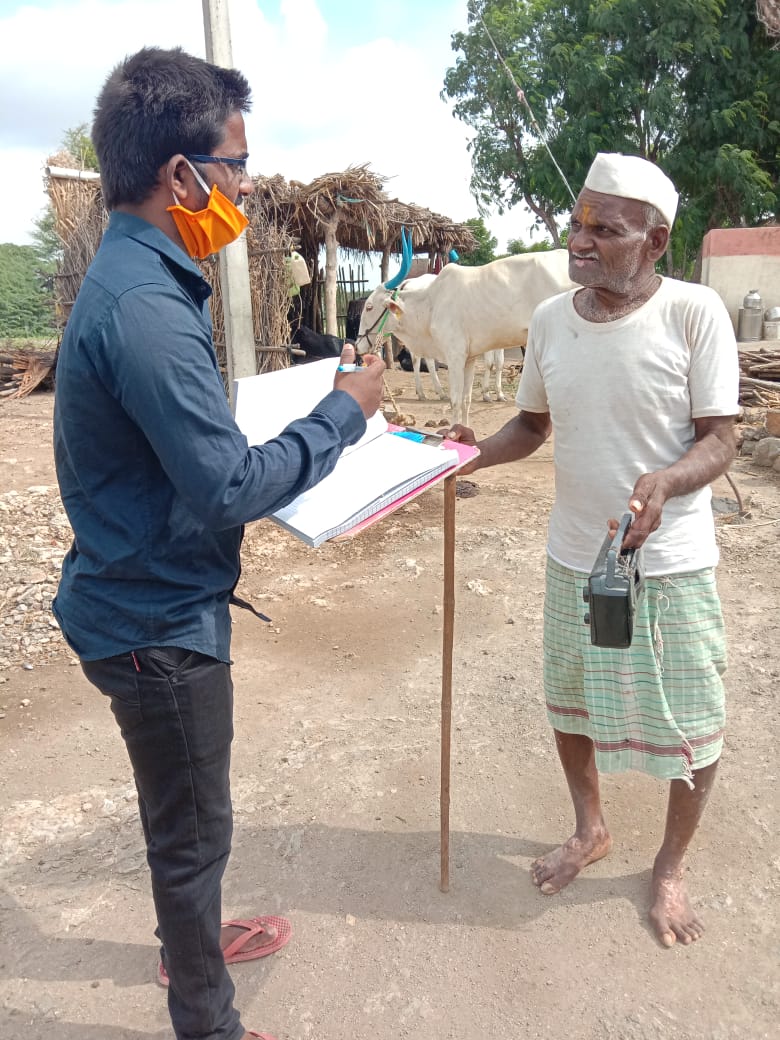
Design a site like this with WordPress.com
Get started