Types of Camera Shot Focus
THE VIEWER’S POINT OF ATTENTION
- Rack Focus / Focus Pull
- Shallow Focus
- Deep Focus
- Tilt-Shift
- Soft Focus
- Split Diopter.
- Cinema and television give the director an uncanny ability to control the audience’s vision. You can shift and change points of view as people learn new information, move locations, or switch perspectives.
What is depth of field?
Depth of field (DOF) is the term used to describe the size of the area in your image where objects appear acceptably sharp. The area in question is known as the field, and the size (in z-space) of that area is the depth of that field.
The center most point of the field is known as the point of focus. The imaginary two dimensional plane that extends from that point is known as the plane of focus. And any part of your image that falls directly on this plane is officially in focus.There are various types of camera focus to choose from, each with their own unique storytelling properties. Here’s a video breakdown of each type with examples of how they enhance the visual storytelling.Here is a shot list with all the types of camera shot focus:
Plan focus changes on your shot list
Filmmakers often want to direct attention around different parts of the scene. To do this, you need to decide on the angle of shot, camera movements, and any special equipment needed to pull it off.
CAMERA SHOTS FOCUS TYPES
Rack Focus vs. Focus Pull
Manipulating focus is another way of communicating with your camera shots. The vast majority of films you watch will keep their subjects in focus 95% of the time, with the odd slip up here and there.
The first assistant cameraman (or “First AC”) will pull focus to make sure that the subject stays within the acceptable focus range while they move to various depths within the frame.
A rack focus is an emphasized focus pull, where the acceptable focus range is intentionally shifted from one subject to another. This is an aggressive use of focus as a story telling device:
Focus Pull = Passive vs. Rack Focus = Aggressive
Now, this doesn’t mean that pulling focus is easy, and in fact it is much harder to maintain focus by making micro adjustments vs setting up a rack focus on a set mark. It’s just a matter of the viewer taking notice.
TYPES OF CAMERA SHOT FOCUS
Shallow Focus Shot (Shallow DOF)
In shallow focus shots, your subject is in crisp focus while the foreground and background scenery is out of focus. This limits your depth of field to create emphasis on your subject.
Deep Focus Shot
In a deep focus shot, everything in your frame is in focus. This is when you need your audience to feel the scenery or particular scene elements.
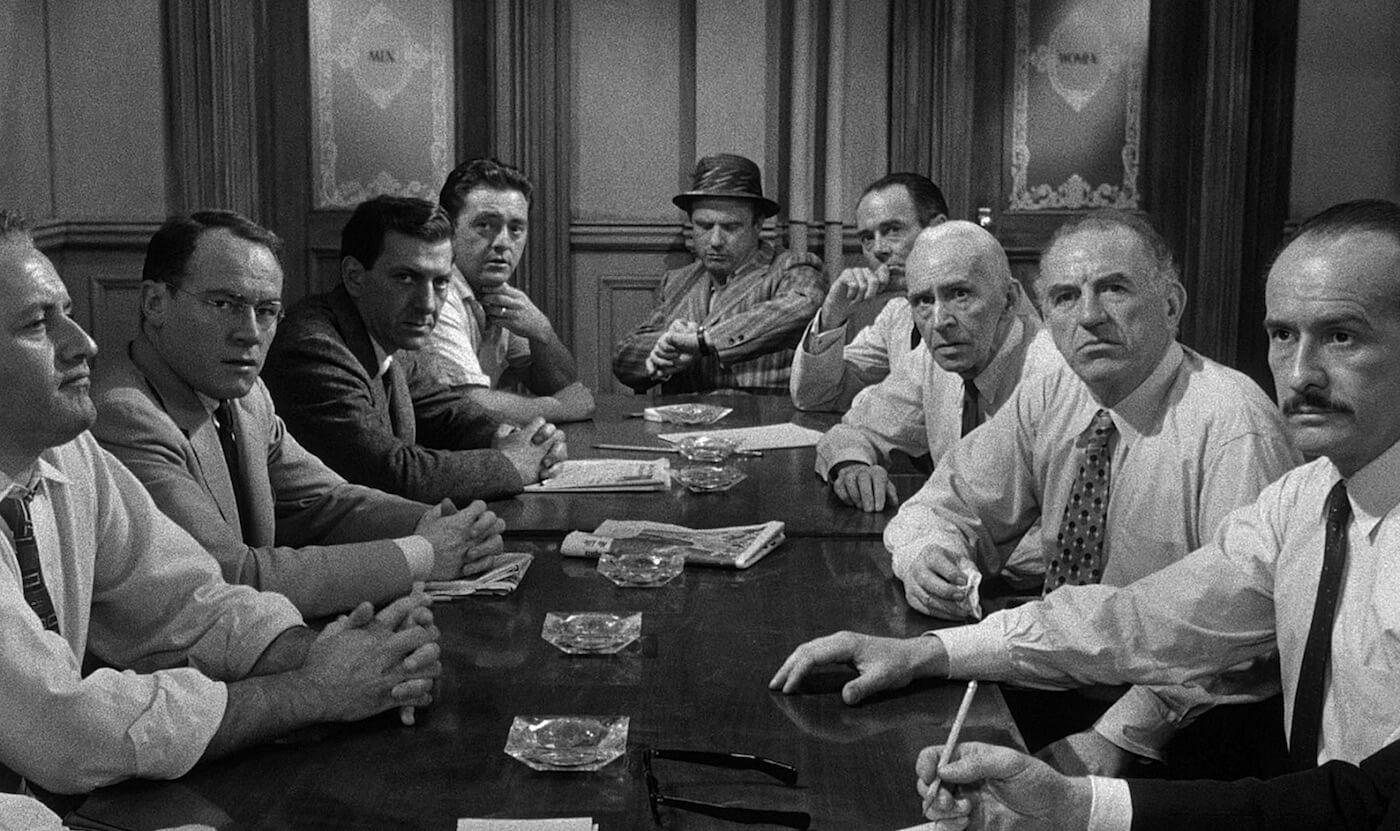
Tilt-Shift Shot
A tilt-shift lens rotates perspective within the lens and emulates selective focus. It can make parts of your image appear in sharp focus while others are out of focus.
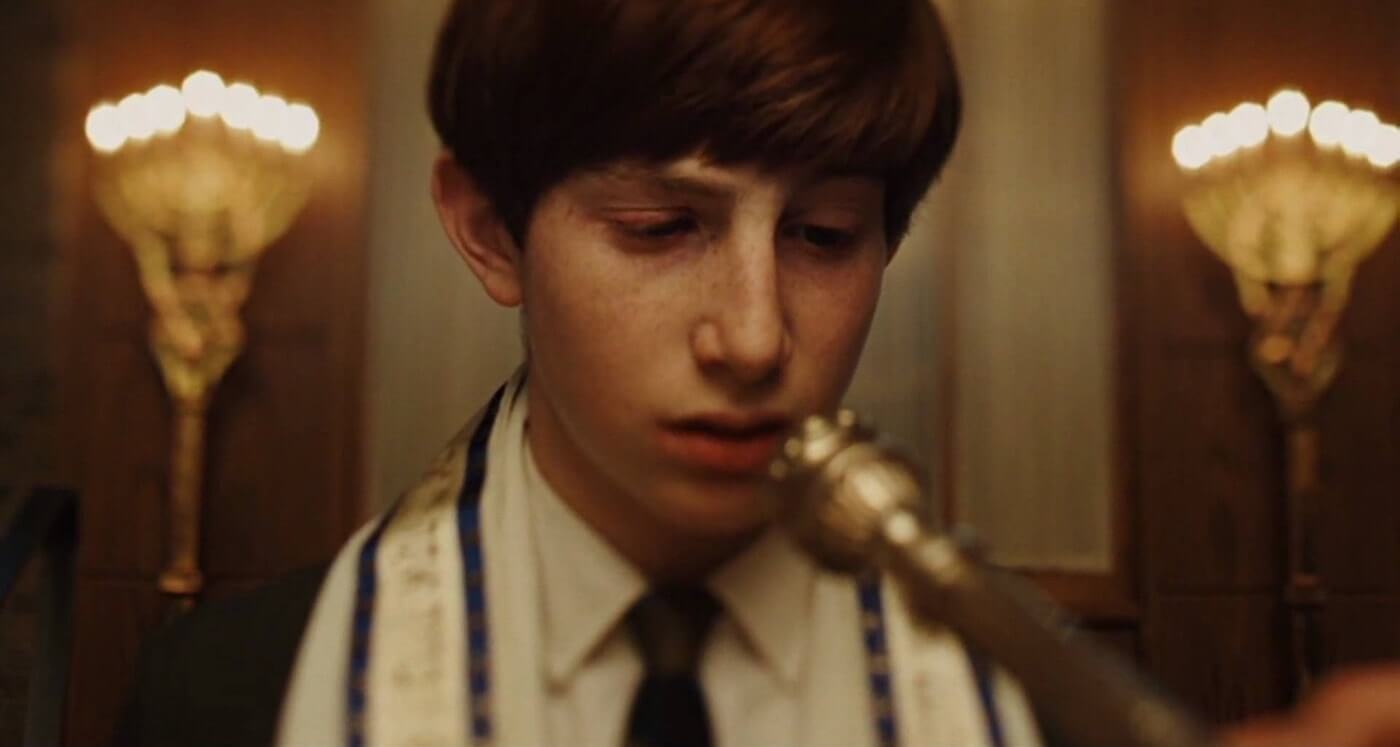
Film Shots Example: A tilt-shift lens captures a trippy bar mitzvah in A Serious Man
Here’s another tilt-shift shot example from The Assassination of Jesse James by the Coward Robert Ford:
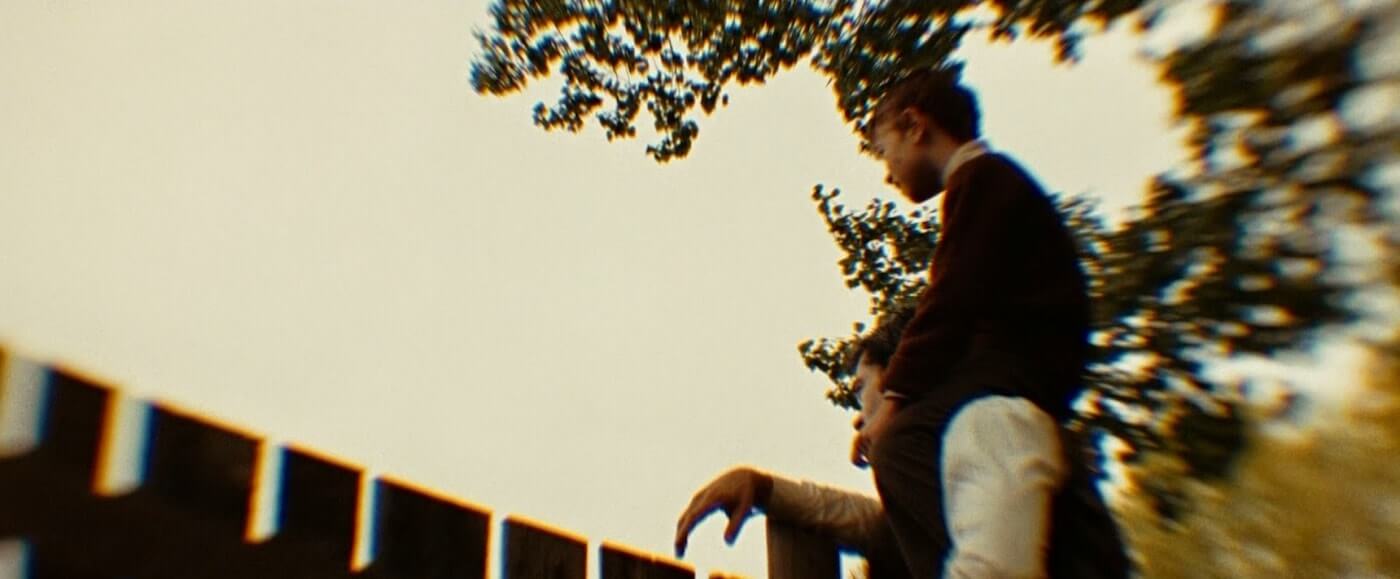
Film Shots Example: A tilt-shift lens creates dreamy distortion
TYPES OF CAMERA FOCUS
Soft focus
Whereas deep focus keeps everything in focus, and shallow focus keeps something in focus, soft focus shots keep nothing in 100% sharp focus. This is caused by either a flaw in the lens itself or through special filters.
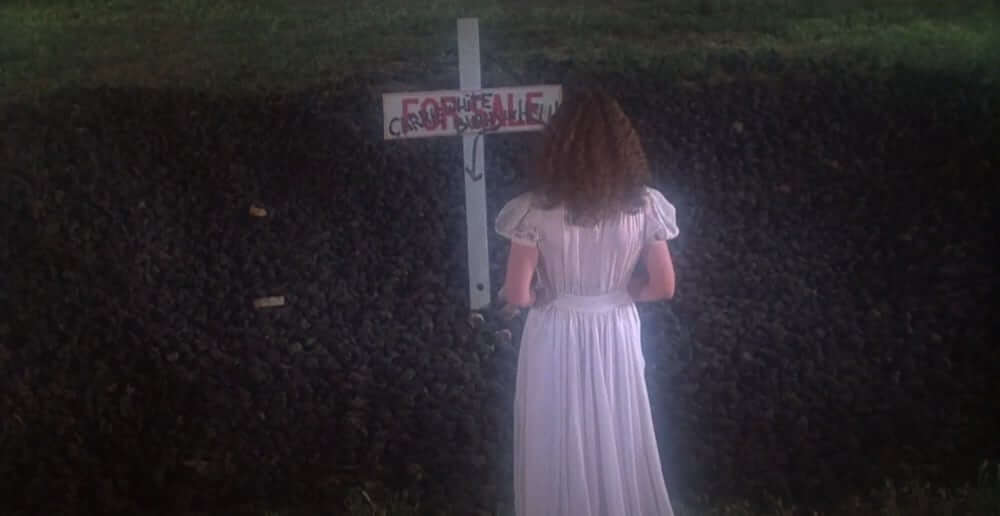
That Soft Focus Glow in Brian De Palma’s Carrie
Soft focus is perfect when filming a dream or memory — the glow around everything is both wistful and slightly unreal.
TWO PLANES OF CAMERA FOCUS
Split Diopter
A split diopter is an additional lens element that allows for two simultaneous focal lengths. In other words, you can achieve shallow focus in the foreground AND in the background, while the middle ground remains out of focus.
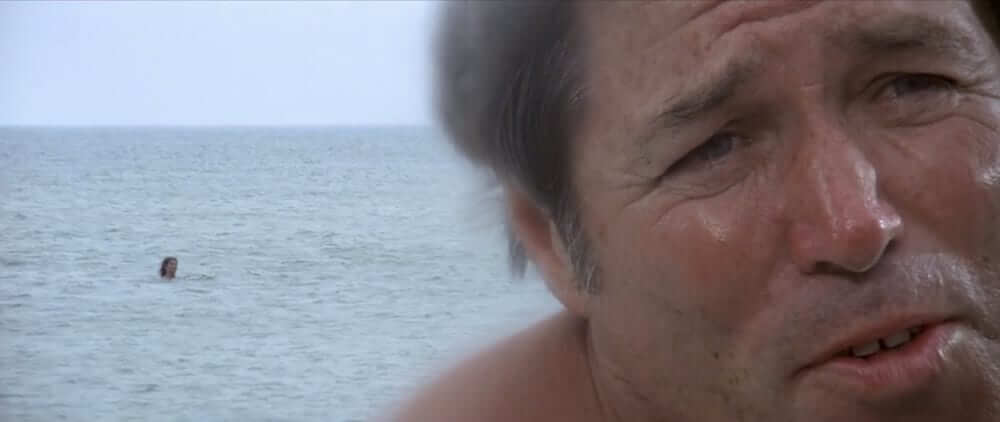
Split Diopter Shot in Jaws
This is a highly stylized shot and tends to draw attention to itself because it is “unnatural.” The human eye can see in deep or shallow focus but not both at the same time, which is why this type of camera shot should used with caution.
Blogger-Akash Shinde😍 (Assistant Director)
Student of Journalism and mass communication.
 Migrant Worker